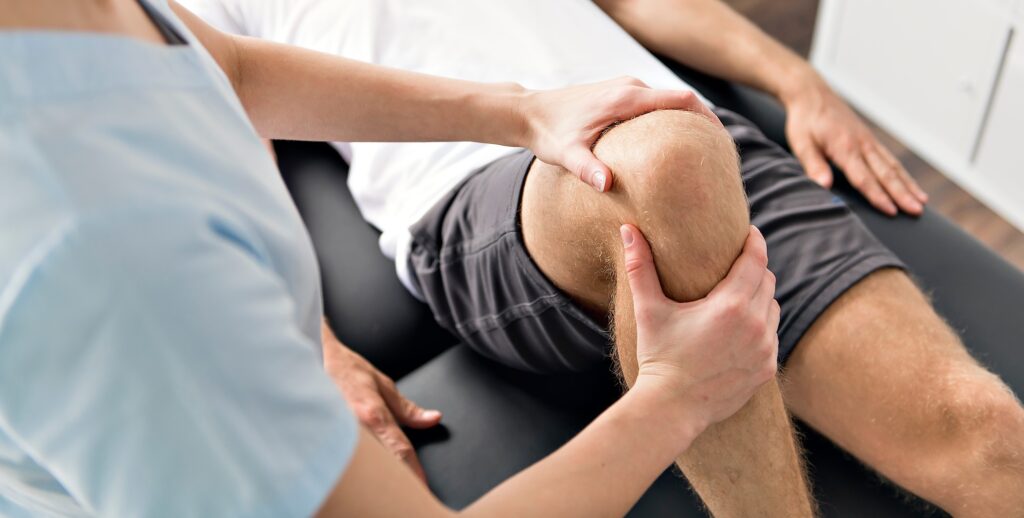
When To Use Cold Therapy

For many types of injuries, doctors will tell you to either use heat therapy, cold therapy or a combination of the two. It can become very confusing when you are trying to remember which is the best option based on the injury or ailment. These are the most common instances when you should be using cold therapy.

When Cold Therapy Should Generally Be Used

Ice is a great therapy to be used for injuries. This is because the cold will narrow your blood vessels. In turn, this results in preventing a lot of blood from accumulating at the injury site. By preventing this from happening, it will also reduce inflammation and swelling. When there is excess inflammation and swelling, you can also delay the healing process so ice and cold therapy can help speed up your healing as well. When used with elevation, you can further reduce swelling.

What is RICE?

If you have been told to use cold therapy, you have also likely been told to utilize the RICE method. RICE stands for rest, ice, compression and elevation. You should use this kind of treatment for approximately 48 to 72 hours after the injury so you can ease some pain and also reduce the possibility of secondary tissue damage. When using the RICE method, and any other time you want to use cold therapy, you will only want to use ice for 20 minutes every hour. If you use it for longer, you can cause damage to your skin and even run the risk of getting frostbite. This is also why it is important to avoid direct exposure by using a cloth or towel between the ice and your skin.

If you have an injury and would like to get some medical help, be sure to reach out to your Jacksonville orthopedics at Southeast Orthopedic Specialists.

What Is an Orthopedic Specialist and How Can They Help You?

If you’re experiencing any kind of joint or back pain, you might be wondering who to turn to. An orthopedic specialist is a medical doctor who focuses on the health of your bones, joints, ligaments, tendons, and muscles. From nagging back pain to a sudden sports injury on the sunny coast of Florida, these specialists can diagnose the root cause of your pain and create a personalized treatment plan to get you back to your life. Your path to recovery could involve physical therapy, advanced non-surgical treatments, or surgery.

Physiotherapy patients receive expert care by our specialists at Southeast Orthopedics Specialists.
A Patient at the physiotherapy doing physical exercises with his therapist

For residents of Jacksonville, St. Augustine, and across Northeast Florida, understanding what to expect from an orthopedic visit can be the first step toward relief.

What Does an Orthopedic Specialist Do?

An orthopedic specialist, or orthopedist, is an expert in diagnosing and treating a wide range of musculoskeletal issues. This includes everything from chronic conditions like arthritis to acute injuries such as fractures or ligament tears.

Your first visit will typically involve a thorough evaluation. The specialist will ask detailed questions about your pain, your medical history, and your lifestyle. They may also perform a physical exam and order imaging tests like X-rays or an MRI to get a clear picture of what’s happening inside your body. Common issues treated by orthopedic specialists include:

In a region like Northeast Florida, where an active lifestyle is common, from golfing in Ponte Vedra to surfing in St. Augustine, sports injuries are a frequent reason to see an orthopedic specialist.

A Modern Approach to Orthopedic Treatment

The field of orthopedics has advanced significantly since 2017. While surgery is sometimes necessary, orthopedic specialists will often start with non-surgical treatments to help you heal. Seeing an orthopedist doesn’t automatically mean you’ll need an operation.

Your personalized treatment plan will be based on your specific injury, your health, and your goals. Some of the innovative and effective treatment options available today include:

  • Physical Therapy and Exercise: A cornerstone of recovery, physical therapy involves targeted exercises to strengthen muscles, improve flexibility, and restore movement. Many orthopedic practices in the Jacksonville area offer on-site physical therapy for a seamless recovery experience.

  • Advanced Injections: Corticosteroid injections can reduce inflammation and pain. Another option is viscosupplementation, where hyaluronic acid is injected into a joint like the knee to improve lubrication and cushioning.

  • Regenerative Medicine: This cutting-edge field uses your body’s own healing abilities. Platelet-rich plasma (PRP) therapy and stem cell therapy are regenerative treatments that can help repair damaged tissues and may be an alternative to surgery for some conditions.

  • Bracing and Orthotics: Custom devices like braces or shoe inserts can provide support, protect injured areas, and improve alignment to relieve pain.

  • Medication: Your specialist may prescribe anti-inflammatory medications or muscle relaxers to manage pain and aid in your recovery.

  • Minimally Invasive Surgery: If surgery is the best option, orthopedic surgeons now use advanced, minimally invasive techniques. Procedures like arthroscopy use small incisions and a camera to diagnose and treat joint problems, often leading to faster recovery times.

  • Robotic-Assisted Surgery: For procedures like joint replacements, surgeons may use robotic technology to enhance precision and accuracy, leading to better outcomes for patients.

  • 3D Printing: This technology allows for the creation of custom implants and surgical guides tailored to a patient’s unique anatomy.

Finding Orthopedic Care in Jacksonville and St. Augustine

If you’re looking for expert orthopedic care in Northeast FloridaSoutheast Orthopedic Specialists can work with you to find the best course of treatment for your individual needs. With multiple locations, including in Jacksonville and a growing presence in St. Augustine, they offer a comprehensive range of services from diagnostics to rehabilitation. Their team of board-certified physicians covers every orthopedic and spine specialty, utilizing the latest technologies to provide top-quality care.

Childhood Scoliosis Symptoms & Warning Signs

When an individual has unnatural curving and rotating of the spinal column, he or she has a spinal deformity that is referred to as scoliosis. According to the National Scoliosis Foundation, approximately 7 million people in the United States have scoliosis.

Understanding Scoliosis

A normal spinal column has curves located in the lower portion of the back and in the upper portion of the back. On the other hand, when an individual has scoliosis, his or her spine curves in other areas as well. On average, scoliosis detection occurs at some point between the ages of 10 and 15. This spinal deformity affects males and females equally: However, females with scoliosis are eight times more likely to need treatment as the disorder progresses.

Symptoms and Warning Signs

Since scoliosis is seldom painful during the formative years, scoliosis may go unnoticed for quite some time. Consequently, parents need to know what signs may indicate that their child has scoliosis.

Once your child turns 8 years old, you should watch for the signs listed below:

  • An uneven waist
  • A tendency to lean to one side
  • Uneven shoulders
  • Back pain
  • Hips that appear to be higher than would be expected
  • Excessive tiredness/Fatigue
  • Protruding shoulder Blade(s)
  • An abnormal curvature(s) in the spinal column
  • His or her head is not centered properly (it should be centered directly above the pelvis)

Although there is no cure for scoliosis, there are treatments designed to disrupt the progression of the curve. If left untreated, the scoliosis curve may worsen and the spine itself will twist or rotate.

The Importance of Monitoring Spinal Changes

Although the majority of scoliosis cases will not require active treatment, monitoring spinal changes through periodic examinations and x-rays is vital. If changes are evident, one of the orthopedic doctors at Southeast Orthopedic Specialists will determine which treatment will provide your child with the best possible outcome. Early detection of changes to the spine may allow for successful treatment using just a brace.

Successful brace treatment requires:

  • Early detection of spinal changes while the child is still growing
  • Periodic examinations by an orthopedic surgeon
  • A mild to moderate curvature
  • A supportive family
  • A cooperative child
  • A brace that fits the child well and is replaced promptly once the child outgrows it
  • A continuance of normal activities (exercising and dancing, etc.) without the use of the brace: As permitted by your child’s orthopedic surgeon

The orthopedic surgeons at Southeast Orthopedic Specialists have been treating children with scoliosis for years. With early detection, we can usually treat a child who has a mild to moderate curvature with a custom-designed brace. If you are searching for an experienced, board-certified orthopedic doctor, please contact us today at (904) 634-0640. You can also use our online contact form by clicking here. For the convenience of our patients, we have six locations throughout Southeast Florida.

Swimmer Injuries: Tips for Preventing Torn Rotator Cuffs

The shoulder is a very mobile joint and needs to be controlled by the ligaments and muscles that surround the joint. Poor stroke technique, previous shoulder injury, over-training and weakness can lead both to being overworked. If this continues, injuries such as rotator cuff impingement can occur and torn rotator cuff can occur. Here are some tips for preventing torn rotator cuffs. It’s really an injury that you want to avoid.

Preventing Torn Rotator Cuffs

  • Tip #1 – Early injury protection is important in preventing torn rotator cuffs. Rest, ice, compression and elevation should be the initial treatment with any soft tissue injury. Also, the movement that provoked the shoulder pain should be avoided. Ice can reduce pain and swelling, and taping will help to support the rotator cuff. Massage or dry needling may assist during initial injury.
  • Tip #2 – Overuse is one of the main causes of rotator cuff injuries. It’s important not to perform exercises before swimming that cause instability and excess movement which will only fatigue the stabilizing muscles and increase the risk of rotator cuff injury.
  • Tip #3 – Don’t stretch. Stretching the shoulder for further range of motion stretches the stabilizers and impairs its ability to sense joint position. This can cause tissue breakdown and injury.
  • Tip #4 – Swimmers perform excess overhead motions. It’s best to improve muscle length through passive soft tissue mechanisms. This method relaxes the muscle and allows the muscle to retain appropriate muscle length. Deviations from appropriate muscle length can increase the risk of rotator cuff injury.
  • Tip #5 – Make sure you know how to sense your shoulder position at different amounts of range of motion. It’s best to learn the different positions out of the water. This is mandatory for shoulder injury protection, including preventing torn rotator cuffs.

Southeast Orthopedic Specialists physicians are specialists in sports medicine. Sub-specialties include physical therapy, rotator cuff surgery and surgery of musculoskeletal conditions. They perform the latest surgical techniques. If you’ve incurred a rotator cuff injury, call them for an appointment for an accurate diagnosis and appropriate treatment.

The amount of shoulder injuries in swimming is unfortunate. Realistic and smart injury prevention programs, not isolated to the rotator cuff muscles should always be in place. Injury prevention programs are key to preventing shoulder injuries.

Best Low-Impact Sports for a Better Physique


Low Impact Sports

There are plenty of low-impact sports that will help you stay injury free while giving you a good physique. Basically, any physical sport with minimal wear and trauma to weight-bearing joints is considered a low-impact sport. Here’s a list of some low-impact sports to incorporate into your fitness routine

Swimming

The buoyancy of the water counteracts the force of gravity in swimming and makes it a perfect lo
w-impact sport. It’s a great way to burn calories. Just swimming for an hour burns 550 calories. Over two thirds of the body’s muscular system is worked when swimming. This includes the arms, legs, lower, and upper body. Little effort is needed to overcome water resistance, and it tones muscles. Plus, it strengthens joints, improves breathing and enhances general fitness.

Horseback Riding

Although you might think the horse does all the work when horseback riding, it’s just not true. You really need some genuine physical effort to keep up with the horse’s movements. Riding means that you’ll be developing leg and core muscles along with general fitness.

Cycling

Whether your tooling around the neighborhood or out on a bike trail, cycling will give you a hardcore workout without stressing your body. Just be sure to wear a helmet.

Rowing

Whether you’re on a local lake or a flat-water river or using a rowing machine in a gym, rowing works all the big muscle groups. It’s ideal for strengthening your abs and lower back. Get a full-body workout and a great looking physique with this sport.

Cross Country Skiing

With cross country skiing, you can get an all-over workout that involves every major muscle group. And it doesn’t over-stress any one muscle group. Plus, it’s a sport that burns huge amounts of calories. This is a great activity to add to your winter travel itinerary.

Southeast Orthopedic Specialists focus on sports medicine as well as physical medicine and rehabilitation. If you’re suffering from a sports injury, schedule a visit with us
today.

Sprained Ankle Recovery Time & Treatment

A sprained ankle occurs when the ligaments supporting the ankle become overstretched or torn. An ankle sprain can range anywhere from mild to severe. The grade of an ankle sprain depends on the amount of damage to the ligaments.

At-Home Treatment for an Ankle Sprain

Once you injure your ankle, you need to begin using the RICE protocol right away:

  • R – Rest your ankle.
  • I – Ice your ankle (up to 30 minutes, four times a day). You should never place ice directly on your skin. Be sure to wrap the ice in a towel.
  • C – Compression dressings to immobilize and support your ankle (i.e., bandage wraps).
  • E – Elevate your ankle, especially during the initial 48 hours following your injury.

You can also use over-the-counter medications like ibuprofen to control your pain and reduce inflammation.

How Your Orthopedic Doctor Determines the Grade of Your Ankle Sprain

The orthopedic surgeons at Southeast Orthopedic Specialists frequently diagnose and treat individuals who have sprained their ankles.

  • Grade 1 – If your sprain is mild, you will experience tenderness and swelling around your ankle.
  • Grade 2 – Your ankle will be tender, swollen and bruised above and below its joint.
  • Grade 3 – You will have a substantial amount of swelling around your ankle. In addition, your ankle will be very tender.

The Importance of Seeking Treatment for a Moderate to Severe Ankle Sprain

If you avoid seeking treatment for a moderate to severe sprained ankle, you are more likely to injure the ankle again at some point in the future. Recurrent ankle sprains can cause you to have long-term ankle problems. These problems may include arthritis, continued ankle pain and/or ankle instability. If you have sprained your ankle and need immediate care, contact Southeast Orthopedic Specialists at 904-394-BONE (2663). If you do not need care immediately, but you would like to make an appointment, please call (904) 634-0640 or request an appointment with our online form by clicking here.

The Three-Phase Program Orthopedic Surgeons Use to Treat Ankle Sprains

Whether you have a mild, moderate or severe ankle sprain, your orthopedic doctor will implement a three-phase program:

  • Phase 1 – Rest and protect your ankle. Use ice and elevation to reduce the swelling.
  • Phase 2Physical therapy treatments are ordered to restore your ankle’s range of motion, flexibility and strength.
  • Phase 3 – Maintenance exercises will continue with a gradual return to performing activities that do not involve the twisting or turning of your ankle. Eventually, you will be able to return to fast-paced activities that require sudden movements to the left or right (i.e., football, tennis or basketball).

Initially, some patients need to use crutches to walk. Even so, in the majority of cases, the pain and swelling subsides enough for the patient to discontinue using the crutches within 3 days. You may receive an ankle brace from your orthopedic doctor. This brace keeps your ankle stable.

How long the three-phase program lasts depends on the severity of your ankle sprain. If your sprain is mild, you may complete the entire program in as little as 2 weeks. However, treatment for a more severe ankle sprain may last from 6 to 12 weeks.

5 Minimally Invasive Surgery FAQ’s to Ask Your Spine Specialist

Minimally invasive spine surgery (MISS) is an exciting alternative to traditional spine surgery. The orthopedic surgeons at Southeast Orthopedic Specialists frequently perform MISS procedures to address a variety of issues related to the spine.

1. What is the Difference Between Minimally Invasive Spine Surgery and Traditional Spine Surgery?

Traditionally, spine surgery was performed as an ‘open surgery.’ When an open spine surgery is performed, the orthopedic surgeon creates a long incision (ranging from 5- to 6-inches) that allows him or her to view and access the area of the spine that is being addressed. Whereas an open spine surgery requires the creation of a long incision, a minimally invasive back surgery does not. In the majority of cases, patients who have MISS as opposed to open back surgery experience less pain and enjoy a faster recovery.

2. How Long Have Minimally Invasive Spine Surgery Techniques Been Used?

Ever since the ‘90s, minimally invasive back surgery techniques have been used to address issues that cause pain. MISS procedures are used to remove portions of herniated discs and/or pieces of bone that put pressure the spinal nerve(s). Minimally invasive spine surgery techniques have also been used to correct problems related to the vertebrae (small bones of the spine). Today, the orthopedic surgeons at Southeast Orthopedic Specialists are using minimally invasive back surge
ry techniques to address a wide range of issues. If you are experiencing back and/or nerve pain, call (904) 634-0640 or click here to use the online form to schedule your initial consultation.

3. What Are the Benefits of Minimally Invasive Surgery?

During an open surgery procedure, in order to view the spine, the orthopedic surgeon needs to move the back muscles over to the side. This retraction of the muscles can actually damage the soft tissue and/or injure the muscle. Furthermore, retracting the muscle usually affects areas of the patient’s anatomy that are not required to complete the surgery. Thus, causing the patient to experience additional pain. While performing a MISS, the orthopedic doctor can target the problem area directly. This allows the surgeon to treat the patient’s spinal problem with less injury to his or her normal spinal structures, including the muscles. Additional benefits include spending less time in the hospital and very little concern related to excessive bleeding (due to the shorter incisions).

4. What Should I Expect During the Recovery Phase Following My Minimally Invasive Spine Surgery?

Every patient is unique; however, the majority of patients can walk around relatively soon following their procedure. Moreover, a MISS is usually an outpatient procedure, which means patients return home on the same day of their surgery. Within two weeks, you should be able to return to performing light physical activities. Depending on the spinal issue that was addressed during your surgery and your overall health, you may fully recover in as little as six weeks.

5. Will I Need to Have Physical Therapy?

Yes, by performing physical therapy exercises that target the part of the spine that was addressed during surgery, you increase the blood flow to that particular area. This blood flow increase assists your body as it heals.

What is Emergency Orthopedic Medicine?

Any type of injury involving the bone or the structures surrounding can be quite serious. While a sprained ankle or pulled tendon. may not require immediate care, there can be certain emergencies that do. In addition, some cases may not be pressing in the sense that they are dangerous they may simply cause much pain and require quick attention. That’s why emergency orthopedic medicine is so important.

(more…)

What to Ask your Doctor Before Hip Replacement Surgery

When agriculture spraying technician Sammy Burch began having intense pain in her right hip, she just thought she had thrown her hip out and could easily get the problem fixed with a visit to the chiropractor. But when her chiropractor saw her, he recognized there were deeper problems and sent her to an orthopedic specialist. For a woman whose work was intensely physical, Burch was all about finding out what this diagnosis meant to her career in agriculture.

Little did she know, she was headed for a full hip replacement and with the dizzying amount of questions she had, she says now, she wished she’d have had a guide on this trip.

If you are finding yourself in the same predicament, you might feel anxious and unsure about many things. For this reason, we have offered up a list of questions that might calm you a little bit when your Jacksonville orthopedic healthcare professional or sports medicine physician visits with you and answers them.

(more…)

Close
Close

Schedule an Appointment

Loading...
Get the Care You Need, When You Need It.

You now have the ability to schedule an appointment online any time with our orthopedic surgeons and specialists. Our intelligent system connects you to the right doctor in the right setting at the right time. Schedule your appointment online above!
*Providers will be recommended based on specialty and best availability. If you would prefer to schedule an appointment with a provider of your choice, please call us at 904-634-0640