Southeast Orthopedic Specialists Celebrates Opening of St. Augustine Ambulatory Surgery Center (STAASC)

St. Augustine, Fla. (March 9, 2026) – Southeast Orthopedic Specialists (SOS), in partnership with Ascension St. Vincent’s, celebrated the opening of the new St. Augustine Ambulatory Surgery Center (STAASC) last week with community and provider events highlighting expanded access to advanced outpatient orthopedic care in St. Johns County. 


Located at 45 Groover Loop in St. Augustine, the new ambulatory surgery center is designed to provide high-quality orthopedic procedures in a specialized outpatient setting focused on efficiency, safety, and patient comfort. 

The celebration began Thursday morning with a ribbon-cutting ceremony attended by healthcare leaders, community officials, and members of the St. Johns County business community. 

Morning remarks were delivered by Dr. Paul Roettges, orthopedic surgeon at SOS; Scott Kashman, president and CEO of Ascension St. Vincent’s Riverside and interim market lead for Ascension St. Vincent’s; and Isabelle Renault, president and CEO of the St. Johns County Chamber of Commerce. 

On Thursday evening, SOS hosted a second event for physicians, providers, and families who played a role in bringing the center to life. Remarks were delivered by Donnie Romine, CEO of SOS; Dr. Paul Roettges; and Mike Shaw, chief strategy officer for Ascension.

The evening gathering recognized the collaboration among physicians, healthcare partners, and operational teams that made the project possible. 

The celebrations continued into this weekend with a community open house on Saturday, where local residents were invited to tour the new facility, meet physicians and staff, and learn more about the services available at the ASC.

The new center expands SOS’s capacity to deliver expert orthopedic procedures in a state-of-the-art environment designed to improve the patient experience and reduce surgical wait times.

Our physicians and staff are available for interviews and tours at the center. Please direct media requests to annebeth.ahrenholz@hopco.com.

### 

About Southeast Orthopedic Specialists  

Established in 2001, Southeast Orthopedic Specialists (SOS) has grown into the leader in musculoskeletal care. SOS was founded on the principle of providing high-quality, comprehensive care in the northeast Florida region. The entire spectrum of musculoskeletal healthcare services is provided to patients including orthopedic surgery, spine care, physical medicine and rehabilitation, pain management, chiropractic, and podiatry. Services including physical therapy, regenerative medicine, advanced imaging, durable medical equipment, and musculoskeletal urgent care are offered in multiple locations throughout the region. Physicians at SOS are leading experts in their field with decades of experience, including the completion of multiple fellowships and groundbreaking research. Visit www.se-ortho.com to learn more.  

About Healthcare Outcomes Performance Company (HOPCo)  

Healthcare Outcomes Performance Company (HOPCo) is the global leader in musculoskeletal (MSK) value-based care, outcomes management, and care transformation. HOPCo partners with physician practices, health systems, payors, and suppliers to implement clinically integrated models that improve quality, reduce variability, and lower the total cost of MSK care. 

Through HOPCo Digital, its advanced technology and AI platform, HOPCo is building the most comprehensive solution for practices, ambulatory surgery centers, payors, suppliers, and health systems enabling integrated, data-driven, and patient-centered care. HOPCo’s global footprint includes partnerships worldwide, with teams on the ground supporting successful implementations in both emerging and mature healthcare systems and markets. Visit www.hopco.com to learn more.  

About Ascension St. Vincent’s Ascension  

Ascension St. Vincent’s, based in Jacksonville, Florida, operates four hospitals and more than 90 other sites of care and employs more than 5,300 associates. In fiscal year 2024, Ascension St. Vincent’s provided more than $202.2 million in community benefit and other care for vulnerable persons. Ascension St. Vincent’s is a faith-based healthcare organization dedicated to transformation through innovation across the continuum of care. As one of the leading non-profit and Catholic health systems in the U.S., Ascension St. Vincent’s is committed to delivering compassionate, personalized care to all, with special attention to persons living in poverty and those most vulnerable.

The Modern Orthopedic Patient Journey at Southeast Orthopedic Specialists: What to Expect from First Visit to Full Recovery

Orthopedic care is evolving, and today’s patients expect more than just treatment for pain. They want clear communication, convenient access, and care that supports long-term mobility and quality of life. 

At Southeast Orthopedic Specialists (SOS), we take a patient-centered approach to orthopedic care, guiding individuals through every step of their journey, from their first appointment to full recovery and beyond. 

Step 1: Accessible Orthopedic Care at Southeast Orthopedic Specialists 

For many patients, the orthopedic journey begins with discomfort, limited mobility, or an injury that interrupts daily life. Whether caused by sports activity, work-related strain, or age-related wear and tear, early evaluation by an orthopedic specialist can make a meaningful difference. Modern orthopedic care prioritizes timely access to appointments, clear education about symptoms and conditions, and guidance on when to seek specialty care 

Serving communities across northern Florida, SOS is committed to making expert orthopedic care accessible and informative from the very first interaction. 

Step 2: Personalized Evaluation & Treatment Planning 

No two patients, or two injuries, are the same. That’s why modern orthopedic care focuses on personalized treatment plans tailored to each patient’s lifestyle, activity level, and health goals. 

During your evaluation, our orthopedic physicians take the time to: 

  • Identify the root cause of pain or dysfunction 
  • Review imaging and diagnostic results 
  • Discuss conservative and surgical treatment options 

For many patients, non-surgical treatments such as physical therapy, injections, or activity modification can be effective. When surgery is recommended, patients are actively involved in shared decision-making every step of the way. 

Step 3: Coordinated Orthopedic Treatment & Seamless Care 

High-quality orthopedic care depends on coordination. Today’s patient journey is supported by collaboration between orthopedic surgeons, physical therapists, imaging teams, and care coordinators. This integrated approach helps reduce delays in care, improve communication between providers, and a safer, more efficient treatment plan. 

For patients, this coordination ensures a smoother experience and allows them to focus on healing, not logistics. 

Step 4: Recovery, Rehabilitation & Long-Term Mobility 

Recovery doesn’t stop after treatment or surgery. Rehabilitation and follow-up care are critical to restoring strength, flexibility, and confidence in movement. 

Modern orthopedic care emphasizes structured physical therapy programs, ongoing progress monitoring, and education to prevent future injury. 

At SOS, we support patients throughout recovery to help them return to work, sports, and everyday activities safely and sustainably. 

Step 5: Measuring Outcomes That Matter to Patients 

Value-based orthopedic care focuses on outcomes, not just procedures. This means tracking progress based on what matters most to patients, including: 

  • Pain relief 
  • Improved mobility 
  • Ability to return to normal activities 
  • Overall quality of life 

By continually evaluating outcomes, orthopedic practices can deliver care that is effective, efficient, and aligned with patient goals, especially important for growing communities throughout northern Florida. 

Patient-Centered Orthopedic at SOS  

The modern orthopedic patient journey is built on access, communication, coordination, and measurable outcomes. At SOS, our mission is to deliver high-quality orthopedic care to all patients.  

Whether you’re seeking answers for joint pain, recovering from an injury, or exploring treatment options, our team is here to support you through every stage of your orthopedic journey. To schedule an appointment, call 904.720.4361.

Understanding Common Spring Sports Injuries, Prevention Techniques and the Role of the Musculoskeletal System

Spring sports image

The spring season mixed with warmer temperatures usually means athletes and sports. Popular activities can include soccer, tennis, baseball, softball, track and field, golf and lacrosse. 

Spring sports can foster community and encourages an active lifestyle but also requires precautions. The transition from indoor to outdoor activities can sometimes lead to injuries if proper safety measures are not followed, especially during practice. Spring athletic injuries are not uncommon so it’s important to understand simple prevention measures and the role of musculoskeletal health in sports performance. 

Common Spring Sports Injuries 

  1. Sprains and Strains

    Sprains occur when ligaments (the tissues that connect bones to each other) are stretched or torn, while strains happen when muscles or tendons (which connect muscles to bones) are overstretched or torn. Both sprains and strains are common sports-related musculoskeletal (MSK) injuries in soccer, tennis and running. These injuries often result from overexertion, improper technique or lack of proper warm-up.

  2. Ankle Injuries

    Ankle sprains are particularly prevalent in sports like soccer, lacrosse and basketball where quick changes in direction and jumping are common. These injuries can range from mild ligament stretches to complete ligament tears, causing swelling, bruising and difficulty walking. Knowing sports injury prevention methods can help minimize such risks. 

  3. Knee Injuries

    Patellar tendinitis (also known as “jumper’s knee”) and ACL (anterior cruciate ligament) tears are common knee injuries in sports such as soccer, basketball and running. These injuries can be caused by sudden, high-impact movements or improper landing mechanics. Understanding MSK injuries in sports is crucial to protect against these types of injuries.

  4. Stress Fractures

    Stress fractures, also known as small cracks in bones caused by repetitive stress are common in sports that involve a lot of running, like track and field, distance running and soccer. Stress fractures often affect weight-bearing bones in the foot. Spring sports and injury risks are heightened when athletes push themselves too hard without allowing time for proper recovery.

  5. Tennis Elbow (Lateral Epicondylitis)

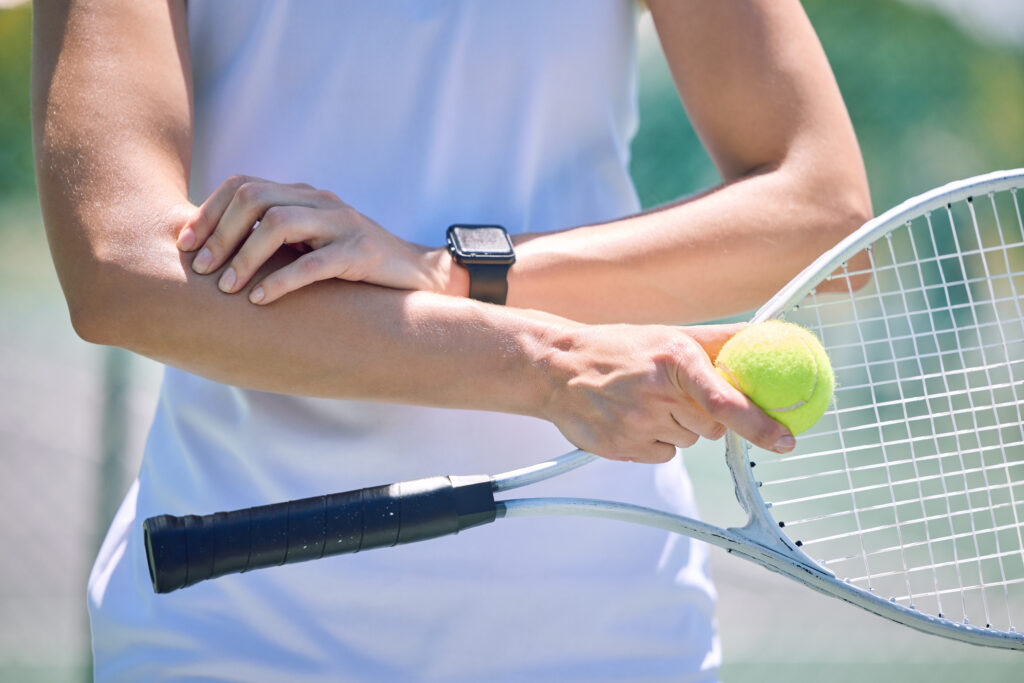
    Tennis elbow is a common overuse injury in tennis, but it can also occur in other sports or activities involving repetitive motion of the elbow. Symptoms include inflammation of the tendons on the outer part of the elbow, causing pain and weakness in the arm. Sports injuries and prevention strategies can reduce the occurrence of this condition. 

Prevention Techniques 

  1. Warm-Up and Stretching

    A proper warm-up, including dynamic stretching, prepares the body for physical activity by increasing blood flow and flexibility. Static stretching after exercise can improve long-term flexibility and range of motion, reducing the risk of injury. Incorporating sports injury prevention techniques like these can keep athletes safe. 

  2. Proper Footwear

    Wearing sport-specific shoes that provide the necessary support, cushioning and grip can help prevent injuries like ankle sprains or stress fractures. For example, soccer cleats are designed to offer stability, while running shoes are designed to absorb shock and provide proper alignment. Wearing the right shoes is a simple and effective way to help prevent MSK injuries in sports. 

  3. Strength Training

    Strengthening key muscles around vulnerable areas like the knees, ankles and shoulders can help prevent injuries and can enhance support during running and jumping activities, reducing the risk of strains and sprains.  

  4. Gradual Progression

    Another important point to highlight is the need to resist the urge to dive into intense physical activity too quickly. Whether you are running, playing tennis or engaging in another sport, gradually increasing intensity and duration allows the body to adequately adapt and prevents overuse injuries like stress fractures and tendinitis 

  5. Proper Technique

    Using proper technique in spring sports can reduce repetitive motion injuries. A coach or trainer can help identify areas where an athlete’s technique may need adjustment, especially for high-impact sports.  

  6. Rest and Recovery

    Resting to prevent injuries and ensuring adequate recovery time are essential for protecting musculoskeletal health. Injury prevention through rest also plays a critical role in supporting long-term wellness and performance. Incorporating effective recovery strategies for athletes, such as rest days and injury prevention, significantly reduces the risk of overuse injuries. Recovery in athletic training is just as vital as the physical activity itself. 

Conclusion 

Spring sports offer an opportunity for physical activity but also come with the risk of injury. By understanding common injuries, following sports injury prevention techniques and respecting the role of the MSK system in sports, athletes can reduce the risk of harm and enjoy their favorite activities safely.  

Southeast Orthopedic Specialists

The physicians and specialists at Southeast Orthopedic Specialists are experts in all aspects of orthopedic and spine care. No matter the type of treatment you require, the team at Southeast Orthopedic Specialists is ready to serve you at one of their six locations across Duval, St. Johns and Clay counties. If you find yourself experiencing any type of pain related to an orthopedic or spine condition, call Southeast Orthopedic Specialists at 904.634.0640 or schedule an appointment online.

Southeast Orthopedic Specialists welcomes two renowned surgeons to its team

Dr. Jennifer Madden and Dr. Richard Lance Snyder join Southeast Orthopedic Specialists to enhance hand, upper extremity and sports medicine care  

JACKSONVILLE  (April 2, 2025) – Two orthopedic surgeons from Jacksonville Orthopaedic Institute, Dr. Jennifer Madden and Dr. Richard Lance Snyder, have recently joined Southeast Orthopedic Specialists (SOS). With their combined expertise in hand and upper extremity surgery, as well as sports medicine, they bring a wealth of experience to the SOS team. 

Dr. Madden headshot

Dr. Madden is a board-certified, fellowship-trained orthopedic surgeon specializing in Hand & Microvascular Surgery and Upper Extremity Reconstruction. Dr. Madden earned her medical degree from Boston University School of Medicine, where she received several prestigious honors, including the Haffenreffer House Staff Recognition Award, the AMWA Outstanding Women in Medicine Award and the Diane Radkowski Award. She completed fellowships at the Mayo Clinic and Brown University, specializing in trauma and hand surgery.  

Dr. Madden’s work has been published in numerous peer-reviewed journals and presented at prestigious conferences, including the American Academy of Orthopaedic Surgeons (AAOS). Passionate about advancing orthopedic care, she is also dedicated to mentoring the next generation of surgeons. Her commitment to education and innovation has established her as a key figure in the field, where she continues to make a significant impact on patient outcomes. 

Dr. Snyder HeadshotDr. Snyder is a board-certified, fellowship-trained orthopedic surgeon specializing in sports medicine with over 25 years of experience. He earned his medical degree from the University of Oklahoma and completed residency at the University of Kansas. Dr. Snyder further advanced his expertise through a shoulder and sports medicine fellowship at the University of Colorado and a spine surgery fellowship at the University of Southern California. 

Recognized as the 2022 Northeast Florida Sports Physician of the Year, Dr. Snyder has a long history of serving as the team doctor for several professional sports teams, including the Jacksonville Jumbo Shrimp, University of Kansas Jayhawks, Kansas City Explorers and Kansas City Royals. He has also worked with a variety of MLB teams and players, earning him a well-deserved reputation in sports medicine. 

Dr. Snyder is a former high school and college All-American athlete and played football at the University of Kansas. His personal experience as an athlete has deepened his passion for treating shoulder and elbow injuries.  

“We are thrilled to welcome both Dr. Madden and Dr. Snyder to our practice,” said Donnie Romine, CEO of Southeast Orthopedic Specialists. “Their extensive backgrounds, dedication to patient care and passion for advancing orthopedic medicine make them invaluable additions to our team. We look forward to the positive impact they will have on our patients’ outcomes.” 

With the addition of Dr. Madden and Dr. Snyder, Southeast Orthopedic Specialists continues its commitment to providing exceptional orthopedic care to patients, combining cutting-edge treatment with compassionate service. 

About Southeast Orthopedic Specialists  
Established in 2001, Southeast Orthopedic Specialists has grown into the regional leader in musculoskeletal care. Southeast Orthopedic Specialists was founded on the principle of providing high-quality, comprehensive care in the Northeast Florida region. The entire spectrum of musculoskeletal healthcare services is provided to patients including orthopedic surgery, spine care, physical medicine and rehabilitation, pain management, chiropractic and podiatry. Services including physical therapy, regenerative medicine, advanced imaging, durable medical equipment and musculoskeletal urgent care are offered in multiple locations throughout the region. Physicians at Southeast Orthopedic Specialists are leading experts in their field with decades of experience, including the completion of multiple fellowships and groundbreaking research. Visit www.se-ortho.com to learn more.  

About Healthcare Outcomes Performance Company (HOPCo)   
Healthcare Outcomes Performance Company (HOPCo) is the national leader of integrated musculoskeletal value-based health outcomes management, practice management and health system service line management. This includes comprehensive expertise across all MSK specialties, including orthopedics, spine, neurosurgery, hand, pain management, rehabilitation and neurology. HOPCo’s integrated care, analytics and facilities development and management platforms have proven to increase the quality of patient care while reliably reducing the total cost of care across the care continuum for practices, health systems and payors alike. HOPCo’s affiliated payors, practices and health systems successfully participate in highly efficient value-based contracting (bundled payments, chronic episodes of care initiatives, population health programs and other advanced risk-based arrangements) utilizing HOPCo’s proprietary platforms, IT solutions, integrated analytics and evidence-based comprehensive care pathways. Visit https://hopco.com to learn more.   

### 

Media Contact: 
Annebeth Ahrenholz 
Communications Specialist 
Healthcare Outcomes Performance Company (HOPCo) 
623.241.8779 
Annebeth.Ahrenholz@hopco.com 

What’s Causing the Pain in My Knee?

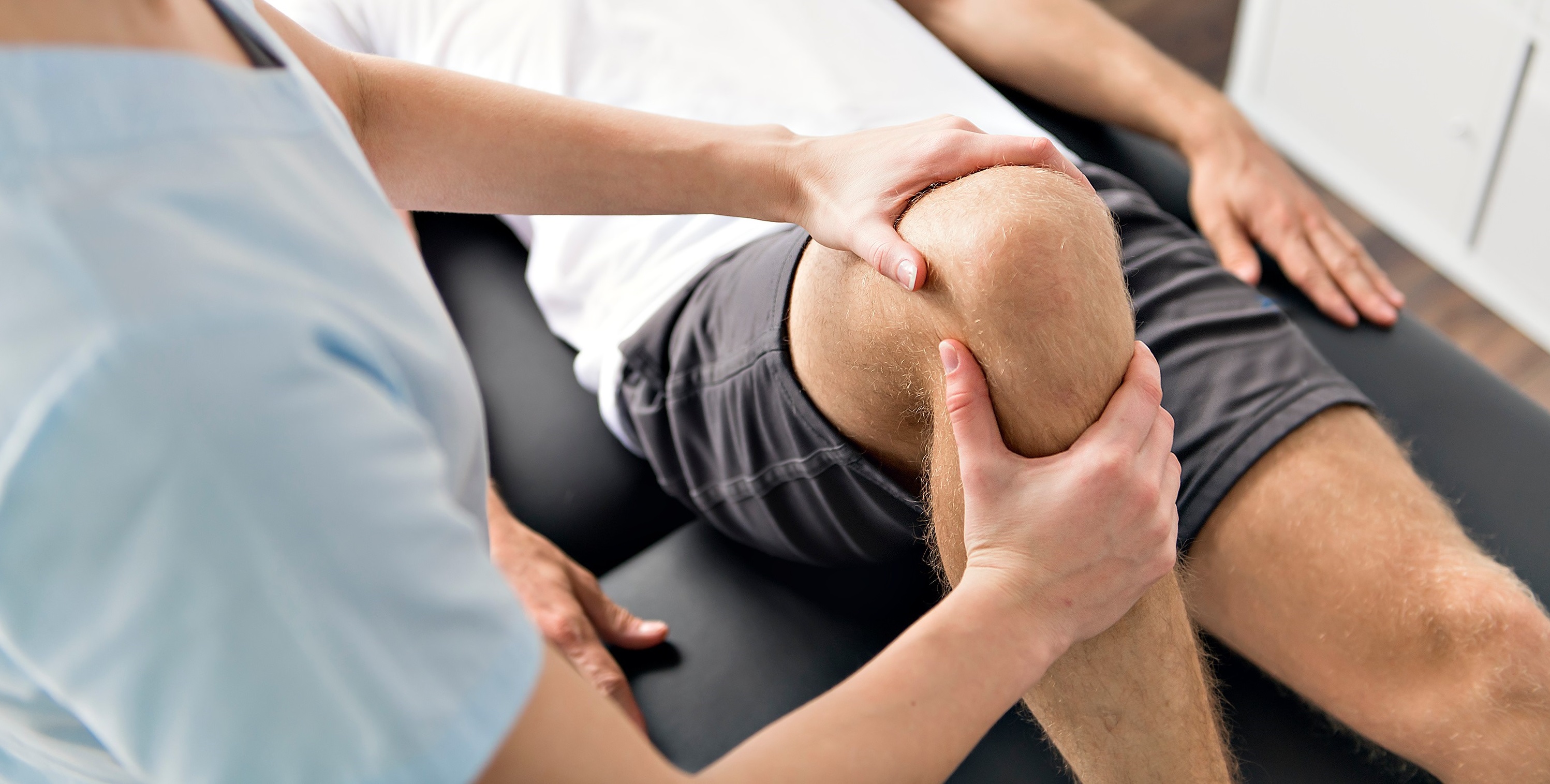
Knee pain shows no preference in a person’s age or who it affects. People of all age ranges can experience mild to severe discomfort in their knees and it is the most common orthopedic complaint that patients bring to their doctors.  The real question is, why is this pain happening?

Discomfort in the knees can come from a variety of injuries or even an underlying medical condition.  Depending on the type of injury that you have sustained, the symptoms and signs that you notice may vary.  We have listed some of the most common symptoms that those with a knee injury might have:

  • Swelling and stiffness
  • Redness or warmth to the touch
  • Weakness or the feeling of instability
  • Popping or crunching noises
  • Struggle to fully straighten your leg

Being active is a part of human nature and is essential to leading a fulfilling life, but injuries happen and often they affect the knees. The most common causes of knee pain are related to aging, injury or repeated stress on the knee. This means that athletes are often more susceptible to experiencing knee pain due to the increased demand on the joint due to running, jumping or quick pivoting. Daily activities such as walking, bending and lifting can also cause general wear and tear to the joints. Some common knee problems include the following:

  • An ACL Injury. The anterior cruciate ligament (ACL) is a ligament in the knee that connects the femur to the tibia. A tear in this ligament is most often seen in those who play sports that require sudden changes in direction such as basketball and soccer.
  • This is the most common type of arthritis seen in the knee. Osteoarthritis is a degenerative process where the cartilage in the joint gradually wears away. Middle-aged and older people are most affected by this problem. Joints that are affected by osteoarthritis may ache or swell while you’re active or be stiff early in the day.
  • Sprained or Strained Knee Ligaments. This is normally caused by a blow to the knee or a sudden twist involving the knee. Symptoms of a sprained or strained knee ligament can include pain, swelling, or difficulty when walking.
  • Torn Meniscus. Sometimes, a knee injury can cause the cartilage within the knee (the meniscus) to tear. The edges of those tears can get stuck in the joint and result in pain, stiffness and swelling. When your meniscus is torn, a common indicator is a “catching” sensation in the joint while you are active.
  • Knee Bursitis. Bursa are small liquid-filled sacs found in between bones and soft tissues that help to reduce frictions. Overuse, falls, or repeated bending and kneeling can irritate the bursa that is on top of your kneecap. This pain and swelling are known as Bursitis.
  • Patellar Tendinitis. When there is an inflammation in the tendon that connects the kneecap to the shin bone, you have patellar tendinitis. When you overdo an exercise, the tendons can become inflamed and sore. This is seen most in athletes, such as basketball players, whose force of hitting the ground after a jump strains their tendon.

Implementing some preventative measures such as giving yourself extra time to warm up and cool down between your exercise can save you from painful injuries.  However, knee pain can sometimes be unpredictable and unpreventable. If you are experiencing knee pain or discomfort, Dr. Sina Kasraeian at Southeast Orthopedic Specialists is dedicated to finding the right solution for you.  Schedule your appointment online today!

The Most Common Orthopedic Injuries in Football

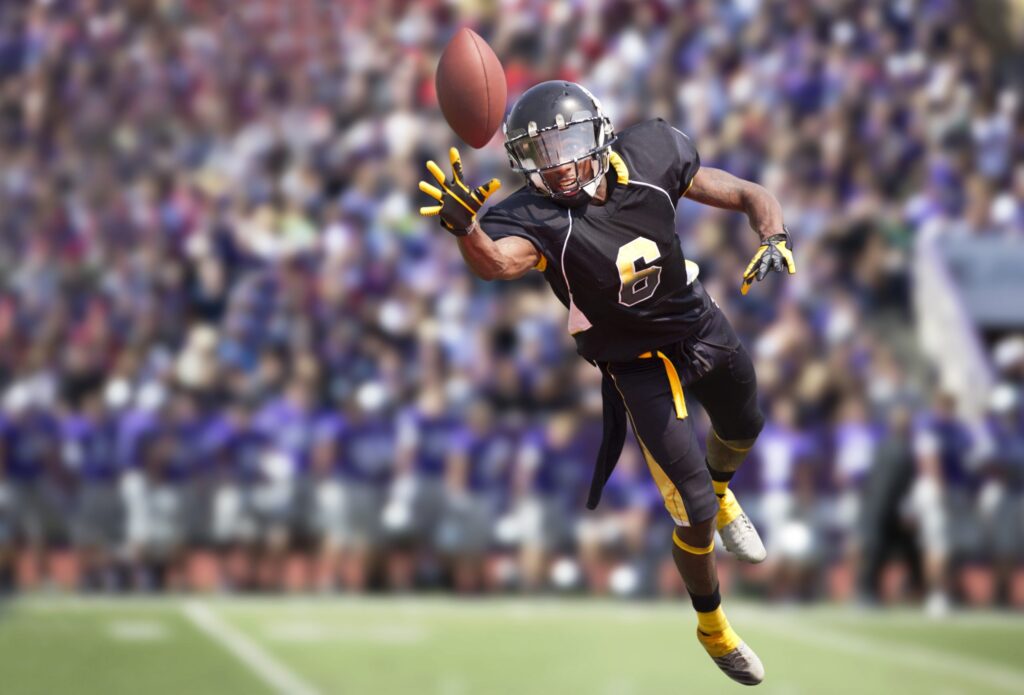
The game of football has its fair share of orthopedic injuries.

The Most Common Orthopedic Injuries in Football

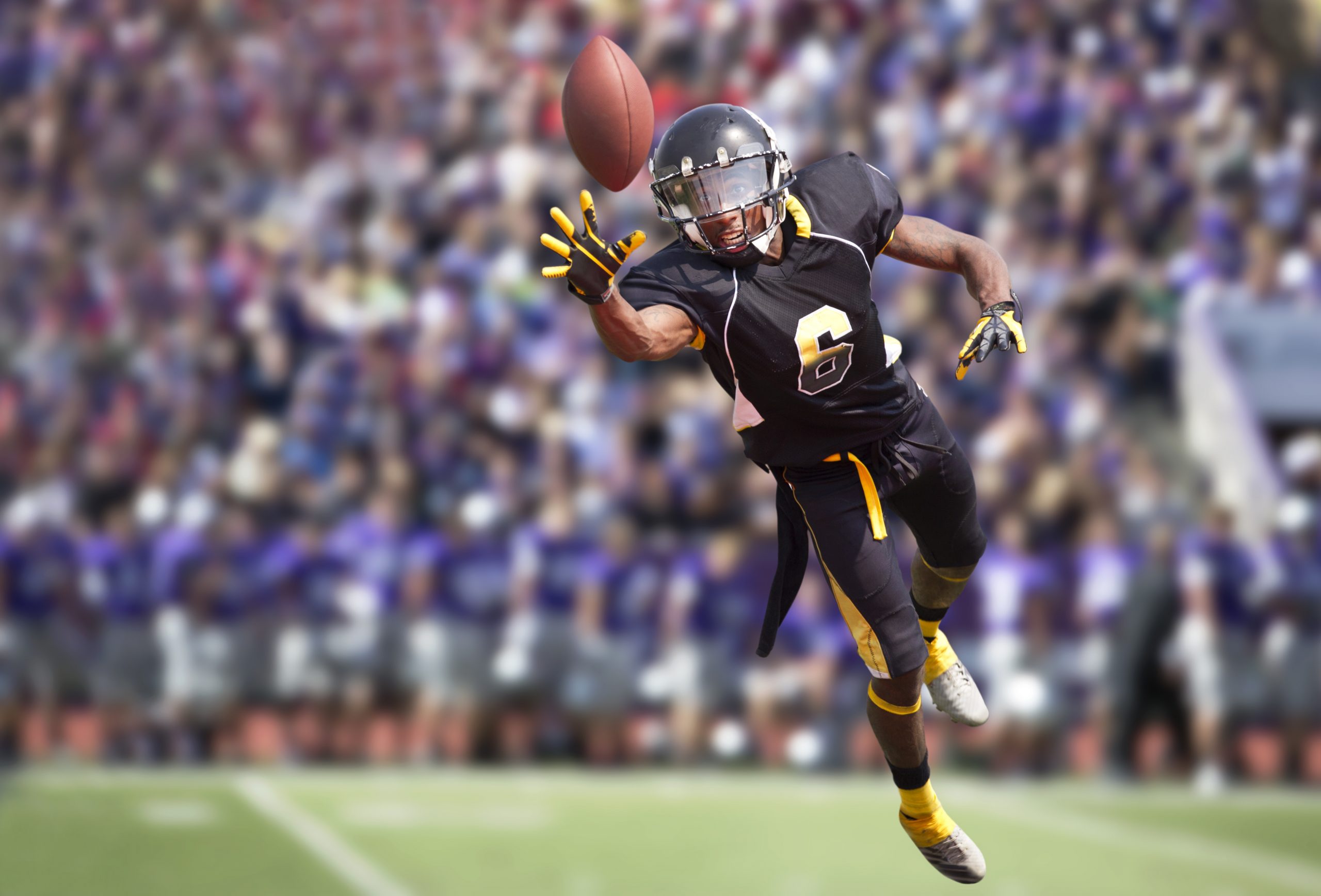
Since football season’s kicked off, our Sports Medicine Specialists at Southeast Orthopedic Specialists know that potential for injury emerges with every game and every practice. Whether you’re the athlete or a supportive spectator, here is what you should know about the most common orthopedic injuries resulting from high speeds and full contact.

Shoulder Injuries

Most football-related shoulder injuries occur when a player gets tackled to the ground. The impact of the hit or fall onto the outstretched arm can dislocate the shoulder. In more severe dislocations, the soft tissue connections around the acromioclavicular joint (AC joint), where the collarbone connects to the scapula above the shoulder, can be damaged or torn. Commonly referred to as a ‘shoulder separation,’ this injury can most often be treated without surgery, but in some instances may lead to ongoing discomfort or shoulder dysfunction with throwing activities.

Due to the repetitive overhand motion involved in throwing, quarterbacks can be at an increased risk for developing injuries related to overuse of their shoulder, including rotator cuff tears. Rotator cuff tears may be partial or complete. Although rotator cuff tears are rare in the young athlete population, a partial tear occurs when a tendon becomes frayed or damaged and a complete tear is when the tendon is torn more than 50% or is pulled completely away from the bone. However, most rotator cuff tears occur in adults and are associated with prolonged wear and tear as we age.

For more information on shoulder injuries, click here.

Knee Injuries

Knee injuries are the most common injuries in football and often occur after a sudden twist or direct blow to the knee. Two of the most common injuries are tears to the anterior cruciate ligament (ACL) and meniscus tears.

With an ACL injury, often the feeling of a “pop” is reported at the moment of injury. As one of the main stabilizing ligaments of the knee, ACL tears can lead to instability in the knee and the feeling of the knee buckling or giving out. Pain and swelling are often common signs of injury and surgery may be recommended to restore knee function, depending upon the severity of the tear.

Meniscus tears of the knee can vary widely in severity and pain and often occur alongside other knee injuries, such as an ACL tear. Each knee has two menisci, which are the specialized cartilage providing cushioning between the bones in the knee. Twisting of the knee or forceful contact can lead to the meniscus tearing. In the instance of a torn meniscus, many players report pain, swelling and the feeling of the knee catching or “locking” when standing or walking.

For more information on knee injury treatment, click here.

Foot and Ankle Injuries

An ankle sprain is the result of the ankle twisting, rolling or landing awkwardly after a jump or change in direction. The ankle joint’s ligaments stretch beyond tolerance causing a strain or small tears in the ligaments. This results in pain, swelling and limited mobility and may last for several weeks.

Another chronic football injury is Achilles tendonitis, which is caused from overuse of the band of tissue connecting the calf muscle to the heel bone. The pain usually begins as a mild ache above the heel bone but, in some advanced cases if left untreated, the tendon can become damaged and lead to a tendon rupture.

For more information on foot & ankle care, click here.

Fractures

Football players are frequently placed at higher risk of experiencing fractures than other athletes. From every catch to each tackle, players are constantly using their hands, which can result in fractured fingers. Through a tough tackle or hard fall, a player can fracture the shoulder, clavicle or pelvis—the latter known as a hip pointer. A Jones fracture in the fifth metatarsal, the long bone connecting the smallest toe to the rest of the foot, often occurs from repetitive motion, overuse or after rolling the ankle.

For more information on fracture care, click here.

Seeking Treatment

Kevin Murphy, MD, an Orthopedic Surgeon specializing in Sports Medicine at Southeast Orthopedic Specialists, serves the Jacksonville community as the team physician for various Duval and St. John’s county high schools, as well as for the Jacksonville Icemen and the University of North Florida Athletics.

Dr. Murphy emphasizes the impact made by sports medicine specialists who treat athletes seeking professional care.

“By properly diagnosing the problem, we address the root cause of a sports-related pain or injury,” Dr. Murphy said. “Seeking care from an experienced sports medicine professional will ensure players receive proper, timely treatment in order to accelerate their return to activities.”

Prevention

Heeding precautions both on and off the football field can help protect players from injury. Obtaining a pre-season physical from a Sports Medicine Specialist, performing proper stretches, warm-up and cool-down routines and wearing properly fitted protective equipment all serve as proven preventative measures. Also, staying hydrated will help minimize fatigued athletic performance, which can result in injury.

If you are concerned about football injuries, or interested in prevention strategies, seek advice from an expert. Many of the specialists at Southeast Orthopedic Specialists have experience working with sports teams of all levels, ranging from high school to the professional level, and are dedicated to getting you back in the game.

If a sports injury has sidelined you, contact Southeast Orthopedic Specialists. As a regional leader in orthopedic medicine, our specialists are committed to restoring you to an active lifestyle as quickly and safely as possible.


Preventing Golf Injuries: 5 Tips to Consider

Like most sports, golf is a fun activity that people like to indulge in. It may involve fewer activities, but the injuries are inevitable. Majority of people think that golf is a soft sport, but it has both negative and positive impacts on your body. Many golf injuries are a result of long hours swinging the ball while standing in a particular position. It causes several injuries such as lower back pain, wrist or elbow pain to mention a few. Even though the orthopedic clinic in Jacksonville, FL, offers the best treatment, you should learn the various ways of preventing golf injuries. Outlined are five tips to consider while playing golf to avoid injuries. (more…)

Important Stretches to Avoid Sports Injuries

How you treat your body every day affects your long-term health. Eating right and exercising can prolong your lifespan and prevent health complications in the future. Nearly everyone knows this to be true. But did you know that making a habit of certain healthy behaviors can prevent injuries today? Orthopedic surgeons, the experts in caring for muscles, bones, and connective tissue that you use to put your body into motion, recommend that you stretch after engaging in any active sports.

So, what do you like to play? Are you an avid amateur player of team sports like basketball or touch football? Are you a fan of outdoor sports, like mountain biking and hiking? What about extreme sports like surfing or skateboarding? Whatever your preferred sport may be, stretching keeps you healthy and prevents injuries.

Here are the top stretches that every orthopedic doctor in Jacksonville, FL, would recommend. These stretches may prevent cramps, torn muscles, and other sports-related injuries.

Standing Forward Fold

A basic stretch for your lower back and hamstrings, which can be overworked during athletic play, start this stretch by standing up straight with your feet together. Bend at the hips and try to touch your calves, ankles, or toes. As with any stretch, don’t force yourself to go past where you feel comfortable. You can actually injure yourself. Hold this stretch for up to a minute.

Runner’s Lunge

Orthopedic surgeons frequently treat knee injuries that could have been prevented with regular leg stretches. Start in a plank or push-up position. Bend one knee and bring your leg forward, placing your foot outside the hand. Straighten your arms and look forward. You should feel the extended leg stretch. Hold for a minute, then switch legs.

Hurdler’s Stretch

A great hip and leg stretch, this is a classic move that many people are taught as children. Sit on the ground with your legs in a “V” position. Bring the foot of one leg in toward your groin, or place the foot flush against the inner the of the other leg. Reach out your hands and bend at the hips toward the extended foot. If you can’t touch your toes, rest on your shin or ankle. Hold this position for a minute, making sure to take deep breaths, then switch legs and stretch the other side.

Child’s Pose

This resting position offers a gentle full-body stretch, while also calming your muscles. It’s the perfect stretch for finishing your exercise. Kneel on the floor and put your toes together so your legs make an open “V” shape. Open your knees wide enough for your torso to fit between them. Lower your torso forward to the ground, then walk your fingers straight out in front of you as far as you can. Drop your head to the floor if possible. You should feel a light stretch in your thighs, back, and shoulders.

You can prevent the need for orthopedic therapy or an orthopedic surgeon’s treatment if you perform these stretches regularly. While stretching releases lactic acid and calms the muscles, it cannot prevent all injuries. However, you should still make stretching after sports a regular practice. For more advice or to discuss any soreness or injury you may have, visit an orthopedic doctor in Jacksonville, FL. 

A Study on Banning Home Plate Collisions Suggests Less Othopedic Injury

Recently, Major League Baseball revealed plans to put a ban on home plate collisions. According to the results of recent research, banning these collisions may help protect players from serious injuries, some of which require orthopedic surgery.

About the Study

The study was published by two researchers from Wake Forest University in the International Journal of Sports Medicine. This study compared the number of injuries per play for different types of plays. The researchers discovered that an average of seven injuries occurred for every 1,000 tag outs on home plate. For plays involving throws from the outfield to second or third base, the average number of injuries was only 1.5 per 1,000 plays.
Based on this data, researchers determined that plays at home plate raised the risk of injury by more than four times. In these incidents, injuries were slightly more likely for runners than catchers. In all types of plays, the typical injuries sustained were similar in severity. However, the type of injury sustained differed by location. For outfield throws, the most common injury was a fracture. For double play attempts and plays at home plate, dislocations and sprains were most common.

Dangers of Home Plate Collisions

Home plate collisions are more dangerous than other baseball injuries for several reasons. In most cases, these collisions occur with one highly-motivated individual running at full speed toward home plate. This runner collides with a catcher who is fully outfitted in protective armor. This combination creates the ideal circumstances for injuries to occur.

How the Ban Will Help

The proposed ban would require the catcher to stay out of the baseline and touch the runner only with the ball in his glove. If this ban is enacted, it could help to prevent some injuries during baseball games.

Even with the ban in place, injuries are still likely to occur. If you have suffered an injury while playing baseball, getting the right treatment is essential. Please contact Southeast Orthopedic Specialists to make an appointment today.

What to Know and How to Prepare For an ACL Reconstruction

The anterior cruciate ligament is commonly abbreviated to ACL. This ligament is located within the knee joint, between the thigh bone and the shin bone. This ligament is primarily responsible for stabilizing the knee. in an ACL injury, the ligament most often is torn. This condition can cause the knees to buckle unexpectedly, or even prevent standing or walking altogether.

Who Gets ACL Injuries?

Although anyone can tear an ACL, this type of injury most often occurs during sports involving certain kinds of movement. The movements most likely to lead to a torn ACL include stopping suddenly, and/or suddenly reversing direction. As such sports most likely to lead to a torn ACL are soccer, football, tennis, basketball and even golf.

What is an ACL Reconstruction?

In an ACL reconstruction, done by orthopedic specialists, the ligament is reconstructed using tissue from your body or a donor. The torn tissue will be removed, then the surgeon will use the autograph tissue to reconstruct the ligament. This tissue is grafted onto the bone with screws where it will eventually become part of the new ligament. ACL reconstruction is widely accepted to be an effective treatment for a torn knee ligament, and most patients recover fully.

How to Prepare For an ACL Reconstruction?

When your orthopedic specialist has recommended ACL reconstruction, you’ll need to prepare for the procedure. You’ll need to do some physical therapy in order to reduce the internal swelling and inflammation as much as possible before surgery. Although you will likely be fully anesthetized for your ACL reconstruction surgery, the process can be painful when you wake up. You’ll need to prepare yourself for discomfort, since pain medication can only be taken on a limited basis.

You’ll also need help getting home from the hospital as well as when you’re at home recovering from the surgery. Be prepared to stay off the knee according to your doctor’s post-surgery instructions. Time off work will also be a necessity so plan ahead for that.

Although ACL reconstruction is major surgery, your chances for a complete recovery are very high. For a free consultation about your knee issues or ACL reconstruction, contact us today.

Close
Close

Schedule an Appointment

Loading...
Get the Care You Need, When You Need It.

You now have the ability to schedule an appointment online any time with our orthopedic surgeons and specialists. Our intelligent system connects you to the right doctor in the right setting at the right time. Schedule your appointment online above!
*Providers will be recommended based on specialty and best availability. If you would prefer to schedule an appointment with a provider of your choice, please call us at 904-634-0640