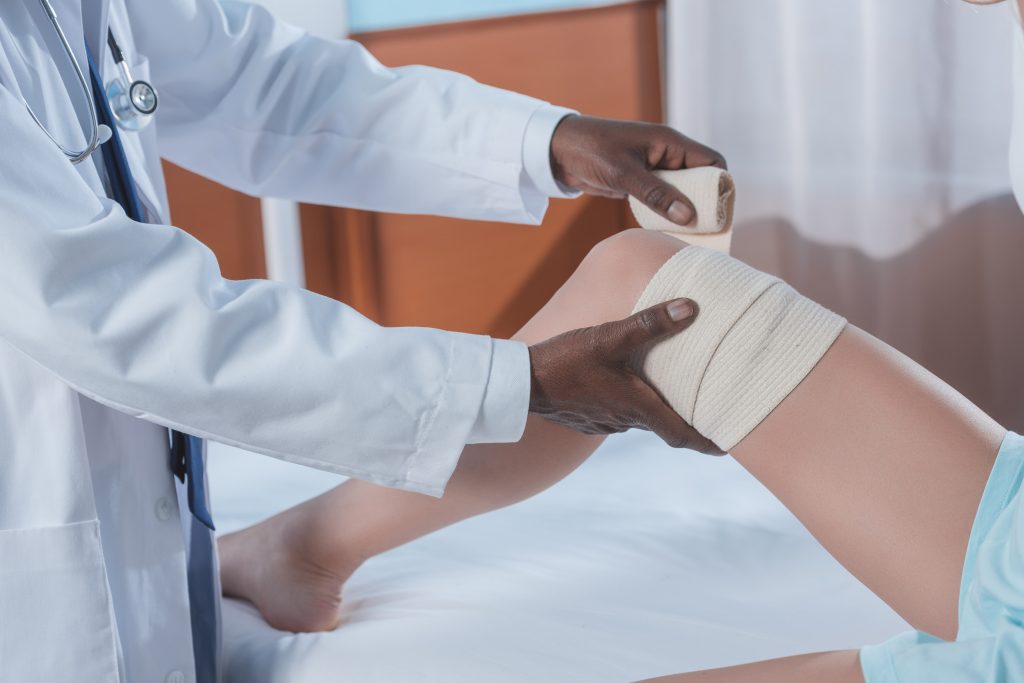
Northeast Florida Guide to Meniscus Tears 

SOS Meniscus Tear

If you’ve ever twisted your knee while playing volleyball, slipped on a wet dock, or crouched down too quickly around the house, you know knee injuries can happen quickly. One of the most common and painful ones can be a meniscus tear.  

Northeast Florida offers beautiful, year-round weather so staying active is almost part of everyday life and unfortunately, these injuries occur more often than you might think. That’s why many locals turn to Southeast Orthopedic Specialists for expert diagnosis and treatments tailored to our community’s active lifestyle. 

SOS Meniscus Tear

What Exactly Is a Meniscus Tear? 

Think of the meniscus as a C-shaped cushion of cartilage inside your knee joint. Each knee has two menisci: one on the inside (medial) and one on the outside (lateral). They help absorb shock, stabilize the joint, and keep your joints moving smoothly. 

A meniscus tear happens when this cartilage gets damaged, usually from a sudden twist or from repetitive wear and tear over time. Athletes see it a lot, but so do older adults since cartilage weakens as we age. 

Common Causes of a Meniscus Tear 

In Florida, the causes often tie back to lifestyle. Some of the most common causes include: 

  • Sports-Related Injuries: Twists, pivots, and sudden stops during soccer, basketball, or tennis. 
  • Everyday Activities: Bending down to grab a beach cooler, running after kids, or lifting heavy groceries. 
  • Age & Wear: Degenerative meniscus tears are common for people over 40, especially with arthritis. 

“A torn meniscus is one of the most frequent knee injuries doctors see, affecting roughly 500,000 Americans every year. These injuries can certainly disrupt your quality of life. However, not every meniscus tear requires surgery. I certainly try to treat these injuries conservatively initially and only offer surgery when necessary to restore appropriate knee function.”  

Aaron Bates, MD, Sports Medicine and Arthroscopy, Southeast Orthopedic Specialists 

How Meniscus Tears Are Diagnosed and Treated 

When you head to the doctor with knee pain, the first step is usually a physical exam to check your knee’s movement, as well as swelling, and tenderness. From there, imaging may be used to confirm the diagnosis. An MRI is the most reliable option for spotting cartilage damage, while an X-ray helps rule out bone issues. In some cases, a knee arthroscopy allows the doctor to actually look inside the joint with a tiny camera. 

Treatment depends on the type of tear, its location, and your active lifestyle. For mild injuries, simple methods such as the RICE method – Rest, Ice, Compression, and Elevation – can be enough, while physical therapy is often recommended to rebuild strength and stability. Knee braces and anti-inflammatory medications may also help manage pain and support healing. If the injury is more serious, surgical options such as arthroscopic repair or meniscectomy (removing all or part of the damaged meniscus) are available and can be very effective.  

“According to Johns Hopkins Medicine, about 40% of meniscus tears can heal without surgery, especially smaller ones in areas with good blood supply.”  

– Patrick Jones, MD, Sports Medicine, Southeast Orthopedic Specialists 

Recovery Time: What to Expect 

Recovery time for a meniscus tear can vary depending on the type of injury and the treatment approach. For those who don’t require surgery, healing typically takes about six to eight weeks with proper rest and physical therapy (PT). However, if surgery is necessary, especially for larger or more complex tears, the recovery and rehabilitation process can extend to three to six months before returning to full activity. 

“For Floridians, PT often includes water-based therapy, due to local access to pools. The buoyancy reduces stress on the joint and speeds healing,” said Dr. Jones. 

With the right recovery plan, you can absolutely return to the activities you love. 

Tips for a Successful Recovery: 

  • Try swimming or paddleboarding for low-impact exercise 
  • Replace running on hard pavement with jogging trails or treadmills 
  • Keep up with strength training to protect the knees from future injuries 
  • Don’t skip stretching, tight hamstrings and quads stress your knee joint 

Final Thoughts on Meniscus Tears 

A meniscus tear may stop you from loving your favorite activities in Florida but with early treatment, smart recovery, and a little patience, most people heal and regain full mobility. 

An early diagnosis can make the recovery process much smoother. If your knee pain has you sidelined, don’t wait it out. Schedule an appointment with a SOS specialist today and start your journey back to pain-free living. 

Understanding Dead Arm Syndrome: Symptoms, Causes, and Treatment

Sports, tennis and arm pain on court after training, game or match outdoors. Healthcare, tennis player and injured black man or athlete with muscle pain or inflammation after exercise or workout

Dead Arm Syndrome is a perplexing condition that affects individuals engaged in repetitive shoulder movements causing sudden, acute pain that temporarily weakens or impairs the arm.

It often creeps up on athletes, especially baseball pitchers, who demand the utmost from their shoulders, only to find themselves grappling with sharp discomfort and a concerning loss of function.

In order to use your arm with minimal to no pain, it involves identifying the causes and symptoms, and seeking interventions that can alleviate discomfort and restore function.

A crucial step in this journey is having an informed conversation with a doctor or specialist with expertise in sports injuries.

Sports, tennis and arm pain on court after training, game or match outdoors. Healthcare, tennis player and injured black man or athlete with muscle pain or inflammation after exercise or workout

Introduction to Dead Arm Syndrome

Dead arm syndrome is a condition that can cause sudden, sharp arm pain. Athletes – such as football players or baseball players – may notice it because they can no longer throw.

An effective approach to treating dead arm syndrome not only relieves the immediate discomfort but also paves the way for ongoing health and optimal athletic performance.

Definition and Overview

Imagine if you were once able to use your throwing arm without pain and suddenly you can’t throw because your limb feels like it’s not your own. This confusing sensation is often experienced by those with dead arm syndrome, where the arm’s function is impaired without apparent reason, leading to discomfort and a hindered ability to perform certain physical activities.

Consulting with a physician upon noticing these symptoms is crucial, as dead arm syndrome may stem from a variety of underlying conditions, ranging from nerve compression, tissue inflammation or injury. Accurate diagnosis is essential, and a specialist’s expertise can pinpoint the root cause and provide an effective treatment plan.

Importance in Orthopedics

Within orthopedics, dead arm syndrome garners significant attention due to its potential to sideline athletes. It’s important to identify the issues so that individuals can reengage with their sports swiftly and, most importantly, safely.

A good understanding of dead arm syndrome allows doctors to deliver care that extends beyond managing symptoms. Treatments may include preventative strategies, an understanding of sports biomechanics, and tailored treatments, all working collaboratively to rehabilitate and fortify the arm against future injury.

Symptoms of Dead Arm Syndrome

Recognizing the symptoms of dead arm syndrome is key in tackling the condition head-on.

  • Pain and weakness:
    • Significant discomfort or pain in the shoulder, especially when throwing, accompanied by noticeable weakness in the upper arm.
  • Numbness and tingling:
    • A sensation of pins and needles or numbness radiating from the shoulder down the arm.
  • Reduced throwing ability:
    • Difficulty throwing with the same force and control as before, often experiencing a significant drop in throwing speed.
  • Shoulder instability:
    • Clicking or popping sounds in the shoulder joint, sometimes accompanied by a feeling of the shoulder partially dislocating.
  • Fatigue in the arm:
    • Feeling of tiredness and exhaustion in the affected arm, especially during repetitive movements.

As you better understand the signs and symptoms of dead arm syndrome, keep in mind that the characteristics of your discomfort and functional impairment offer critical clues in formulating an effective treatment plan.

Conclusion and Takeaways

Arm health and function depend on the timely recognition of symptoms, an accurate diagnosis, and a well-defined treatment plan. Noticing the signs and symptoms early, will help prevent prolonged discomfort and performance setbacks

It’s important you talk with your doctor to understand the underlying causes of your symptoms so that you can get treatment as soon as possible. Staying informed and supported through recovery is going to help with peak arm function and overall musculoskeletal health.

The physicians and specialists at Southeast Orthopedic Specialists are experts in all aspects of orthopedic and spine care. No matter the type of treatment you require, the team at Southeast Orthopedic Specialists is ready to serve you at one of their six locations across Duval, St. Johns and Clay counties. If you find yourself experiencing any type of pain related to an orthopedic or spine condition, call Southeast Orthopedic Specialists at 904.634.0640 or schedule an appointment online

(Photo Credit – Adobe)


Close
Close

Schedule an Appointment

Loading...
Get the Care You Need, When You Need It.

You now have the ability to schedule an appointment online any time with our orthopedic surgeons and specialists. Our intelligent system connects you to the right doctor in the right setting at the right time. Schedule your appointment online above!
*Providers will be recommended based on specialty and best availability. If you would prefer to schedule an appointment with a provider of your choice, please call us at 904-634-0640