Southeast Orthopedic Specialists set to open new orthopedic clinic next month in St. Augustine

New clinic is part of 37,000 square foot building, offering ‘one-stop shop’ for orthopedic and spine services

ST. AUGUSTINE (Dec. 5, 2024) – Residents of St. Augustine and surrounding communities will soon have access to a state-of-the-art, comprehensive healthcare destination as Jacksonville-based Southeast Orthopedic Specialists (SOS) completes the first phase of its new 37,000 square foot building. The new Southeast Orthopedic Specialists Clinic, spanning 14,500 square feet, is scheduled to open in January 2025. This new clinic is part of a larger construction project that is expected to be fully completed in August 2025.

The clinic will be staffed by a team of board certified, fellowship trained physicians and surgeons supported by a team of advanced practice providers. The team will provide comprehensive orthopedic and spine services in one centralized location and patients will have access to the latest advancements in musculoskeletal (MSK) care. Providers at SOS manage the entire continuum of care from initial evaluation to non-surgical care, surgery and recovery.

In addition to the clinic, the new facility will also house several key facilities including Southeast Orthopedic Specialists Imaging Center that will open in March 2025 and St. Augustine Ambulatory Surgery Center that will open in August 2025. When fully operational, it is projected that more than 26,000 patients per year will be treated at the facility.

When fully completed, the new building will feature:

  • Four operating rooms
  • 23 clinic exam rooms
  • Two interventional pain management suites
  • One interventional radiology suite
  • One MRI suite

“Physicians at Southeast Orthopedic Specialists are leaders in their field with decades of experience, including the completion of multiple fellowships and groundbreaking research,” said Donnie Romine, CEO of Southeast Orthopedic Specialists and president of Healthcare Outcomes Performance Company (HOPCo) Southeast Specialty Care Network. “We are honored to provide this level of service, care and expertise to the citizens of St. Augustine and the surrounding communities.”

Over the years, SOS has achieved significant growth in the Northeast Florida Region. In 2019, SOS partnered with Arizona-based HOPCo and its extensive integrated care network. HOPCo’s proven services model and technology platform have been instrumental in building sustainable collaborations with health systems, payors, and other musculoskeletal practices, leading to enhanced patient care and cost reduction. This comprehensive platform includes HOPCo’s unique clinical quality infrastructure, proprietary IT tools and analytics, digital patient engagement, efficient facilities management programs and established value-based care initiatives, all contributing to a more cohesive and effective approach to healthcare. Through this partnership and in response to population increases in St. Johns, Putnam and Flagler counties, SOS is committed to accommodating the patient growth in the region. This is why this construction project is needed – to help meet the growing demands for premier orthopedic and spine services.

Romine said, “Our vision for the future is quickly taking shape and we couldn’t be more excited that we can offer so many services at this one location. We are proud to be the regional leader in musculoskeletal care and look forward to providing the entire spectrum of orthopedic and spine services to these communities.”


About Southeast Orthopedic Specialists

Established in 2001, Southeast Orthopedic Specialists has grown into the leader in musculoskeletal care. Southeast Orthopedic Specialists was founded on the principle of providing high-quality, comprehensive care in the Northeast Florida region. The entire spectrum of musculoskeletal healthcare services is provided to patients including orthopedic surgery, spine care, physical medicine and rehabilitation, pain management, chiropractic, and podiatry. Services including physical therapy, regenerative medicine, advanced imaging, durable medical equipment, and musculoskeletal urgent care are offered in multiple locations throughout the region. Physicians at Southeast Orthopedic Specialists are leading experts in their field with decades of experience, including the completion of multiple fellowships and groundbreaking research. Visit www.se-ortho.com to learn more.


About Healthcare Outcomes Performance Company (HOPCo)

Healthcare Outcomes Performance Company (HOPCo) is the national leader of integrated musculoskeletal value-based health outcomes management, practice management and health system service line management. This includes comprehensive expertise across all MSK specialties, including orthopedics, spine, neurosurgery, hand, pain management, rehabilitation and neurology. HOPCo’s integrated care, analytics, and facilities development and management platforms have proven to increase the quality of patient care while reliably reducing the total cost of care across the care continuum for practices, health systems and payors alike. HOPCo’s affiliated payors, practices, and health systems successfully participate in highly efficient value-based contracting (bundled payments, chronic episodes of care initiatives, population health programs, and other advanced risk-based arrangements) utilizing HOPCo’s proprietary platforms, IT solutions, integrated analytics, and evidence-based comprehensive care pathways. Visit https://hopco.com to learn more.


For media inquiries, please contact:

David Lozano

Senior Director of Communications

Healthcare Outcomes Performance Company (HOPCo)

David.lozano@hopco.com

480.684.0705 (cell)

Note to reporters/producers: Hi-res video and photos for this press release can be downloaded here

How to Deal With Muscle Knots: Tips for Pain Relief

Shoulder and Lower Pain and Tension Relief - Orthopedic Treatment

Shoulder and Lower Pain and Tension Relief - Orthopedic Treatment

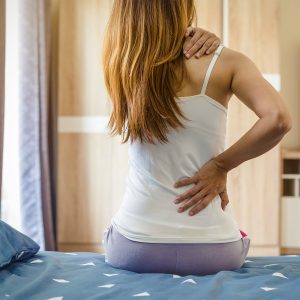
When you feel a stubborn ache in your neck or shoulder, the culprit might be a muscle knot.

These pesky, tight spots of muscle fibers can cause significant discomfort and even headaches if left unmanaged.

But relief is within your reach; with the right approach, you can alleviate the pain and prevent future occurrences.

Armed with the knowledge of effective heat therapy, specialized massage techniques, and stretching exercises, you’ll be on your way to smoother muscles and a more relaxed body.

Keep reading to unlock the mystery of muscle knots and equip yourself with strategies for tackling them head-on.

Understanding the Basics of Muscle Knots

You might be familiar with the sudden pinch or the nagging ache in your muscles that doesn’t seem to relent.

These discomforts are often due to muscle knots, areas where muscle fibers have tensed up and refused to let go, leading to what feels like small, hard lumps within your muscle.

As you tense up, perhaps from stress or overexertion, these fibers contract and create these knots.

Understanding what muscle knots are and recognizing how they form is paramount for effective management.

While they have a tendency to form across various parts of your body, there are certain areas that seem to be more susceptible to knotting, often those you use most frequently or strain the most.

Identifying these common regions can help preempt discomfort, setting the stage for you to learn how to get rid of muscle knots to reclaim comfort and mobility.

What Are Muscle Knots and How Do They Form?

Imagine your muscle fibers as diligent workers on an assembly line, normally operating in harmonious coordination. A muscle knot, or myofascial trigger point, appears when some of these workers go into a state of perpetual overdrive, tensing up into a tiny, localized spasm, stubbornly persisting and interrupting the natural ebb and flow of muscular relaxation.

This unyielding tension disrupts circulation, leading to a build-up of metabolic waste that can exacerbate the discomfort. Your own habits, such as maintaining a single posture for too long or overloading muscles during exercise, often serve as the catalyst for these painful interferences in muscle function.

The Common Areas Prone to Knotting and Why

In your journey to relief, take note of the muscle groups that frequently succumb to knots. Shoulders, neck, lower back, and calves often bear the brunt of these unwelcome guests, largely due to the burden of repetitive movements and the commonality of poor ergonomics in daily activities.

Remember, your posture during prolonged sitting or the repetitive strain from activities like typing or manual labor can predispose these areas to tension. As these muscles carry the responsibility of supporting and moving your body, they fall victim to knotting when overwhelmed or used incorrectly.

Implementing Heat Therapy for Soothing Relief

Turning to heat therapy can be an effective way to alleviate the discomfort caused by muscle knots.

By applying a heat source directly to the affected area, you encourage blood vessels to expand, which enhances blood flow and helps flush away the buildup of waste products contributing to the pain.

Before reaching for the nearest heat pad, though, familiarize yourself with the optimal methods for heat application.

It’s essential to identify the appropriate heat source suited for your specific situation and understand the safety measures to prevent skin damage.

The following discussion will guide you through selecting the ideal heat option and provide you with best practices for applying heat to your muscle knots, ensuring you find relief without risking further injury.

Choosing the Right Type of Heat Source

When selecting a heat source for muscle knot relief, you need to consider the temperature and duration of application that’s best for your body. A heat pad or warm, damp towel might suffice; the key is ensuring the warmth penetrates deeply without causing burns, something that often accompanies excessively high temperatures or prolonged exposure improperly monitored.

Your choice could also involve a localized heat wrap or a warm bath, designed to target broader muscle groups. Seek a solution that provides consistent, therapeutic warmth while accommodating your mobility, as some treatments may be better suited for use during periods of rest or activity.

Best Practices for Applying Heat to Muscle Knots Safely

When applying heat to muscle knots, it’s paramount that you gauge the heat, ensuring it’s warm enough to relax the muscles but not so hot that it scalds your skin. Opt for a heat setting that allows you to apply it for longer periods, typically around 15 to 20 minutes, which can significantly aid in reducing the muscle tension without causing discomfort or damage to your skin.

Always use a barrier, such as a cloth or towel, between your skin and the heat source to protect against burns. Evenly distributing the warmth across the affected muscle area promotes efficient circulation and aids the healing process. Consistent checks of skin temperature and color during the heat application will help you maintain a safe environment for your muscle healing journey.

Exploring Massage Techniques at Home

Turning your attention to the transformative power of touch, exploring massage techniques can be a pivotal strategy for relieving muscle knots.

The right approach to massaging your muscles can be akin to conducting a well-orchestrated symphony where every movement works towards soothing those tight, knotted areas.

Self-massage tools, if used correctly, can amplify your efforts, providing targeted relief with precision.

From foam rollers to therapeutic massage balls, these instruments, when accompanied by the proper technique, can yield promising results.

Equally important is mastering the technique of hand massages, which enables you to apply direct pressure to affected areas, bringing about immediate respite.

Up next, you’ll discover how to wield these tools effectively and navigate through a step-by-step guide to hand massaging tight muscles, paving your path to greater comfort and reduced pain.

Self-Massage Tools and How to Use Them Effectively

Unlocking the potential of self-massage tools begins with choosing the right instrument for your needs. A foam roller, for instance, can serve as an invaluable ally, particularly for larger muscle groups; to use it effectively, position yourself so the affected area experiences gentle, sustained pressure to encourage release and relief.

On the other hand, maneuvering a massage ball requires a different strategy, one that involves small, deliberate movements to target those deep-seated knots. Apply moderate pressure using the ball on the tense area, moving slowly to stimulate blood flow and relax the tight fibers without overwhelming your muscles.

Step-by-Step Guide to Hand Massaging Tight Muscles

Initiate the process of hand massaging by gently placing your fingers over the affected muscle knot. Use a firm, but not crushing, grip to apply steady pressure with slow, intentional strokes that follow the grain of the muscle fibers. This methodical approach can coax the rebellious contractions into smoother territories, easing away tension and fostering recovery.

Transition your touch into deeper circular movements as the muscle begins to yield. Your intent should be to communicate with the knotted fibers, nudging towards relaxation without eliciting pain. This tactile conversation encourages the proper distribution of blood flow, leading wayward muscle fibers back to their natural rhythm of tension and release.

Incorporating Stretching Exercises Into Your Routine

Embarking on a quest to unravel the discomfort of muscle knots often leads to the therapeutic world of stretching.

Synonymous with relief, stretching exercises should take on a pivotal role in both your pain management and prevention tactics.

They underpin the continued flexibility and strength of your muscles, fostering an environment where knots struggle to maintain their grasp.

By introducing gentle stretches specifically designed to target the muscle groups prone to knotting, you channel much-needed attention to areas asking for relief. Furthermore, stretching adjacent areas that lead to muscle imbalance can also provide relief and prevent further muscle knots from arising.

Establishing a daily routine focused on stretching not only addresses current soreness but successfully builds your muscular defense against future tension.

Going forward, let’s explore how to effectively integrate these stretches into your everyday life for an enduring reprieve from the shackles of muscle knots.

Gentle Stretches for Targeted Muscle Relief

Embarking on gentle stretches translates to sending a signal of ease to your tense muscles, particularly those afflicted by the stubbornness of muscle knots. When you stretch, do so with intention and mindfulness, focusing on breath and alignment to ensure the stretch caters to alleviating tension and promoting muscular harmony. These stretches are designed to be kind to your body, allowing the muscle fibers to elongate and release in a gradual and controlled manner.

Adopt a routine that prioritizes stretches targeting your neck, shoulders, and back, areas frequently gripped by knots due to everyday demands. As you guide these parts of your body through the stretches, maintain a pace that is slow and attentive, granting each muscle group the time it needs to respond to the relief being offered, laying the groundwork for a lasting respite from discomfort.

Creating a Daily Stretching Schedule for Prevention

You know the importance of regular exercise, and the same principle applies when preventing muscle knots. Establish a stretching schedule that aligns with your daily life, ensuring that it’s practical and sustainable for long-term adherence.

Initiate and end your day with a series of stretches designed to target key areas susceptible to tightness. Your consistent dedication to this routine will play a significant role in maintaining muscle health and preventing the formation of new knots.

The Role of Hydration and Nutrition in Preventing Muscle Knots

Adequate hydration is vital to your muscle health, as water plays a critical role in maintaining normal muscle function and healing. Ensuring you drink ample fluids throughout the day keeps muscle tissues supple and less prone to the development of painful knots.

Beyond quenching your thirst, your dietary choices have a direct impact on muscle recovery and tension prevention. Incorporating foods rich in magnesium, such as almonds and spinach, can aid in muscle relaxation and mitigate the risk of creating tight spots within your muscle fibers.

Lean proteins, packed with essential amino acids, serve as the building blocks for repairing and strengthening muscle tissue. Including these in your meals helps fortify your muscles against the unnecessary stress that often leads to knot formation.

By nourishing your body wisely and maintaining hydration, you lay the foundation for resilient muscles that are less susceptible to the discomfort of muscle knots. Thoughtful attention to diet and water intake can be a transformative approach to managing and preventing those tenacious knots.

Conclusion

Addressing muscle knots requires a proactive combination of targeted heat therapy, massage techniques, and regular stretching to alleviate pain and improve muscle function.

Implementing these strategies into your routine can greatly enhance blood flow, relieve tension, and foster muscle recovery.

Maintaining proper hydration and nutrition bolsters your body’s defenses against the formation of new knots, keeping muscles supple and resilient.

Carefully curated, these pain relief methods intertwine to form a comprehensive approach to managing and mitigating the discomfort of muscle knots.


                                                                        Photo Credit – Adobe

Jacksonville Orthopedic Surgeon Earns Award for Invention to Repair Achilles Tendon

Jorge Acevedo Headshot

Dr. Jorge Acevedo wins prestigious Edison Award, recognized for innovative implant and technique

JACKSONVILLE, FL (June 19, 2024) – Not too many doctors can say they have invented something to help their patients. However, Dr. Jorge Acevedo, a nationally recognized Foot and Ankle surgery expert with Southeast Orthopedic Specialists, cannot only say he helped invent an important advance in orthopedic care, but also won an award for it.


Recently, the Jacksonville orthopedic surgeon earned the prestigious Edison Award – often referred to as the “Oscars of Innovation.” Just like the Olympics, winners in various categories are given a gold, silver, or bronze award. Dr. Acevedo and New York-based Dr. James McWilliam won the gold award, recognized for developing the Arthrex MIS FiberTak Achilles SpeedBridge Repair Implant System. This innovative system is used to repair the Achilles tendon, the large tendon at the back of the heel.


“We are proud to support Dr. Acevedo and Dr. McWilliam in their quest to revolutionize Achilles tendon repair,” said a spokesperson for Arthrex, Inc. “Their innovative implant system exemplifies our commitment to empowering surgeons with cutting-edge technology that improves patient outcomes.”


The Achilles tendon is comprised of strong tissues that connect the calf muscle to the heel. In some instances, the tendon may get damaged through overuse, physical activity or repeated stress and may require surgery.


With traditional Achilles tendon surgery, surgeons may need to open the back of the heel to repair the tendon. There may be large incisions, potential damage to surrounding tissue, major scarring and recovery time could be extensive.


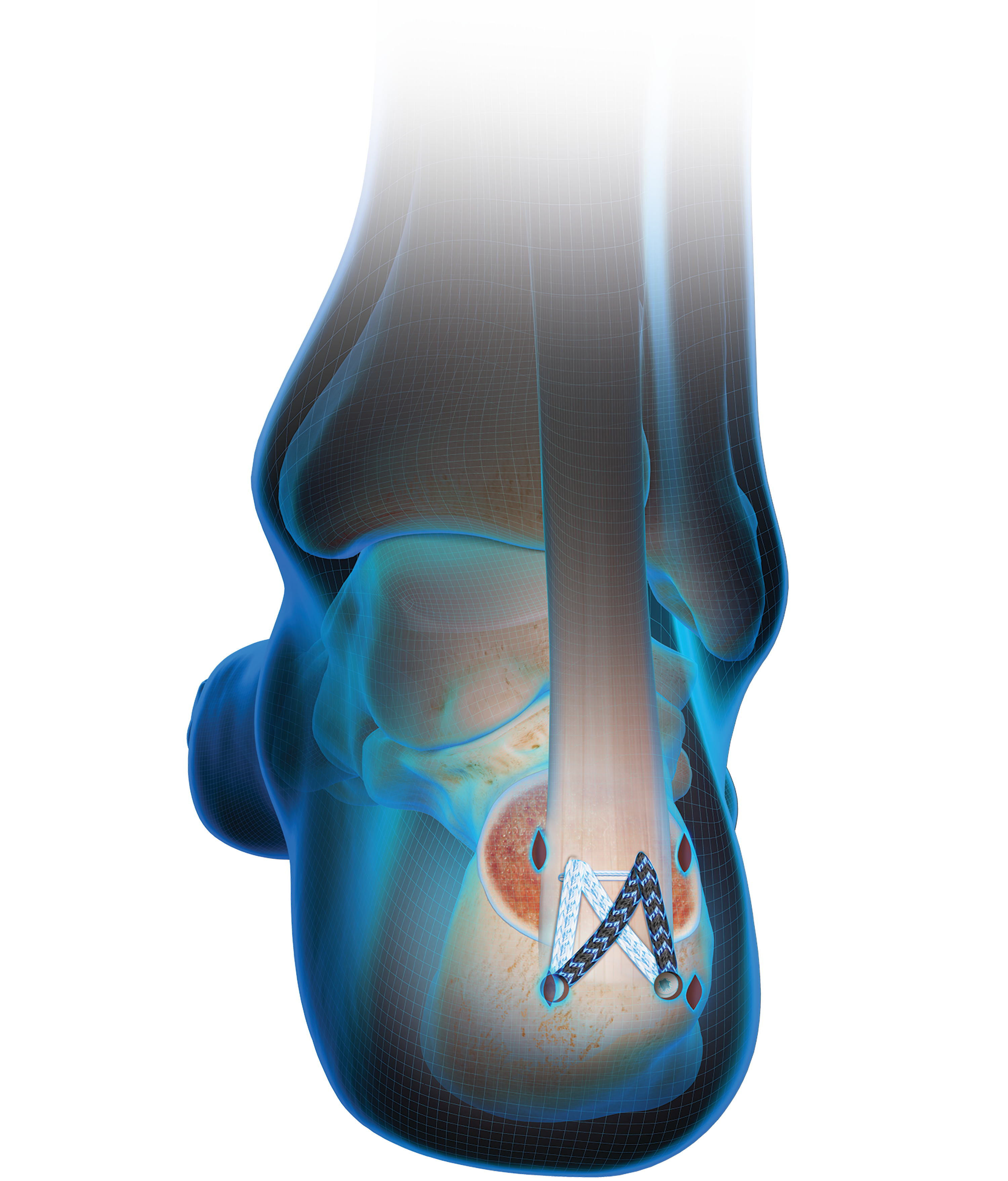
Dr. Acevedo’s invention involves a minimally invasive procedure and specialized technique that minimizes damage to surrounding tissue. A series of innovative instruments and implants are used. Small incisions are made in the back of the heel and strong sutures are placed to hold the tendon against the heel bone.

MIS Achilles Blue Wire Illustration

As the area heals, patients are left with minimal scarring and a faster recovery time compared to traditional surgery.

“We are honored to receive the Thomas Edison Gold Award for our work in advancing orthopedic care,” said Dr. Acevedo. “Our goal was to develop a solution that not only effectively addresses Achilles tendon pathology but also prioritizes patient comfort and recovery.”


For more information, please visit www.se-ortho.com. Click “here” to view an animation of the Arthrex system.


About Southeast Orthopedic Specialists

Established in 2001, Southeast Orthopedic Specialists is a regional leader in musculoskeletal care. Southeast Orthopedic Specialists was founded on the principle of providing high-quality, comprehensive care in the Northeast Florida region. The entire spectrum of orthopedic care is provided to patients, including orthopedic surgery, spine care, physiatry, pain management, chiropractic, podiatry and physical therapy. Physicians at Southeast Orthopedic Specialists are leading experts in their field with decades of experience, including the completion of multiple fellowships and groundbreaking research. Visit www.se-ortho.com to learn more.


About Healthcare Outcomes Performance Company (HOPCo)

Healthcare Outcomes Performance Company (HOPCo) is the national leader of integrated musculoskeletal value-based health outcomes management, practice management and health system service line management. This includes comprehensive expertise across all MSK specialties, including orthopedics, spine, neurosurgery, hand, pain management, rehabilitation and neurology. HOPCo’s integrated care, analytics, and facilities development and management platforms have proven to increase the quality of patient care while reliably reducing the total cost of care across the care continuum for practices, health systems and payors alike. HOPCo’s affiliated payors, practices, and health systems successfully participate in highly efficient value-based contracting (bundled payments, chronic episodes of care initiatives, population health programs, and other advanced risk-based arrangements) utilizing HOPCo’s proprietary platforms, IT solutions, integrated analytics, and evidence-based comprehensive care pathways. Visit https://hopco.com to learn more.


For media inquiries, please contact:


David Lozano
Senior Director of Communications
Healthcare Outcomes Performance Company (HOPCo)
18444 N. 25th Ave.
Phoenix, AZ 85023
623.241.8779
David.lozano@hopco.com

Knee Pain When Bending Down? Here’s What You Can Do About It

Experiencing knee pain can significantly restrict your daily activities, making even simple motions like bending your leg an ordeal.

Whether it’s a sharp pain in your knee when kneeling or a dull ache when straightening your leg after sitting, understanding the root causes is the first step towards finding relief.

The knee, a complex joint that supports much of our body weight, is vulnerable to a variety of injuries and conditions.

This article will guide you through the causes of knee pain when bending, explore effective treatments, and offer tips for prevention.

Keep reading to discover how to maintain healthy knees and return to your favorite activities.

Why Does My Knee Hurt When I Bend It?

Experiencing knee pain when bending your leg can manifest in various forms and locations, each potentially pointing to a different underlying issue.

Feeling pain behind the knee when bending might signal a problem such as a Baker’s cyst, while a very sharp pain in the knee when bending could be indicative of conditions like meniscus tears or patellar tendinitis.

If the discomfort is situated above the kneecap, this might suggest quadriceps tendinopathy, whereas pain under the kneecap when bending often points towards patellofemoral pain syndrome.

Identifying the specifics of your pain is a crucial step towards pinpointing its cause and guiding effective treatment routes.

Pain Behind Knee When Bending

Experiencing pain behind your knee when you bend your leg can often feel like a catch or intense pressure, leaving you uncomfortable or even immobile in severe cases. This type of discomfort might be attributed to conditions such as Baker’s cyst, characterized by a buildup of fluid behind the knee. This situation stresses the tissues around the knee, resulting in pain that intensifies upon bending.

Another common cause of pain behind the knee when bending is a meniscus tear. This injury involves the tearing of the meniscus, which is a fibrocartilage crescent shaped structure on either side of the knee, that acts as a shock absorber between your thighbone and shinbone. A meniscus tear not only causes pain but often leads to swelling, restricted movement, and an unsettling feeling of instability in the knee, complicating simple actions like bending and straightening the leg. Immediate and appropriate attention from a health professional is vital to manage the symptoms and prevent further damage.

Very Sharp Pain in the Front of the Knee When Bending

Encountering a very sharp pain in the front of the knee while bending can be a frightening experience, often leaving you wary of moving your leg at all. This type of pain is frequently related to patellar tendinitis, where the tendon connecting your kneecap to your shinbone becomes inflamed. The discomfort is typically sharp and localized, intensifying with movement, especially when bending the knee during activities such as squatting or climbing stairs.

Additionally, a very sharp pain in your knee when bending could indicate a problem with the patellar tendon, such as a rupture or severe strain. Such conditions are less common but can result from a sudden, forceful impact or excessive strain on the knee, common in sports or physically demanding activities. Early diagnosis and treatment are crucial to prevent long-term damage and restore knee function, highlighting the importance of seeking medical advice if experiencing this type of knee pain.

Pain Above Kneecap When Bending

Encountering pain just above the kneecap when you bend your leg can be indicative of quadriceps tendinopathy, a condition characterized by inflammation and injury to the tendon that attaches your quadriceps muscle to the patella. This type of pain is often a result of repetitive stress or sudden increases in physical activity, leading to soreness and discomfort that manifests most acutely during movements involving the knee, such as bending or jumping.

Pain under the Kneecap When Bending

When you feel pain in front of the kneecap while bending, you could be dealing with patellofemoral pain syndrome, often accentuated by movements that increase pressure on the knee, such as squatting or descending stairs. This ailment arises from the misalignment or excessive stress on the patella, leading to discomfort and aggravation during knee flexion activities.

Another condition associated with pain in this area is chondromalacia patellae, characterized by the thinning and breakdown of the cartilage beneath the kneecap. The degeneration of this cartilage typically occurs as we age and can result in pain and discomfort under the kneecap, becoming more prominent with bending motions that press the patella against the thigh bone.

Knee Exercises

Incorporating knee exercises into your daily routine stands out as an effective measure for alleviating pain when bending your leg. These exercises mainly focus on strengthening the muscles surrounding the knee, such as the quadriceps and hamstrings, to improve alignment and reduce stress on the knee joint. By enhancing muscle strength and flexibility, you contribute to a more stable and less painful knee movement.

Starting with gentle stretching exercises can gradually improve the flexibility and range of motion of your knee, decreasing the likelihood of pain during bending activities. Progressing to strength training exercises, specifically tailored to your condition and fitness level, further fortifies the knee against injury and discomfort. It’s advisable to seek guidance from a physical therapist to ensure that you’re performing these exercises correctly and safely, optimizing their benefits while minimizing the risk of further injury.

Medical Treatment

Exploring professional medical interventions is imperative if your knee continues to ache despite home remedies and lifestyle adjustments.

These treatments can range from less invasive options like physical therapy, which targets strengthening and flexibility, to more invasive treatments such as injections.

In certain cases, immobilization with a brace might be necessary to allow your knee the rest it needs to heal properly.

Surgery, although considered a last resort, typically is an option when other treatments fail to relieve your symptoms, particularly in severe injuries or chronic conditions that impair your knee’s functionality.

Each of these medical interventions offers a tailored approach to effectively address your specific knee issues, fostering recovery and enhancing your mobility.

Physical Therapy

Physical therapy presents a cornerstone in the management of knee pain when bending, offering a personalized approach to rehabilitation. Through a blend of exercises designed to strengthen the muscles around your knee and improve flexibility, physical therapists work to enhance your knee’s stability, aiming to reduce pain and improve overall function.

During your sessions, a physical therapist might also employ manual therapy techniques to reduce stiffness and increase joint mobility, directly addressing the discomfort you experience when bending your knee. This hands-on approach, coupled with an exercise regimen you can follow at home, equips you with the tools to manage your knee pain and fosters long-term knee health.

Knee Injections

When it comes to managing knee pain and inflammation, knee injections can be a highly effective treatment option. These injections typically contain corticosteroids, and hyaluronic acid, and are administered directly into the knee joint by a healthcare professional. Corticosteroid injections work by reducing inflammation and providing pain relief, while hyaluronic acid injections help lubricate the joint and improve mobility.

Knee injections are often recommended for individuals who have not experienced relief from other conservative treatments such as medications or physical therapy. They can provide significant pain relief and improve joint function, allowing individuals to engage in daily activities with greater ease. However, it is important to consult with a healthcare provider to determine the most appropriate type of knee injection. Overall, knee injections can be a valuable tool in managing knee pain and restoring mobility for individuals looking to regain their quality of life.

Surgery

If your journey to overcome knee pain when bending has led you through various treatments without relief, surgery might be the suggestion from your healthcare provider. This intervention is generally reserved for severe cases where other methods have not improved your condition, such as significant injuries to the ligaments, tendons or meniscus, or chronic conditions like arthritis that severely limit your mobility and quality of life.

Surgical options vary depending on the underlying cause of your knee pain but can include procedures like arthroscopy for less invasive corrections, reconstructive surgeries to repair damaged ligaments, or even knee replacement for advanced arthritis. Your surgeon will guide you through the decision-making process, ensuring you understand the benefits and risks associated with surgical treatment for your specific knee issues.

When to See a Doctor

Recognizing when to seek medical advice is crucial if you’re experiencing knee pain when bending your leg. If your knee pain persists despite trying home remedies or if the discomfort significantly limits your day-to-day activities, it’s time to consult a health care provider. Severe or sustained pain warrants prompt attention to avoid further complications.

Pay attention to symptoms that accompany your knee pain, such as swelling, redness, or a sensation of warmth around the joint. These signs could indicate an underlying condition that requires professional medical intervention..

If you hear a popping noise followed by immediate knee pain when bending, this can be a sign of a serious injury, such as an anterior cruciate ligament tear. This type of injury is common in sports and requires a thorough examination by a healthcare professional. Delaying evaluation and treatment can lead to instability and potential long-term joint damage.

Lastly, experiences of locking or an inability to fully straighten the knee are signals that should prompt a visit to a physician. This could be indicative of a mechanical issue within the knee, such as a meniscus tear or loose body within the joint, which may require advanced treatments like surgery to resolve. Consulting with a healthcare provider can elucidate the nature of your knee issue and guide the most effective treatment plan.

Diagnosing the Causes of Knee Pain

Identifying the root cause of your knee pain necessitates a thorough examination by a healthcare professional. They will commence with a detailed medical history and a physical examination to evaluate the specific characteristics of your pain. This meticulous approach helps pinpoint whether the issue stems from the tendons, ligaments, cartilage, bones, or a combination of these structures within or surrounding your knee.

Advanced imaging tests play a pivotal role in diagnosing the precise cause of knee pain. Magnetic resonance imaging (MRI) is especially beneficial as it provides detailed images of the knee’s internal structures. This allows clinicians to assess for injuries or abnormalities in the bone, cartilage, tendons, and ligaments, offering invaluable information for a definitive diagnosis.

In certain cases, your physician might recommend a CT scan to get a more detailed view of the bone structure of your knee. This is particularly useful for evaluating bone fractures or more complex structural issues. The goal is to obtain a comprehensive understanding of your knee pain’s etiology, guiding the development of an effective treatment plan tailored to your specific condition.

For some specific conditions, such as gout or infection, drawing and analyzing fluid from your knee joint might be necessary. This procedure not only aids in diagnosing conditions caused by issues like uric acid crystals or bacteria but also helps in relieving pressure and discomfort in the knee. By understanding what’s happening inside your knee joint, your healthcare provider can more accurately determine the cause of your pain and the best course of action for treatment.

Treatment Options and Management

Once a diagnosis is made, various treatment options may be recommended based on the specific condition identified. For instance, if you’re diagnosed with patellofemoral pain syndrome or arthritis, the orthopedic surgeon may prescribe medications such as ibuprofen or corticosteroid injections to manage pain and inflammation. In cases of severe degenerative disease, joint replacement surgery, including knee replacement, may be necessary to restore function and alleviate pain. Additionally, physical therapy and strength training exercises are often prescribed to improve muscle strength and flexibility, promoting better joint stability and overall mobility.

Preventive Measures and Lifestyle Modifications

Incorporating preventive measures and lifestyle modifications can play a significant role in managing knee pain and reducing the risk of future injuries. Maintaining a healthy body weight through proper diet and exercise is essential, as excess weight can contribute to added stress on the knee joints. Furthermore, wearing appropriate footwear and using shoe inserts can help provide better support and shock absorption during physical activities like running or basketball, reducing the likelihood of injury. Engaging in low-impact exercises such as water aerobics or cycling can also help improve joint flexibility and strengthen surrounding muscles without placing excessive strain on the knees.

Recovery

Recovery from knee pain, particularly when it intensifies with bending, often hinges on a combination of rest, targeted therapy, and gradual re-introduction to physical activity. Your body signals the pace at which you can advance, urging a cautious approach to prevent re-injury or exacerbation of pain. Adhering to the guidance of your health care provider ensures a balanced route back to wellness.

Engaging in physical therapy plays a substantial role in your recovery process. By focusing on strengthening and increasing flexibility around your knee, you contribute significantly to stabilizing the joint and alleviating discomfort. Consistent participation in prescribed exercises expedites your journey towards regaining full knee function.

Takeaway

Navigating through the complexities of knee pain when bending your leg requires a multifaceted approach, from understanding its various causes to exploring effective treatments.

The journey towards finding relief is underscored by the wealth of information and the range of solutions available.

As we distill insights from various credible sources, the emphasis has been placed on delivering content that empowers you to take informed steps towards managing your condition.

Conclusion

Understanding the causes of knee pain when bending your leg and exploring treatments is crucial for effective management and relief.

Various conditions, from Baker’s cyst to patellar tendinitis, can cause pain in different areas of the knee, highlighting the importance of accurately diagnosing the root cause.

Home remedies like the ice application, and OTC medications offer initial relief, while specific exercises can strengthen the knee and improve mobility.

For more persistent or severe pain, medical treatments such as physical therapy, injections, or in severe cases, surgery, may be necessary.

Knowing when to seek medical advice is essential to prevent further complications.

Ultimately, a multifaceted approach to understanding and treating knee pain when bending can lead to better outcomes, empowering individuals with the knowledge and treatments to manage their condition effectively.
Types of Achilles Tendon Injuries & How to Fix Them

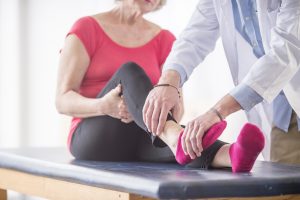
a foot & ankle physician examines an elderly female patients injury on a table.

The Achilles tendon runs from the bones of your heel to your calf muscles and is the largest and strongest tendon in the body. It’s quite common for this tendon to become injured and there are a few different types of injuries that the tendon can sustain.

Tendonitis

This is caused by overuse or damage to the area and results in pain down the back of the leg and the heel. Achilles tendonitis is typically a result of repetitive stress versus a specific injury. Although it may take some time, nonsurgical treatments are usually effective in providing pain relief. Decreasing your activities and allowing yourself to rest is a crucial part of healing. Icing the area and taking NSAIDs are also beneficial for reducing inflammation.

Rupture

An Achilles tendon rupture is a full or partial tear to the tendon. This happens from a sudden injury that causes the tendon to stretch to a breaking point. An Achilles tendon rupture is a common sports injury and is most common in those ages 30 to 40. The telltale sign of an Achilles tendon rupture is a popping sound or sensation in the back of the ankle. Unlike tendonitis, a rupture is a traumatic injury that requires a physician’s attention. We’ve listed some treatments below:

  • Before going to see a physician, following the RICE (rest, ice, compression, elevation) method can help to reduce your discomfort
  • Bracing or using a walking cast encourages immobilizing the injured tendon. Your physician does this so that the foot and ankle are flexed downward for the tendon to heal
  • Surgery is often recommended for a torn Achilles tendon when the patient lives an active lifestyle. The physician can stitch the torn ends of the tendon together and then cast the lower leg to allow the tendon to heal
  • Physical Therapy is an important step for regaining strength and mobility in the tendon after an initial treatment plan is determined

Achilles Tendinopathy

The symptoms associated with Achilles tendinopathy are almost identical to tendonitis, but there are some key differences. Tendinopathy is a degeneration of the collagen protein that forms the tendon. There are several ways to reduce your pain, such as the ones suggested for tendonitis, but a combination of home treatment and physical therapy is typically the most successful solution. As with any injury, if do not see any improvement, a physician can help find the correct solution for you.

Does your foot & ankle need some professional attention? Call today and schedule an appointment with Southeast Orthopedic Specialists.


Three Common Reasons for Knee Pain and How to Fix Them

Physiotherapy patients receive expert care by our specialists at Southeast Orthopedics Specialists.

According to the CDC, knee pain is something that affects one in four Americans. Whether you have experienced an acute injury or find yourself with chronic pain, your quality of life can be seriously altered. The knee is a complicated joint with several different muscles and ligaments found throughout it. Therefore, it is hard to pinpoint what the reason behind your pain might be. We have gathered three of the most common reasons that Americans experience knee pain and some helpful tips on how to hopefully find relief from your discomfort.

Osteoarthritis

There are hundreds of different types of arthritis, but Osteoarthritis is one of the most common to affect the knee. Found mostly in those 50 years of age and older, this is seen as a degenerative arthritis due to wear-and-tear. When you have Osteoarthritis, the cartilage in the knee joint wears away, painfully exposing the bones to one another.

Unfortunately, Osteoarthritis cannot be reversed, but there are various treatment methods to reduce your pain. There are conservative methods such as implementing physical therapy to strengthen your muscles, increase flexibility and manage pain. If the conservative route isn’t working, viscosupplementation injections are an option that aids in pain relief by supplementing your joints with necessary cushion.

Excess weight

Having extra weight on your body adds unnecessary stress to your knee joints and is a major cause for pain in the joints. Being just 10 pounds overweight increases the force on your knees by 30 to 40 pounds with each step you take. Although losing weight and keeping it off is not an easy feat, any little bit helps when it comes to reducing your discomfort in your knees.

If you find yourself to be carrying excess weight, set realistic goals for yourself in lowering your weight by 5% at first. Eating healthy and exercising are the obvious ways to cut pounds, but sometimes exercising with knee pain seems impossible. Whereas running can add strain to your knee joints; swimming, walking and light resistance exercises are much more suitable.

Injuries

A knee injury can affect the ligaments, tendons, bones or cartilage of the joint. The types of injuries that you can sustain to the knee seem endless. Some of the more common knee injuries are ACL tears, knee fractures, meniscus tears, knee bursitis and patellar tendinitis.

The solutions for each knee injury vary depending on the severity, your age, general health and activity level, but your physician can offer you the most practical non-surgical or surgical options for your unique injury. When you are initially injured, the RICE method (rest, ice, compression and elevation) can assist you until you are able to get professional advice.

The physicians and specialists at Southeast Orthopedic Specialists are experts in all aspects of orthopedic and spine care. No matter the type of treatment you require, the team at Southeast Orthopedic Specialists is ready to serve you at one of their six locations across Duval, St. Johns and Clay counties. If you find yourself experiencing any type of pain related to an orthopedic or spine condition, call Southeast Orthopedic Specialists at 904.634.0640 or schedule an appointment online.

Orthopaedic Associates of St. Augustine Announces New Name and Expansion Throughout Northeast Florida

St. Augustine, FL (February 15, 2022) – Orthopaedic Associates of St. Augustine has announced that they will begin operating under the Southeast Orthopedic Specialists’ name as of April 1, 2022.  This change comes after Orthopaedic Associates of St. Augustine and Jacksonville-based Southeast Orthopedic Specialists partnered in October of 2021 under the HOPCo (Healthcare Outcomes Performance Company) platform.  The newly expanded multi-specialty musculoskeletal care practice includes more than 100 specialists serving patients throughout northeast Florida and southeast Georgia.  The practice provides care in 8 locations throughout the region and will be developing additional offices in Duval, St. Johns, Flagler and Clay counties.

The entire provider team, including Dr. Albert Volk, Dr. Kurtis Hort, Dr. Sina Kasraeian, Dr. Paul Rotteges, Dr. Alexander Lampley, and Dr. Casey McClone, will continue to see all current patients and new patients in their offices in St. Augustine, North St. Johns, Fleming Island, Ponte Vedra and Jacksonville.

“We are eager to take the next step in a partnership that will truly transform the delivery of musculoskeletal care in our region,” said Dr. Volk.  “Now that we have become fully integrated under the HOPCo platform, we can expand our current service offerings and provide better access to more patients through our merger with Southeast Orthopedic Specialists.”

The newly merged practices will utilize HOPCo’s proven platform to develop sustainable partnerships with other musculoskeletal practices, health systems and payors to improve the quality and reduce the cost of musculoskeletal care, all while providing a better experience and outcomes for patients.

“Orthopaedic Associates of St. Augustine has made an incredible impact on their community over the past two decades and we are excited that we will now be working together as part of Southeast Orthopedic Specialists,” said Gavan Duffy, MD, President of Southeast Orthopedic Specialists.  “With the addition of their team, Southeast Orthopedic Specialists is now one of the largest musculoskeletal care platforms in North Florida and is positioned to continue providing the highest quality care for decades to come.”


About Southeast Orthopedic Specialists

Southeast Orthopedic Specialists is a regional leader in musculoskeletal care providing expertise in the entire spectrum of orthopedic care provided to patients, including orthopedic surgery, sports medicine, spine care, physiatry, pain management, chiropractic, podiatry and physical therapy.  Physicians at Southeast Orthopedic Specialists are leaders in their field with decades of experience, including the completion of multiple fellowships and groundbreaking research.  Visit www.se-ortho.com to learn more.

 About Orthopaedic Associates of St. Augustine

Orthopaedic Associates of St. Augustine has provided the highest quality, patient-centered orthopedic care and sports medicine in St. Johns County and surrounding areas for over twenty years.  All physicians are fellowship-trained in their field of expertise.  The team of medical professionals offers comprehensive surgical and non-surgical musculoskeletal care, physical therapy and imaging in St. Augustine and  North St. Johns.  Visit www.oastaug.com to learn more.

About Healthcare Outcomes Performance Company

Healthcare Outcomes Performance Company (HOPCo) is the national leader of integrated musculoskeletal value-based health outcomes management, practice management and health system service line management.  This includes comprehensive expertise across all MSK specialties, including orthopedics, spine, hand, pain management, rehabilitation and neurology.  HOPCo’s integrated care, analytics and facilities development platform has proven to increase the quality of patient care while reliably reducing the total cost of care across the care continuum for practices, health systems and payors alike.  HOPCo’s affiliated payors, practices and health systems successfully participate in highly efficient value-based contracting (bundled payments, population health programs, and other advanced risk-based arrangements) utilizing HOPCo’s proprietary platforms, IT solutions, integrated analytics, and standardized care pathways.  Visit www.hopco.com to learn more.

###

For media inquiries, please contact:

Daniel Goldberg
Sr. Director of Marketing, Branding and Communications
Healthcare Outcomes Performance Company (HOPCo)
623.241.8649
Daniel.Goldberg@hopco.com

Orthopaedic Associates of St. Augustine Partners with Southeast Orthopedic Specialists and HOPCo to Create the Largest Integrated Musculoskeletal Care Network in Northeast Florida

St. Augustine, FL (October 29, 2021) – Orthopaedic Associates of St. Augustine (OASA), a leading musculoskeletal practice in St. Augustine, has announced a partnership with Southeast Orthopedic Specialists (SOS), a leading provider of comprehensive orthopedic and musculoskeletal care throughout Northeast Florida. The partnership creates a multi-specialty musculoskeletal care platform with more than 100 providers serving patients throughout northeast Florida and southeast Georgia.

Through this partnership, OASA will become part of the HOPCo (Healthcare Outcomes Performance Company) integrated care network and, in partnership with SOS, will utilize HOPCo’s proven platform to develop sustainable partnerships with health systems, payors and other musculoskeletal practices to improve the quality and reduce the cost of musculoskeletal care, all while providing a better experience for patients. The integrated care platform includes HOPCo’s uniquely integrated clinical quality infrastructure, proprietary IT tools and analytics, facilities management programs and established value-based care programs. In the coming months, OASA will transition to the Southeast Orthopedic Specialists brand and going forward, the practices will operate under one consolidated care platform.   OASA will continue its commitment to patients by maintaining its strong physical presence throughout St. Augustine and North St. Johns County.

Orthopaedic Associates of St. Augustine has been providing the highest quality of musculoskeletal care throughout St. Johns County and surrounding counties, with locations in St. Augustine and North St. Johns County. “We have seen considerable success in our practice over the last two decades,” said Dr. Albert Volk, President and Founding Partner of Orthopaedic Associates of St. Augustine. “At the same time, we know the best way for us to continue successful growth and to help lead value-based care efforts is through alignment with organizations with a dedicated growth infrastructure and proven track record like HOPCo and SOS.”

“We are excited for this new partnership as it will allow our combined efforts to spearhead the ongoing growth and delivery of advanced musculoskeletal value-based care programs across the region, resulting in better care for patients,” said Dr. Brett Puckett, President of Southeast Orthopedic Specialists.

HOPCo, the national leader in musculoskeletal value-based health outcomes management, musculoskeletal service line and practice management, has grown significantly in Northern Florida in the last few years. First partnering with Southeast Orthopedic Specialists in 2019 and then in 2020, partnering with the Ascension Florida Heath System for a musculoskeletal service line transformation program, which included creating the region’s first orthopedic specialty hospital in Jacksonville. This growth represents HOPCo’s ongoing mission to implement value-based care programs for musculoskeletal practices and health systems across Florida, driving high-quality and accountable care while reducing costs.

“Florida will continue to be an area of robust growth for us in the coming months,” said Dr. Wael Barsoum, President and Chief Transformation Officer of HOPCo. “We are thrilled that the Orthopaedic Associates of St. Augustine physicians are joining our regional platform as they recognize that stakeholder alignment is driving improved quality and value for patients and enhancing musculoskeletal care delivery in Florida.”


About Orthopaedic Associates of St. Augustine

Orthopaedic Associates of St. Augustine has been providing the highest quality, patient-centered orthopedic care and sports medicine in St. Johns County and surrounding areas for over twenty years and will continue to serve the St. Augustine community. All of OASA’s physicians are fellowship trained in their field of expertise. OASA’s team of medical professionals offer comprehensive surgical and non-surgical musculoskeletal care, physical therapy and imaging for Duval, St. Johns, Flagler and Putnam counties. Visit www.oastaug.com to learn more.

About Southeast Orthopedic Specialists

Southeast Orthopedic Specialists is a regional leader in musculoskeletal care providing expertise in the entire spectrum of orthopedic care provided to patients, including orthopedic surgery, spine care, physiatry, pain management, chiropractic, podiatry and physical therapy. Physicians at Southeast Orthopedic Specialists are leaders in their field with decades of experience, including the completion of multiple fellowships and groundbreaking research. Visit www.se-ortho.com to learn more.

About Healthcare Outcomes Performance Company

Healthcare Outcomes Performance Company (HOPCo) is the national leader of integrated musculoskeletal value-based health outcomes management, practice management and health system service line management. This includes comprehensive expertise across all MSK specialties, including orthopedics, spine, hand, pain management, rehabilitation and neurology. HOPCo’s integrated care, analytics and facilities development platform has proven to increase the quality of patient care while reliably reducing the total cost of care across the care continuum for practices, health systems and payors alike. HOPCo’s affiliated payors, practices and health systems successfully participate in highly efficient value-based contracting (bundled payments, population health programs, and other advanced risk-based arrangements) utilizing HOPCo’s proprietary platforms, IT solutions, integrated analytics, and standardized care pathways. Visit www.hopco.com to learn more.

Southeast Orthopedic Specialists Adds Internationally Trained Hand Surgeon to Jacksonville Team

Dr. Guilherme Giusti, an orthopedic hand surgery specialist in Florida.
Dr. Giusti attended medical school at Escola Paulista de Medicina in São Paulo, Brazil. During his time in Brazil, he continued his training and completed both his orthopedic surgery residency and hand surgery fellowship.
Hand Surgeon Dr. Giusti, Board Certified Orthopedic Surgery Specialist

Jacksonville, FL  (November 8, 2021) –  Southeast Orthopedic Specialists, the regional leader in orthopedic and spine care, has announced the addition of Dr. Guilherme Giusti to its team.  Dr. Giusti is a Board Certified and Fellowship Trained Orthopedic Hand Surgeon.

Dr. Giusti attended medical school at Escola Paulista de Medicina in São Paulo, Brazil. During his time in Brazil, he continued his training and completed both his orthopedic surgery residency and hand surgery fellowship. Dr. Giusti then relocated to the US and completed a microvascular research fellowship at Mayo Clinic in Rochester, MN, and an orthopedic surgery residency at the University of Illinois in Chicago, IL. Dr. Giusti then finished his extensive training with a hand surgery fellowship at Mayo Clinic in Rochester, MN.

“We are always looking to add the best and brightest physicians to our team,” said Donnie Romine, CEO of Southeast Orthopedic Specialists.  “Dr. Giusti’s extensive subspecialty training, both in Brazil and in the US, will make him a welcomed addition to our practice and our community.”

This now brings the total number of physicians at Southeast Orthopedic Specialists to 29.  Earlier this month, they announced a partnership with Orthopaedic Associates of St. Augustine, which will facilitate the expansion of the Southeast Orthopedic Specialists’ footprint into St. Johns and Flagler county in early 2022.

About Southeast Orthopedic Specialists

Established in 2001, Southeast Orthopedic Specialists is a regional leader in musculoskeletal care. Southeast Orthopedic Specialists was founded on the principle of providing high-quality, comprehensive care in the North Florida region. The entire spectrum of orthopedic care is provided to patients, including orthopedic surgery, spine care, physiatry, pain management, chiropractic, podiatry and physical therapy. Physicians at Southeast Orthopedic Specialists are leading experts in their field with decades of experience, including the completion of multiple fellowships and groundbreaking research. Visit www.se-ortho.com to learn more.

Southeast Orthopedic Specialists Continues Growth by Adding Two New Spine Physicians to Team

Jacksonville, FL (September 1, 2021) – Southeast Orthopedic Specialists, the regional leader in orthopedic and spine care, has added two new physicians, Isaac Gooding, MD and Bryan Boerjan, DC, to their comprehensive team of subspecialists.  This now brings their total number of physicians to 29, making Southeast Orthopedic Specialists one of the largest musculoskeletal care providers in the region.

Dr. Isaac Gooding is a Board Certified, Fellowship Trained Interventional Pain Management Specialist. Dr. Gooding attended New York Medical College in Valhalla, NY, where he received his doctoral degree. Following medical school and his internship, Dr. Gooding trained as a Naval Flight Surgeon at the Naval Aerospace Medical Institute in Pensacola, FL. He then went on to complete a residency in Anesthesiology and a fellowship in Pain Management at the Naval Medical Center San Diego in San Diego, CA.  Dr. Gooding is also a decorated veteran who has received the Navy and Marine Corps Commendation Medal four times. He was also awarded the Army Commendation Medal for exemplary service as part of the Combined Joint Special Operations Task Force in Afghanistan in support of Operation Enduring Freedom.

Dr. Bryan Boerjan is a licensed chiropractic physician specializing in spinal and extremity manipulation, auto accident treatment and musculoskeletal disorders. Dr. Boerjan attended Logan College of Chiropractic in Chesterfield, MO, where he received his Doctor of Chiropractic degree. He further utilizes his professional training in patient care by using various soft tissue therapy techniques and functional rehabilitation. Dr. Boerjan is certified by the Titleist Performance Institute, which allows him to work with professional golfers and help to increase their performance.

“The need for high-quality spine care is continuing to grow here in Jacksonville and we want to be able to offer our patients multiple modalities of care for back and neck pain,” said Donnie Romine, CEO of Southeast Orthopedic Specialists.  “The addition of these two new physicians is a perfect complement to our highly skilled spine team, which includes chiropractors, interventional pain specialists and spine surgeons.”

About Southeast Orthopedic Specialists

Established in 2001, Southeast Orthopedic Specialists is a regional leader in musculoskeletal care. Southeast Orthopedic Specialists was founded on the principle of providing high-quality, comprehensive care in the North Florida region. The entire spectrum of orthopedic care is provided to patients, including orthopedic surgery, spine care, physiatry, pain management, chiropractic, podiatry and physical therapy. Physicians at Southeast Orthopedic Specialists are leading experts in their field with decades of experience, including the completion of multiple fellowships and groundbreaking research. Visit www.se-ortho.com to learn more.

Close
Close

Schedule an Appointment

Loading...
Get the Care You Need, When You Need It.

You now have the ability to schedule an appointment online any time with our orthopedic surgeons and specialists. Our intelligent system connects you to the right doctor in the right setting at the right time. Schedule your appointment online above!
*Providers will be recommended based on specialty and best availability. If you would prefer to schedule an appointment with a provider of your choice, please call us at 904-634-0640