Understanding Knee Anatomy: How Muscles, Ligaments, and Cartilage Work Together

The knee is one of the most powerful and complex joints in the body, responsible for supporting your weight, absorbing impact, and allowing you to move with strength and stability. Every time you walk, squat, climb stairs, or play sports, your knee relies on a coordinated network of muscles, ligaments, and cartilage.

At Southeast Orthopedic Specialists, we see firsthand how understanding this anatomy helps patients recognize early signs of injury and seek care before symptoms worsen.
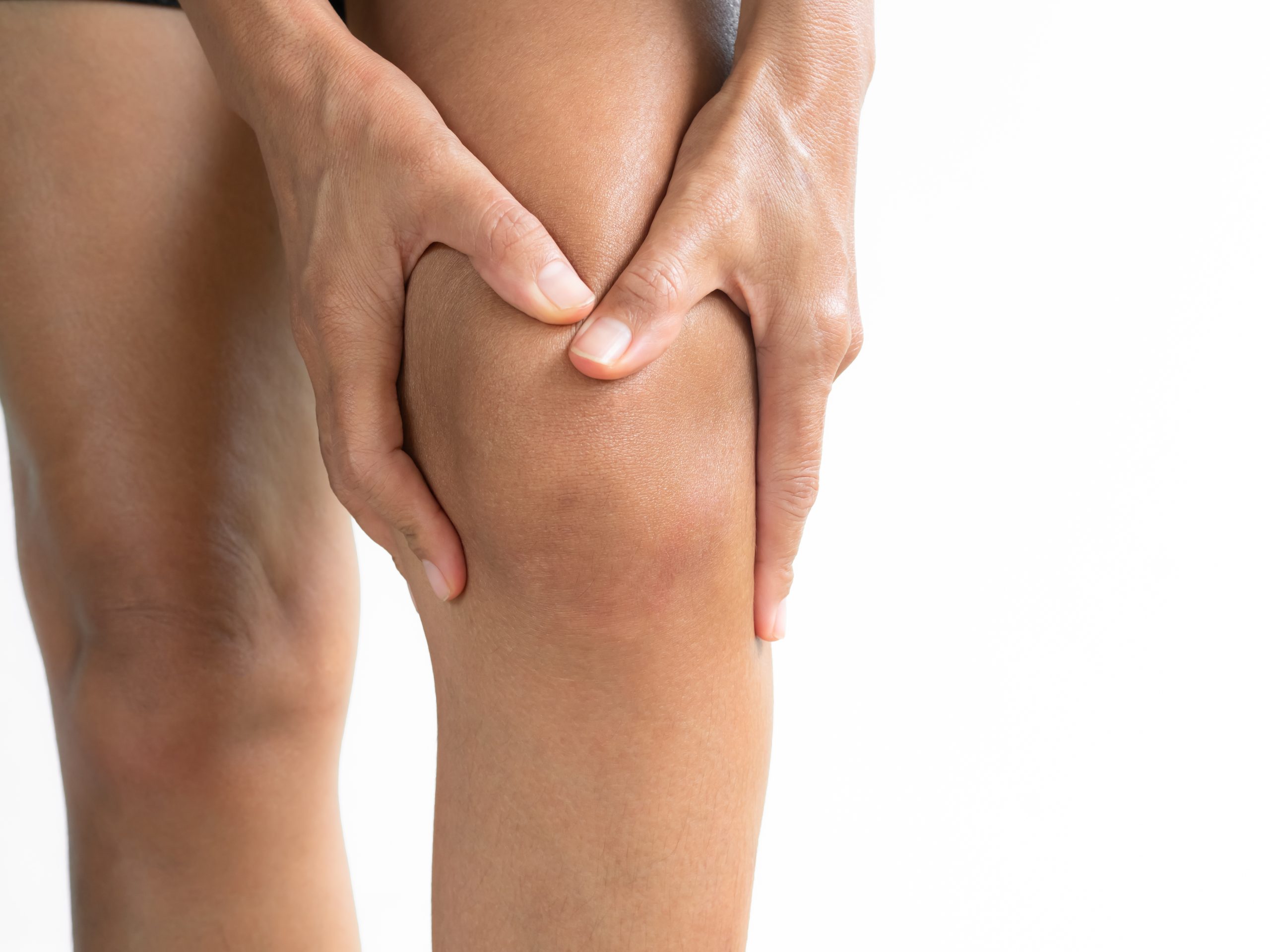
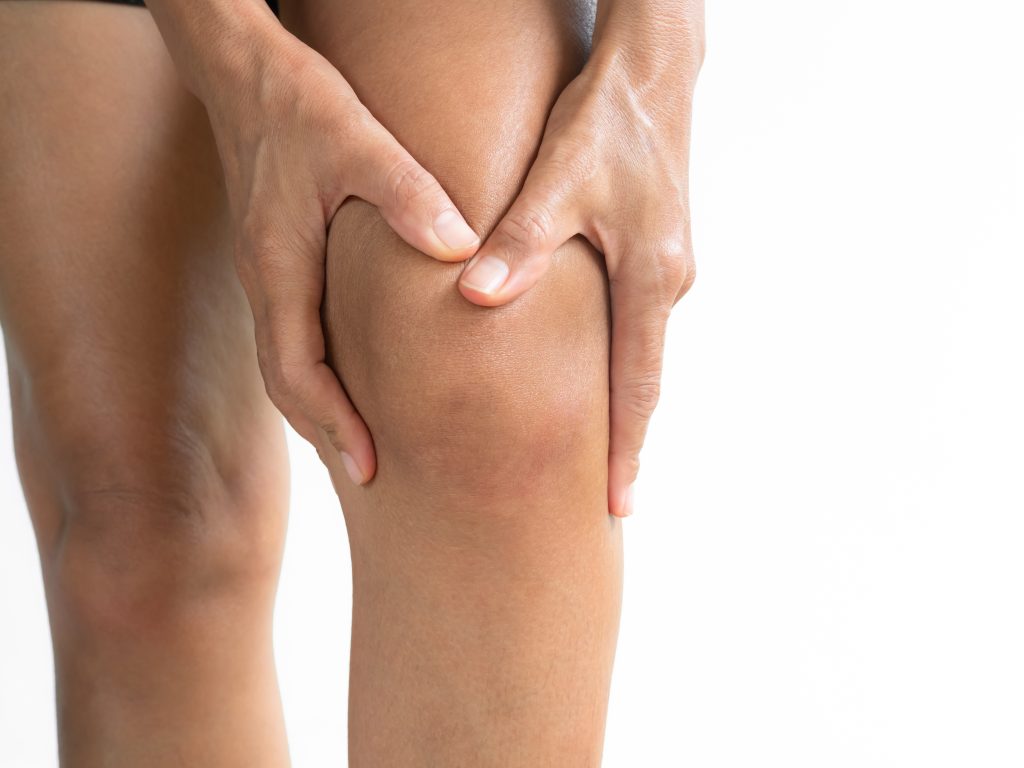
Image of person holding knee in pain

The Key Structures of the Knee Joint

The knee is a hinge joint formed where the femur (thigh bone), tibia (shin bone), and patella (kneecap) meet. While the bones provide the framework, the surrounding soft tissues make movement possible and protect the joint from excessive stress.

Muscles: Powering and Supporting Knee Motion

If you suspect turf toe, look for these signs:
The muscles around the knee play a major role in mobility and alignment. The quadriceps at the front of the thigh help straighten the knee and guide the kneecap, while the hamstrings at the back assist with bending the knee and controlling deceleration during movement. The calf muscles, particularly the gastrocnemius, help with both knee flexion and stability. Even muscles that sit above the knee, the glutes and hip stabilizers, have an enormous influence on knee alignment. Weakness in the hips often causes the knee to collapse inward, creating excess strain on the joint.

Ligaments: Providing Stability and Control

The knee’s ligaments serve as strong stabilizers that prevent excessive movement.

  • ACL (Anterior Cruciate Ligament): Controls rotational stability and prevents the tibia from sliding forward.
  • PCL (Posterior Cruciate Ligament): Prevents the tibia from sliding backward, often injured in high-impact trauma.
  • MCL (Medial Collateral Ligament): Protects the inner knee from inward forces.
  • LCL (Lateral Collateral Ligament): Supports the outer knee and prevents outward bending.

When any of these ligaments are sprained or torn, patients frequently notice instability, pain, or difficulty pivoting or bearing weight.

Your Turf Toe Treatment Plan

The vast majority of turf toe injuries can be treated by our expert team without surgery:

  • Rest and skipping high-impact activities are recommended first
  • Ice therapy and elevation help bring down swelling
  • Specialized taping, bracing, or stiff-soled shoes limit harmful motion
  • Over-the-counter medication (like ibuprofen) reduces inflammation
  • Our in-house physical therapy program supports flexibility and joint recovery

If the injury is severe, a walking boot, cast, or surgical repair may be considered, but less than 2% of turf toe injuries at Southeast Orthopedic Specialists require surgery.

Cartilage: Protecting the Joint and Absorbing Shock

Cartilage is another crucial component of knee function. The smooth articular cartilage covering the ends of the bones allows them to glide without friction, absorbing shock during impact-heavy activities like running or jumping. Deeper within the joint, the medial and lateral meniscus act as C-shaped shock absorbers that cushion the knee and help distribute weight evenly. Because these structures endure significant pressure and twisting forces, meniscus tears and cartilage damage are among the most common causes of knee pain.

How These Structures Work Together

For the knee to work efficiently:

  • Muscles create movement and alignment
  • Ligaments maintain stability
  • Cartilage cushions impact and prevents friction

When muscles, ligaments, and cartilage all function properly, the knee moves fluidly and maintains strength during even the most demanding activities. But when one structure becomes strained, weakened, or injured, the entire system is affected. Pain, swelling, stiffness, catching, or instability often follow. That’s why understanding knee anatomy is so important as it empowers patients to identify symptoms early and get the right treatment before the injury progresses.

“At Southeast Orthopedic Specialists, we emphasize the importance of understanding how the knee works because it helps patients recognize issues sooner and take control of their joint health. When we identify the exact structure causing pain, whether it’s a ligament, muscle, or cartilage, we can tailor a treatment plan that restores long-term stability and function. Early evaluation often leads to better outcomes and fewer long-term complications.”

– Dr. Colin Murphy, Sports Medicine Specialist at Southeast Orthopedic Specialists

Why Knee Anatomy Matters for Your Health

At Southeast Orthopedic Specialists, our team uses advanced imaging, detailed physical exams, and personalized treatment planning to identify the exact source of knee pain and restore optimal function. Whether you’re dealing with a sports injury, chronic knee discomfort, or sudden instability, we’re here to help you get back to moving comfortably and confidently.
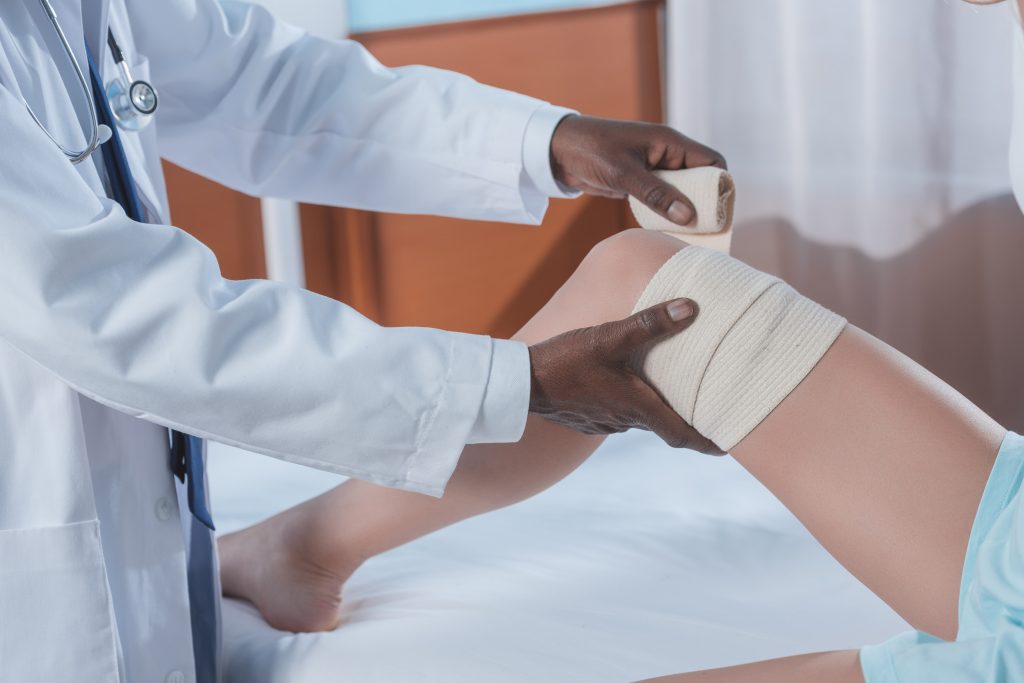

 

Northeast Florida Guide to Meniscus Tears 

SOS Meniscus Tear

If you’ve ever twisted your knee while playing volleyball, slipped on a wet dock, or crouched down too quickly around the house, you know knee injuries can happen quickly. One of the most common and painful ones can be a meniscus tear.  

Northeast Florida offers beautiful, year-round weather so staying active is almost part of everyday life and unfortunately, these injuries occur more often than you might think. That’s why many locals turn to Southeast Orthopedic Specialists for expert diagnosis and treatments tailored to our community’s active lifestyle. 

SOS Meniscus Tear

What Exactly Is a Meniscus Tear? 

Think of the meniscus as a C-shaped cushion of cartilage inside your knee joint. Each knee has two menisci: one on the inside (medial) and one on the outside (lateral). They help absorb shock, stabilize the joint, and keep your joints moving smoothly. 

A meniscus tear happens when this cartilage gets damaged, usually from a sudden twist or from repetitive wear and tear over time. Athletes see it a lot, but so do older adults since cartilage weakens as we age. 

Common Causes of a Meniscus Tear 

In Florida, the causes often tie back to lifestyle. Some of the most common causes include: 

  • Sports-Related Injuries: Twists, pivots, and sudden stops during soccer, basketball, or tennis. 
  • Everyday Activities: Bending down to grab a beach cooler, running after kids, or lifting heavy groceries. 
  • Age & Wear: Degenerative meniscus tears are common for people over 40, especially with arthritis. 

“A torn meniscus is one of the most frequent knee injuries doctors see, affecting roughly 500,000 Americans every year. These injuries can certainly disrupt your quality of life. However, not every meniscus tear requires surgery. I certainly try to treat these injuries conservatively initially and only offer surgery when necessary to restore appropriate knee function.”  

Aaron Bates, MD, Sports Medicine and Arthroscopy, Southeast Orthopedic Specialists 

How Meniscus Tears Are Diagnosed and Treated 

When you head to the doctor with knee pain, the first step is usually a physical exam to check your knee’s movement, as well as swelling, and tenderness. From there, imaging may be used to confirm the diagnosis. An MRI is the most reliable option for spotting cartilage damage, while an X-ray helps rule out bone issues. In some cases, a knee arthroscopy allows the doctor to actually look inside the joint with a tiny camera. 

Treatment depends on the type of tear, its location, and your active lifestyle. For mild injuries, simple methods such as the RICE method – Rest, Ice, Compression, and Elevation – can be enough, while physical therapy is often recommended to rebuild strength and stability. Knee braces and anti-inflammatory medications may also help manage pain and support healing. If the injury is more serious, surgical options such as arthroscopic repair or meniscectomy (removing all or part of the damaged meniscus) are available and can be very effective.  

“According to Johns Hopkins Medicine, about 40% of meniscus tears can heal without surgery, especially smaller ones in areas with good blood supply.”  

– Patrick Jones, MD, Sports Medicine, Southeast Orthopedic Specialists 

Recovery Time: What to Expect 

Recovery time for a meniscus tear can vary depending on the type of injury and the treatment approach. For those who don’t require surgery, healing typically takes about six to eight weeks with proper rest and physical therapy (PT). However, if surgery is necessary, especially for larger or more complex tears, the recovery and rehabilitation process can extend to three to six months before returning to full activity. 

“For Floridians, PT often includes water-based therapy, due to local access to pools. The buoyancy reduces stress on the joint and speeds healing,” said Dr. Jones. 

With the right recovery plan, you can absolutely return to the activities you love. 

Tips for a Successful Recovery: 

  • Try swimming or paddleboarding for low-impact exercise 
  • Replace running on hard pavement with jogging trails or treadmills 
  • Keep up with strength training to protect the knees from future injuries 
  • Don’t skip stretching, tight hamstrings and quads stress your knee joint 

Final Thoughts on Meniscus Tears 

A meniscus tear may stop you from loving your favorite activities in Florida but with early treatment, smart recovery, and a little patience, most people heal and regain full mobility. 

An early diagnosis can make the recovery process much smoother. If your knee pain has you sidelined, don’t wait it out. Schedule an appointment with a SOS specialist today and start your journey back to pain-free living. 

Understanding Knee Pain and How Southeast Orthopedic Specialists Can Help

Knee Pain Treatment Specialist Exam's Orthopedic Patient

Knee pain is a common issue that affects individuals of all ages. Whether it’s caused by injury, arthritis, or overuse, knee pain can significantly impact your daily life and activities. In St. Augustine, many individuals are seeking expert treatment to alleviate their knee pain and improve their quality of life. 

Knee Pain Treatment Specialist Exam's Orthopedic Patient

The good news is that Southeast Orthopedic Specialists, with its specialized team of knee pain specialists, offers a variety of treatment options to help you keep life in motion.

What Causes Knee Pain?

Knee pain can result from several factors, including injury, chronic conditions like arthritis, or wear and tear from age or sports activities. Some of the most common causes include:

  • Arthritis: Both osteoarthritis and rheumatoid arthritis can lead to knee pain and stiffness, making movement difficult.
  • Sports Injuries: ACL tears, meniscus injuries, and patellar tendinitis are common among athletes.
  • Overuse: Repetitive movements or prolonged activity can lead to knee pain, especially in those who engage in physical labor or sports.
  • Bursitis: Inflammation of the small fluid-filled sacs in the knee can cause swelling and discomfort.

Knee Pain Treatment Options at Southeast Orthopedic Specialists

At Southeast Orthopedic Specialists, we understand that knee pain can be debilitating, which is why we offer comprehensive, customized treatment plans tailored to your unique needs. Our team of knee pain specialists in St. Augustine is dedicated to providing advanced care that focuses on long-term relief and recovery.

Non-Surgical Knee Pain Treatments
We offer a variety of non-invasive treatments for knee pain, including:

  • Physical Therapy for Knee Pain: Our physical therapists work with you to develop personalized exercise programs designed to strengthen the muscles around the knee and improve mobility.
  • PRP Therapy for Knee Pain: Platelet-rich plasma (PRP) therapy utilizes your body’s own healing properties to promote tissue repair and reduce inflammation, especially in cases of arthritis or soft tissue injuries.
  • Knee Braces: Custom knee braces provide support and stability, helping alleviate pain and protect the joint during daily activities.
  • Pain Management Solutions: From injections to targeted therapies, we offer treatments that focus on reducing inflammation and managing chronic knee pain.

Surgical Options
For more severe cases, our orthopedic knee surgeons are skilled in minimally invasive procedures such as knee arthroscopy and joint replacement, ensuring a swift recovery with optimal results.

Why Choose Southeast Orthopedic Specialists for Knee Pain Relief in St. Augustine?

Southeast Orthopedic Specialists stands out as a leading provider of orthopedic care in St. Augustine, offering specialized knee pain treatment that helps patients get back to their active lifestyles. Our comprehensive approach includes:

  • Expert Specialists: We have some of the top knee specialists in St. Augustine, with extensive experience in diagnosing and treating all forms of knee pain.
  • Cutting-Edge Treatments: We offer advanced treatment options like PRP therapy and custom knee braces to give you the best chance at a full recovery.
  • Personalized Care: At [Southeast Orthopedic Specialists], we focus on delivering one-on-one attention to ensure you receive the best care tailored to your needs.

Preventing Knee Pain: Tips for a Healthy, Active Life

Prevention is key when it comes to knee pain. By following these simple tips, you can reduce your risk of developing knee issues:

  1. Maintain a Healthy Weight: Excess weight can put additional stress on your knees, leading to pain and joint damage.
  2. Strengthen Leg Muscles: Regular exercise to strengthen the quadriceps and hamstrings can help stabilize the knee joint and prevent injuries.
  3. Avoid Overuse: Rest and recovery are important, especially if you engage in repetitive activities or sports.
  4. Use Proper Footwear: Shoes that provide proper support can help prevent knee stress, especially if you’re involved in physical activities.

Southeast Orthopedic Specialists: Your Partner in Knee Pain Relief

If you’re experiencing knee pain or want to prevent injury, Southeast Orthopedic Specialists is here to help. We specialize in Orthopedics, Sports Medicine, Joint Replacement, Spine, Neurology, and Physical Therapy. Look to the physicians at [Southeast Orthopedic Specialists] for one-on-one attention, with a focus on helping you Keep Life In Motion.

Schedule an appointment online or call 904-634-0640 today to take the first step toward knee pain relief and improved mobility.

The Form and Function of Each Ligament in Your Knee

The knee is one of our most critical joints for walking and playing sports, but it is also highly vulnerable. As a hinge joint, the knee is meant only to move in one direction. Blows from the front or sides, twisting and other movements can cause stretching or tearing of the knee ligaments. Understanding the anatomy of the knee can help you understand the origin of common knee injuries and how to avoid them.

(more…)

Are Kids’ “Growing Pains” Real?

Many parents report that their kids wake them in the middle of the night complaining of limb pain. The idea behind these “growing pains” makes sense: as the theory goes, the process of bone elongation can trigger aches and pains in young children who are growing rapidly. According to our orthopedic doctors at Southeast Orthopedic Specialists, however, the scientific research does not support the idea that kids’ “growing pains” are truly due to body growth. (more…)

Close
Close

Schedule an Appointment

Loading...
Get the Care You Need, When You Need It.

You now have the ability to schedule an appointment online any time with our orthopedic surgeons and specialists. Our intelligent system connects you to the right doctor in the right setting at the right time. Schedule your appointment online above!
*Providers will be recommended based on specialty and best availability. If you would prefer to schedule an appointment with a provider of your choice, please call us at 904-634-0640