
If you have a shoulder injury, all you can think about is doing whatever it takes to make it better. And the first step in doing that is knowing what type of shoulder injury you have. One of the most common types of shoulder injuries is a rotator cuff injury, which in many cases will require surgery.

What is a Rotator Cuff Injury?

Your rotator cuff is where your shoulder is attached to your body via tendons. A rotator cuff injury is when those tendons are pulled away from the head of your humerus or upper arm bone.

Several Reasons Why You Might Need a Rotator Cuff Surgery

There are several diseases that could result in a rotator cuff injury, such as tendinitis (also called tendonitis) and bursitis. Or, repetitive motions, poor posture, aging and anything else that has you keeping your arm in the same position for long periods of time. When your shoulder injury can’t be healed using rest, ice, heat, anti-inflammatory medicines and physical therapy, you should consider finding a shoulder surgeon because you may need rotator cuff surgery.

Southeast Orthopedic Specialists has 13 Board Certified physicians at six different locations throughout Northeast Florida. Please feel free to Contact Us today for more information. We would be happy to talk with you about any type of shoulder pain you might have. Then we can go over your options and make a recommendation based on your needs.

The Different Types of Rotator Cuff Surgeries

There are several different types of rotator cuff surgeries such as:

  • Open Rotator Cuff Surgery. This is an open incision that’s made over the shoulder. And this method is recommended for people with large or difficult tears. Or those who need any type of reconstruction procedure.
  • Arthroscopic Rotator Cuff Surgery. This method is an outpatient surgery and is generally used for those with small- to medium-sized tears (3 cm or smaller) and is the least invasive out of all types of rotator cuff surgeries.
  • Mini-Open Rotator Cuff Surgery. This method is a combination of both the arthroscopic and open surgery techniques. However, it is less invasive than an open repair and is recommended for those who have torn more than one of their rotator cuff tendons.

How to Decide Which Type of Surgery is Best for You

It’s always best to consult with a shoulder surgeon if you want to make an educated decision about which rotator cuff surgery is best for you. Your surgeon’s recommendation will be based on the size of your tear, your body structure and the condition of your tendons, tissues and bones
What is a Rotator Cuff Injury?

If you have a shoulder injury, all you can think about is doing whatever it takes to make it better. And the first step in doing that is knowing what type of shoulder injury you have. One of the most common types of shoulder injuries is a rotator cuff injury, which in many cases will require surgery.

What is a Rotator Cuff Injury?

Your rotator cuff is where your shoulder is attached to your body via tendons. A rotator cuff injury is when those tendons are pulled away from the head of your humerus or upper arm bone.

Several Reasons Why You Might Need a Rotator Cuff Surgery

There are several diseases that could result in a rotator cuff injury, such as tendinitis (also called tendonitis) and bursitis. Or, repetitive motions, poor posture, aging and anything else that has you keeping your arm in the same position for long periods of time. When your shoulder injury can’t be healed using rest, ice, heat, anti-inflammatory medicines and physical therapy, you should consider finding a shoulder surgeon because you may need rotator cuff surgery.

Southeast Orthopedic Specialists has 13 Board Certified physicians at six different locations throughout Northeast Florida. Please feel free to Contact Us today for more information. We would be happy to talk with you about any type of shoulder pain you might have. Then we can go over your options and make a recommendation based on your needs.

The Different Types of Rotator Cuff Surgeries

There are several different types of rotator cuff surgeries such as:

  • Open Rotator Cuff Surgery. This is an open incision that’s made over the shoulder. And this method is recommended for people with large or difficult tears. Or those who need any type of reconstruction procedure.
  • Arthroscopic Rotator Cuff Surgery. This method is an outpatient surgery and is generally used for those with small- to medium-sized tears (3 cm or smaller) and is the least invasive out of all types of rotator cuff surgeries.
  • Mini-Open Rotator Cuff Surgery. This method is a combination of both the arthroscopic and open surgery techniques. However, it is less invasive than an open repair and is recommended for those who have torn more than one of their rotator cuff tendons.

How to Decide Which Type of Surgery is Best for You

It’s always best to consult with a shoulder surgeon if you want to make an educated decision about which rotator cuff surgery is best for you. Your surgeon’s recommendation will be based on the size of your tear, your body structure and the condition of your tendons, tissues and bones

What Is an Orthopedic Specialist and How Can They Help You?

If you’re experiencing any kind of joint or back pain, you might be wondering who to turn to. An orthopedic specialist is a medical doctor who focuses on the health of your bones, joints, ligaments, tendons, and muscles. From nagging back pain to a sudden sports injury on the sunny coast of Florida, these specialists can diagnose the root cause of your pain and create a personalized treatment plan to get you back to your life. Your path to recovery could involve physical therapy, advanced non-surgical treatments, or surgery.

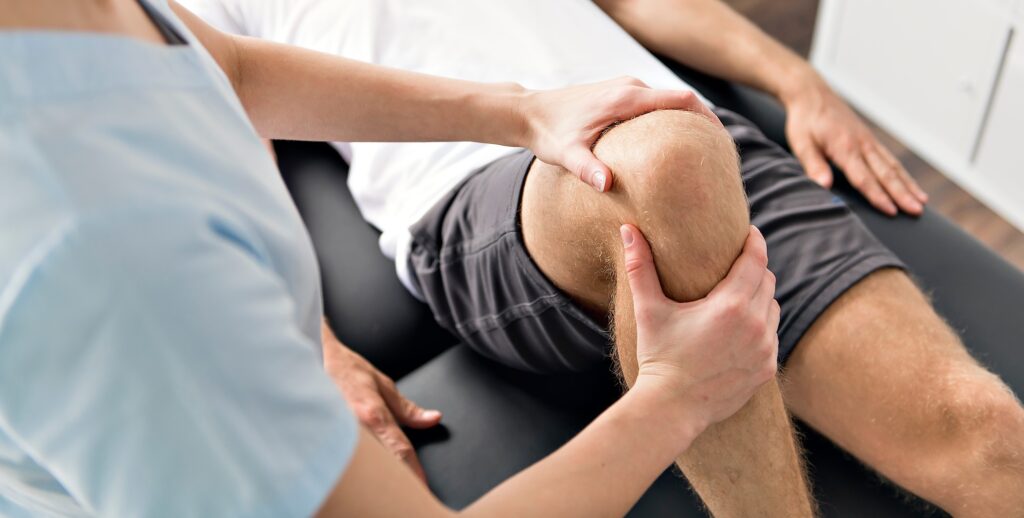
Physiotherapy patients receive expert care by our specialists at Southeast Orthopedics Specialists.
A Patient at the physiotherapy doing physical exercises with his therapist

For residents of Jacksonville, St. Augustine, and across Northeast Florida, understanding what to expect from an orthopedic visit can be the first step toward relief.

What Does an Orthopedic Specialist Do?

An orthopedic specialist, or orthopedist, is an expert in diagnosing and treating a wide range of musculoskeletal issues. This includes everything from chronic conditions like arthritis to acute injuries such as fractures or ligament tears.

Your first visit will typically involve a thorough evaluation. The specialist will ask detailed questions about your pain, your medical history, and your lifestyle. They may also perform a physical exam and order imaging tests like X-rays or an MRI to get a clear picture of what’s happening inside your body. Common issues treated by orthopedic specialists include:

In a region like Northeast Florida, where an active lifestyle is common, from golfing in Ponte Vedra to surfing in St. Augustine, sports injuries are a frequent reason to see an orthopedic specialist.

A Modern Approach to Orthopedic Treatment

The field of orthopedics has advanced significantly since 2017. While surgery is sometimes necessary, orthopedic specialists will often start with non-surgical treatments to help you heal. Seeing an orthopedist doesn’t automatically mean you’ll need an operation.

Your personalized treatment plan will be based on your specific injury, your health, and your goals. Some of the innovative and effective treatment options available today include:

  • Physical Therapy and Exercise: A cornerstone of recovery, physical therapy involves targeted exercises to strengthen muscles, improve flexibility, and restore movement. Many orthopedic practices in the Jacksonville area offer on-site physical therapy for a seamless recovery experience.

  • Advanced Injections: Corticosteroid injections can reduce inflammation and pain. Another option is viscosupplementation, where hyaluronic acid is injected into a joint like the knee to improve lubrication and cushioning.

  • Regenerative Medicine: This cutting-edge field uses your body’s own healing abilities. Platelet-rich plasma (PRP) therapy and stem cell therapy are regenerative treatments that can help repair damaged tissues and may be an alternative to surgery for some conditions.

  • Bracing and Orthotics: Custom devices like braces or shoe inserts can provide support, protect injured areas, and improve alignment to relieve pain.

  • Medication: Your specialist may prescribe anti-inflammatory medications or muscle relaxers to manage pain and aid in your recovery.

  • Minimally Invasive Surgery: If surgery is the best option, orthopedic surgeons now use advanced, minimally invasive techniques. Procedures like arthroscopy use small incisions and a camera to diagnose and treat joint problems, often leading to faster recovery times.

  • Robotic-Assisted Surgery: For procedures like joint replacements, surgeons may use robotic technology to enhance precision and accuracy, leading to better outcomes for patients.

  • 3D Printing: This technology allows for the creation of custom implants and surgical guides tailored to a patient’s unique anatomy.

Finding Orthopedic Care in Jacksonville and St. Augustine

If you’re looking for expert orthopedic care in Northeast FloridaSoutheast Orthopedic Specialists can work with you to find the best course of treatment for your individual needs. With multiple locations, including in Jacksonville and a growing presence in St. Augustine, they offer a comprehensive range of services from diagnostics to rehabilitation. Their team of board-certified physicians covers every orthopedic and spine specialty, utilizing the latest technologies to provide top-quality care.

Signs That Your Sports Injury May Be Serious

Sometimes a serious sports injury is easy to spot, but acute sports injuries are not always immediately apparent. What begins as a minor ache following a rough game or a difficult workout can quickly progress into a debilitating and long-lasting impairment. Spotting the warning signs that you have a serious sports injury is key to seeking and receiving proper and prompt medical attention. If you are experiencing any of the following signs, please treat your injury as serious and consult an orthopedic doctor immediately.

Pain

Often the most common sign of an acute sports injury is also the most obvious. Pain in the joints of your knees, ankles, elbows or wrists following intense exercise or contact sports can be the first indication that something is wrong, particularly if you are still experiencing pain more than 48 hours after the initial injury.

Tenderness

An important indication that your sports injury is in need of medical attention is pain or tenderness when pressure is applied to the afflicted area. One of the easiest ways to test for tenderness is to press the same place on both sides of your body; if you don’t feel pain on the non-injured side, you have a clear signal that something is wrong.

Swelling

Swelling is sometimes visually obvious, but it isn’t always easy to spot swelling, particularly at a joint. Joint pain and stiffness or clicking when you bend your afflicted joint are non-visual signs that the area is swollen.

Limited Range of Motion

A reduced ability to move or bend your injured joint is another sign of swelling in the area and an indication of an underlying serious injury. As when checking for tenderness, compare the range of motion between the injured and non-injured sides of your body; if one side has limited movement, a serious injury could be present.

Numbness

Lastly, tingling or loss of sensation in the injured area is one of the most significant signs of a serious injury. This symptom can signal nerve compression in the injured area, and any numbness is a sign of a sports injury that should be immediately examined by a doctor.

Contact Our Sports Medicine Specialists

If you are experiencing signs of a serious and acute sports injury, getting prompt medical attention is key for avoiding serious damage or a long-term debilitating condition. The sports medicine experts at Southeast Orthopedic Specialists can provide you with the care you need. To schedule an appointment with an orthopedic specialist, please contact us at (904) 634-0640 or request an appointment online.

Nonoperative Spine Care Treatment Options

If you’re suffering from chronic back pain, there are a number of options available for relief that don’t require an orthopedic surgeon. Back and neck pain are common complaints for many people. Often these conditions can be treated in minimally invasive ways with different lifestyle changes, acupuncture, medications, or physical therapy. The spine specialists at Southeast Orthopedic Specialists can evaluate your condition and help determine the best course of action for your optimal health and relief from pain.

Nonoperative treatment options provide the first course of action for many conditions. Back pain can be extremely frightening because it limits your mobility and comfort in such an extreme way. Patients sometimes don’t realize the number of options they have in terms of noninvasive treatment.

Nonoperative Spine Treatment Options

There are a number of pain treatment options that can alleviate pain and return you to your normal standard of living in a relatively short time. These often break down into two categories:

  • Physical Therapy
  • Medication

Within these two categories, there are a great many different options and often patients will find relief with a combination of treatments. Some patients may experience good results with a medication in conjunction with lifestyle changes, such as exercise. Often exercise and physical therapy offer patients a long lasting advantage in diminishing recurrences.

Physical Therapy Can Include:

  • Manual Manipulation by a Trained Physical Therapist.
  • Acupuncture.
  • Exercise.
  • The Use of Braces.
  • Massage.
  • Heat and Ice

Medications May Include:

  • Anti-inflammatory Drugs. This is often the first line of defense in any type of pain and can provide some relief for those with minor injury.
  • Steroid Injections. These can offer relief for a prolonged period of time.
  • Stronger Pain Medications. Stronger pain medications can be prescribed for chronic sufferers.
  • Stem Cell Therapy. Stem Cell Therapy offers the cutting edge advancements in regenerative therapy options.
  • Muscle Relaxers. Muscle relaxants can often offer some relief for those with minimal pain while healing takes place.

Depending on your injury, your spine care specialist may recommend a few different options. In some cases, surgical solutions offer the best long term improvement, but many cases will heal over time with proper treatment.

If you’re experiencing mild to severe back pain and would like a consultation with a Jacksonville orthopedic specialist, contact the Southeast Orthopedic Specialists today.

Orthopedic Specialist Role in Therapy and Recovery?

According to the American Academy of Orthopedic Surgeons, an orthopedic specialist has a medical focus on injuries and diseases of the musculoskeletal system, a system encompassing bones, joints, tendons, ligaments, muscles and nerves. Such injuries can interfere with how a patient feels and moves. Injuries and pain can prevent a person from performing routine activities. Learn more about how an orthopedic specialist helps patients during therapy and recovery.

What Does an Orthopedic Specialist Do?

An orthopedic specialist will help manage a musculoskeletal issue and will assist in the diagnosis, treatment, rehabilitation and prevention of future conditions. Many orthopedic specialists choose to specialize in a certain area. There are specialists for the foot and ankle, hip, spine or knee. Others may work in a specific field such as sports medicine, trauma or pediatrics. Orthopedic specialists at Southeast Orthopedic Specialists offer patients a variety of specialties. Review members of the staff to find a friendly and suitable team member dedicated to addressing your specific orthopedic needs.

What Options Do Orthopedic Specialists Offer?

There are many treatments and rehabilitation options available at Southeast Orthopedic Specialists. Surgical and non-surgical approaches are available and recommendations are given after a thorough assessment. Options include:

  • Stem cell therapy. This type of therapy is offered at the Beaches location. Stem cell therapy is used in combination with traditional orthopedic approaches to offer new ways to provide pain relief and stimulate the body’s healing process. Injections of carefully extracted and prepared cells help heal injured cells and tissues and nourish a target area.
  • Joint replacement. Patients with severe to moderate arthritis may opt for joint replacement surgery to provide pain relief and restore function in a joint. Patients can have total replacement surgery that can keep them pain-free for decades.
  • Emergency orthopedic care. An Emergency Orthopedic Program treats patients with fractures and traumatic injuries. After a thorough evaluation, an orthopedic specialist develops a personalized treatment program for the needs of a patient. Treatment recommendations may include medication, casts, splints, surgery or physical therapy.
  • On-site rehabilitation. Each of the six on-site physical therapy departments provides patients with quality care in the form of therapists trained in orthopedic manual physical therapy, state-of-the-art equipment and large treatment areas. Therapists partner with surgeons to enhance patient outcomes.

Contact An Orthopedic Specialist

Southeast Orthopedic Specialists has offered the most comprehensive care available to the Northeast Florida community since 2001. Patients choose from a team including 13 board certified physicians and six convenient locations. Contact a friendly associate to learn how an orthopedic specialist can address your concern.

What You Should Know About Rheumatoid Arthritis and Joint Pain

Rheumatoid arthritis is an autoimmune disease. The immune system attacks the body’s tissues and it can lead to inflammation, joint pain and stiffness. When inflammation continues, it can become of a disease process and lead to joint damage. Pain and swelling occurs in the lining of the joint known as the synovium. A healthy synovium produces fluid that lubricates the joints in areas like the hips, knees and fingers.

The Effects of Rheumatoid Arthritis

Rheumatoid arthritis is a progressive disease. After the onset of rheumatoid arthritus, damage can occur within three months and result in joint pain. This can eventually lead to disability. Rheumatoid arthritis may be influenced by:

  • Genes
  • Environmental factors
  • Infection
  • Hormonal changes

How an Orthopedic Surgeon Can help Rheumatoid Arthritis

An orthopedic surgeon specializes in musculoskeletal issues, including rheumatoid arthritis. An orthopedic surgeon is trained to perform surgery on joints and muscles. If your joints are damaged, an orthopedic surgeon will be able to perform a joint replacement. They also focus on diagnosis, treatment and management of musculoskeletal issues. Sometimes, medications can slow down the progression of rheumatoid arthritis and help relieve joint pain. The main reasons to choose surgery for rheumatoid arthritis are to help improve mobility and to get relief from pain. It’s wise to speak with both a rheumatologist and an orthopedic surgeon to help determine what type of treatment is best for rheumatoid arthritus.

If you have rheumatoid arthritis, it’s the hip or knee joints that are most often replaced. An orthopedic surgeon takes out the affected part and inserts an artificial joint in its place. Depending on your weight, health and age, a replaced joint can last more than 20 years. Before surgery, your surgeon may stop some of your medications and have you give blood in case you need it during surgery.

Southeast Orthopedic Specialists has trained and experienced orthopedic surgeons that offer the best of care. State-of-the-art methods are used, and there is excellent post-operative care. Physical therapy is also offered for rehabilitation after surgery. The team of orthopedic surgeons are nationally recognized Total Joint Replacement Specialists who have performed more joint replacements than anyone else in Northeast Florida. If your suffering from rheumatoid arthritis, give them a call for a one-on-one consultation.

What Is A Frozen Shoulder?

Frozen shoulder is also called adhesive capsulitis. It’s a common condition where the articular shoulder capsule stiffens and swells. It refers specifically to the shoulder joint. The shoulder has a ball and socket joint, and the proximal humerus fits into the shoulder blade. Frozen shoulder is believed to cause the formation of scar tissue in the shoulder, causing pain and loss of movement.

Risk Factors and Symptoms of Frozen Shoulder

Common risk factors include:

  • Those over 40 years of age
  • Being female
  • Arm fracture or recent surgery
  • Hyperthyroidism
  • Hypothyroidism
  • Heart disease
  • Diabetes
  • Parkinson’s disease

The most common symptoms of frozen shoulder are pain and stiff shoulder joints. The symptoms typically develop gradually and in three stages. In the painful stage, there is pain in the shoulder, limited movement and stiffness. In the adhesive stage, the shoulder becomes increasingly stiff. In the thawing stage, movement improves. Sometimes, frozen shoulder should will go away on its own. But, when it doesn’t, it’s time to contact a medical professional.

Diagnosis and Treatment of Frozen Shoulder

Diagnosis is typically determined by symptoms and a basic test by a doctor who presses certain parts of the shoulder. X-rays and MRIs can show structural problems with a frozen shoulder. Over-the-counter meds like aspirin and ibuprofen can help relieve pain due to frozen shoulder. Exercise may help reduce stiffness, and hot or cold compresses can help reduce inflammation and stiffness. Corticosteroid injections into the shoulder joint can help alleviate pain associated with frozen shoulder. A shoulder surgeon or orthopedic surgeon can perform a shoulder arthroscopy. During this procedure, a small tube is inserted into the shoulder joint to remove scar tissue or adhesions.

Southeast Orthopedic Specialists has a team of shoulder surgeons who can perform surgery to help alleviate pain and loss of function from frozen shoulder. They also have trained physical therapists to provide patients with a hands-on approach to treating frozen shoulder. Their therapists work very closely with the patient and shoulder surgeon for the best outcome.

If you’re suffering from frozen shoulder, call Southeast Orthopedic Specialists for an evaluation. You’ll receive a one-on-one consultation to determine the best course of treatment. They’ve helped many others and can help get you on the road to recovery.

What Causes Tendonitis and How Is It Treated?

Tendonitis is a condition where a tendon has become inflamed. It can occur in the knee, shoulder, heel, elbow and more. Often, it is cause by an overuse of the tendon or injury. This is why tendonitis is a common sports injury. It’s common in active adults. Some of the most common types of tendonitis are golfer’s elbow, swimmer’s shoulder, tennis elbow and pitcher’s shoulder.

Symptoms and Causes of Tendonitispainful tendonitis in shoulder

Tendonitis symptoms happen at the spot where the tendon is attached to the bone. Symptoms include:

  • Swelling in the tendon that is affected
  • Lump on the affected area
  • Heat and redness at the injured area
  • Crackling feeling when the tendon is moved
  • Gap where the tendon should be

Often, tendonitis happens when a movement is repeated again and again. And if the tendon tears, inflammation is likely to happen. There are several risk factors for tendonitis. Certain types of jobs with repetitive movements can cause it. Tendons start to lose their flexibility with age, which means it’s more likely for them to incur an injury. Sports like baseball, swimming, tennis, golf and running can cause tendonitis. Diabetes also puts one at risk for tendonitis, although it is not fully understood why. Those with rheumatoid arthritis are more likely to develop tendonitis.

Treatment Options for Tendonitis

There are various treatment options for tendonitis. The most common treatment is elevating the area, wrapping it and getting rest. Medications like aspirin and ibuprofen can help reduce the pain. Using an ice pack can also help. Other tendonitis treatment options include ultrasound treatment, electrical treatment, stretching and strengthening exercises and massaging the tissue around the injured tendon. Treatment can be provided by an orthopedic specialist or a physiotherapist.

At Southeast Orthopedic Specialists, patients suffering from different causes of tendonitis can be successfully treated by a physiotherapist or an orthopedic specialist. This facility has a team of fellowship-trained orthopedic specialists. It’s a unique facility that provides the diagnosis, treatment and surgery for musculoskeletal conditions. It has a sports medicine team consisting of specialists like trained physical medicine physicians and knee specialists. If you’re suffering from tendonitis, give Southeast Orthopedic Specialists a call today for a one-on-one consultation. It’s the first step toward your recovery. They’ve helped many others and can help you too.

When to Consult a Doctor About Bunions

A bunion is a deformity of the metatarsophalangeal joint of the big toe. As a bunion develops, the first metatarsal bone of the foot turns outward and the big toe points inward. Eventually, the fluid-filled sac that surrounds the joint becomes inflamed. This causes the joint to become painful and stiff.

The Causes of Bunions

Wearing shoes with narrow toes can cause a bunion, and high heels can make the problem worse. This is why bunions are much more common in women than men. But, the main cause of bunions is hereditary. Some people with a certain foot shape and structure are more prone to bunions. Loose joints, flat feet and low arches can all increase the risk of developing bunions. Occupations which involve a lot of standing can result in bunions. Women can develop bunions during pregnancy due to changes in hormonal levels that loosen ligaments and flatten the feet. Lastly, bunions are associated with arthritis due to cartilage damage within the joint.

When It’s time to Consult an Orthopedic Doctor

Conservative treatment of a bunion includes wearing good athletic shoes, wearing a gel-filled pad, cortisone injections, warm soaks and ibuprofen. When conservative measures fail and there is pain and interference with daily activities, it’s time to consult an orthopedic doctor. Surgery may be needed to restore the toe back to its normal position. The purpose of surgery is to eliminate the bony protuberance and realign the joint. There are more than 100 surgical procedures to eliminate a bunion. An orthopedic doctor will take x-rays to help classify the bunion according to its severity. If the bunion is mild, the most common procedure is a bunionectomy. With the procedure, the enlarged portion is shaved off. If the bunion is moderate, it may be required to cut the bone to shift it back to its proper position.

If you have a bunion that is causing pain and limiting your daily activities, turn to Southeast Orthopedic Specialists for help. They’ve helped many others eliminate pain and return to their normal activities due to bunion problems. Their doctors are trained specifically in foot problems. Upon an evaluation, you’ll be given the best course of action to take. Give them a call today.

Rehabilitation After Achilles Tendon Surgery

Following Achilles tendon surgery, immobilization of the affected foot is essential. Immobilization can last up to 12 weeks. During this time, patients receive either a walking boot or cast designed to provide support and prevent movement.

How quickly a patient progresses with his or her rehabilitation varies. At Southeast Orthopedic Specialists, our patients receive personalized treatment plans. These plans are created by his or her orthopedic specialist. If you have sustained an injury to your Achilles tendon, contact our office today. We are dedicated to helping you regain your range of motion and strength so you can continue participating in the activities you enjoy.

Rehabilitation Program Guidelines

Weeks 1 through 8

Throughout this initial recovery period, patients need to avoid exercising their foot. This ‘rest’ period aids the Achilles tendon as it heals. Many patients find that doing something positive during their eight-week, limited-mobility period assists them in coping with this less-active lifestyle. For example, purchase a few photo albums and go through that old box of photos in the attic.

What to Expect After the Initial 8 Weeks

Flexibility and Range of Motion

  • In order to relieve the pressure being placed on the Achilles tendon, heel raises of 1 to 2 cm will be placed in the patient’s shoes.
  • Active stretching of the Achilles tendon may begin. This involves pulling the toes upwards. Initially, this stretching must be gentle, gradually building up over time. If these stretches are painless, passive stretches can begin. A passive stretch involves the assistance of an individual or a physical therapy tool during the stretching process.
  • The orthopedic specialist may order ultrasound therapy.
  • Once the patient’s full range of motion is re-established, gradual strengthening exercises can begin.
  • After an individual experiences a ligament or tendon rupture, his or her sense of positioning and balance may decrease: If these skills are not regained, future injuries are possible. Therefore, at this point, balancing exercises will be included in the patient’s physical therapy routine.
  • Sports massage may be used to improve blood flow and to help the muscles relax.

Strengthening Exercises for the Calf Muscles and Achilles Tendon

  • Strengthening the Achilles tendon as opposed to re-injuring it during these exercises requires the assistance of a knowledgeable orthopedic specialist and physical therapist.
  • When the exercise program is initiated, some pain should be expected. However, if the pain is excruciating, exercises should be discontinued.
  • Strengthening exercises should be performed following a gentle warm-up and stretching session. Warming up the muscles can be accomplished by raising the heels up and down while in a seated position.
  • As each day passes, the pain level should continue to decrease.
  • Even as the pain subsides, the level of exercise should not be increased without direction from the orthopedic specialist.
  • Directly following exercise, cold therapy can be implemented to control inflammation.
  • Exercises to maintain flexibility must also be continued.

 Returning to Fitness

After a week without any pain, patients can gradually begin to return to their pre-surgical training routine. However, if pain starts, training must stop. Prior to a training session, patients need to warm up their muscles. This can be done by stretching and then walking. At Southeast Orthopedic Specialists, the majority of our patients are ready to return to their sport within 9 months of their Achilles tendon surgery.

Close
Close

Schedule an Appointment

Loading...
Get the Care You Need, When You Need It.

You now have the ability to schedule an appointment online any time with our orthopedic surgeons and specialists. Our intelligent system connects you to the right doctor in the right setting at the right time. Schedule your appointment online above!
*Providers will be recommended based on specialty and best availability. If you would prefer to schedule an appointment with a provider of your choice, please call us at 904-634-0640