Summer is full of activities for many people. Unfortunately, for some people, that also means a rise in injuries. Many of these injuries are related to the shoulder. It is important to note that if you do injure your shoulder, you should get some help immediately so that it does not become and even bigger issue later. These are some of the most common shoulder injuries we see in the summer.
Shoulder Strains
A shoulder strain happens when a muscle or tendon in your shoulder is stretched. Some of the signs you may have a shoulder strain include pain, swelling, muscle cramps or spasms and a decreased mobility in your muscle. This happens when the muscle has been stretched too far or too fast. It is often a sudden type of event such as falling, heavy lifting or throwing. You can even experience a chronic shoulder strain from repetitive motions over an extended period of time. This could happen from sports such as golf, tennis or rowing.
Rotator Cuff Injury
The rotator cuff helps to rotate your arm and is a system of muscles and tendon in your shoulder socket. A rotator cuff injury could be a stretching of these muscles or tendons, irritation of the tendons, inflammation in the socket or it could be a complete tear of one or more of the tendons. The rotator cuff is a complex system and injuries are common. Injuries are found more often in athletes or people who use their arms overhead a lot. Some examples of this would be swimmers, construction workers, tennis players, baseball players and even painters.
It is important to seek medical attention when you have any shoulder pain because it could lead to something bigger if left untreated. If you need a consultation or are in need of rotator cuff surgery, be sure to contact us today by calling our office.
Summer is full of activities for many people. Unfortunately, for some people, that also means a rise in injuries. Many of these injuries are related to the shoulder. It is important to note that if you do injure your shoulder, you should get some help immediately so that it does not become and even bigger issue later. These are some of the most common shoulder injuries we see in the summer.
Shoulder Strains
A shoulder strain happens when a muscle or tendon in your shoulder is stretched. Some of the signs you may have a shoulder strain include pain, swelling, muscle cramps or spasms and a decreased mobility in your muscle. This happens when the muscle has been stretched too far or too fast. It is often a sudden type of event such as falling, heavy lifting or throwing. You can even experience a chronic shoulder strain from repetitive motions over an extended period of time. This could happen from sports such as golf, tennis or rowing.
Rotator Cuff Injury
The rotator cuff helps to rotate your arm and is a system of muscles and tendon in your shoulder socket. A rotator cuff injury could be a stretching of these muscles or tendons, irritation of the tendons, inflammation in the socket or it could be a complete tear of one or more of the tendons. The rotator cuff is a complex system and injuries are common. Injuries are found more often in athletes or people who use their arms overhead a lot. Some examples of this would be swimmers, construction workers, tennis players, baseball players and even painters.
It is important to seek medical attention when you have any shoulder pain because it could lead to something bigger if left untreated. If you need a consultation or are in need of rotator cuff surgery, be sure to contact us today by calling our office.
If you’ve recently been told by an orthopedic surgeon that you need foot surgery, then you may be feeling a little nervous or anxious about the procedure. Still, if surgery is your best treatment option, you can rest assured that you’re in good hands at Southeast Orthopedic Specialists. Our experienced surgeons and doctors can provide you with the information and resources you need to prepare for your foot surgery—including valuable tips on recovery and avoiding post-surgical foot pain.
Avoiding and Alleviating Pain After Your Foot Surgery
While no two foot surgeries are alike, there are some general tips and recommendations that our doctor will likely make to help reduce post-surgical pain and ensure a smoother recovery.
For starters, be sure to follow your doctor’s orders when it comes to staying off your feet after foot surgery. The affected foot’s mobility will need to be limited to give it the time it needs to properly heal.
Putting pressure or weight on the foot could result in inflammation and pain, so plan on taking it easy after your procedure and don’t push yourself too hard. If you need to get around, utilize crutches or a wheelchair to do so without applying weight to your healing foot.
In addition to resting your foot, your doctor is also likely to recommend a routine of ice, compression and elevation after the surgery. Specifically, ice works wonders when it comes to reducing swelling and inflammation, which can in-turn relieve pain and discomfort.
Compression may or may not be recommended depending on the specific surgery you had. However, in some cases, compression is ideal for reducing your risk of blood clots, while elevating the foot above hip level can reduce swelling and pain.
For more information on avoiding and/or alleviating pain after your foot surgery, or if you’d like more information on the orthopedic procedures we perform in our office, contact our team at Southeast Orthopedic Specialists today. We’ve been proudly serving the area since 2001.
For many types of injuries, doctors will tell you to either use heat therapy, cold therapy or a combination of the two. It can become very confusing when you are trying to remember which is the best option based on the injury or ailment. These are the most common instances when you should be using cold therapy.
When Cold Therapy Should Generally Be Used
Ice is a great therapy to be used for injuries. This is because the cold will narrow your blood vessels. In turn, this results in preventing a lot of blood from accumulating at the injury site. By preventing this from happening, it will also reduce inflammation and swelling. When there is excess inflammation and swelling, you can also delay the healing process so ice and cold therapy can help speed up your healing as well. When used with elevation, you can further reduce swelling.
What is RICE?
If you have been told to use cold therapy, you have also likely been told to utilize the RICE method. RICE stands for rest, ice, compression and elevation. You should use this kind of treatment for approximately 48 to 72 hours after the injury so you can ease some pain and also reduce the possibility of secondary tissue damage. When using the RICE method, and any other time you want to use cold therapy, you will only want to use ice for 20 minutes every hour. If you use it for longer, you can cause damage to your skin and even run the risk of getting frostbite. This is also why it is important to avoid direct exposure by using a cloth or towel between the ice and your skin.
If you have an injury and would like to get some medical help, be sure to reach out to your Jacksonville orthopedics at Southeast Orthopedic Specialists.
If you’ve suffered an injury, your doctor may say that physical therapy is optional. However, in most cases, physical therapy is essential. It should never be optional for the following reasons.
Faster Recovery
When you have a physical therapist guiding you through your recovery, they help you retrain your muscles and strengthen your movements. Physical therapy exercises are specifically designed to help you regain muscle memory and function, and that helps you heal faster. Ultimately, that means less lost time at work and the ability to get back to your regular routine sooner.
Mental Health Benefits
Injuries can be emotionally draining and stressful, and for many people, they bring on symptoms of depression and despondency. Physical therapists directly address both of these issues by working alongside of you, keeping you motivated through your recovery. In addition, exercise offers direct mental health benefits such as improving sleep, reducing anxiety and depression, and boosting your mood through natural endorphins.
Expert Guidance
Working with a physical therapist is different than exercising on your own or even than going to the gym and working with a personal trainer. At Southeast Orthopedic Specialists, our physical therapists have the training, credentials and experience to create a plan that directly addresses your unique situation.
Our therapists work alongside of you as vested partners in your recovery. They don’t set arbitrary benchmarks but rather customize the program to meet your needs on your path to recovery. That professional guidance isn’t something you can get somewhere else — to learn more contact us today.
Pain Reduction
Pain often becomes part of your life after an accident, but a targeted physical therapy program helps to reduce that. Through specific exercises and passive physical therapy such as electrical stimulation or the application of heat pads or cold packs, physical therapists create a comprehensive reaction to your injury that helps to alleviate pain. In some cases, people even turn to physical therapy for herniated or degenerative discs due to a one time injury or repeated strain.
However, physical therapy isn’t just essential after an injury. It’s also essential if you’ve recently had a surgery. Explore the blog to learn more.
Carrying around a backpack full of books may be great for the mind, but isn’t so great for the spine. Studies have shown that one of the leading causes of back problems in young children is heavy backpacks. For parents, it’s important to be aware of the potential problems that heavy backpacks present.
Why Carrying a Backpack can Cause Back Pain
Carrying around a heavy backpack day in and day out can distort the curve of the spine, leading to irritation of the joints in the spine and muscle strain as the muscles try to compensate for the distortion. In severe instances, a heavy backpack can even cause stress fractures.
In most cases, the pain caused by carrying a heavy backpack is only temporary and will go away on its own with a little rest. However, if your child’s back pain persists you will want to contact an orthopedic specialist to diagnose and treat the condition.
How to Prevent Back Pain Caused by Heavy Backpacks
One of the best ways to prevent back pain caused by carrying around a heavy backpack is to choose the right backpack. You will want to reduce weight by looking for a backpack made from lightweight material. It’s also important to find a backpack that has thickly padded straps and a padded back. Waist straps are also a good way to distribute some of the backpack’s weight to the hips and reduce the load on the back. Lastly, you may want to consider purchasing a backpack with wheels on it so that your child can pull it behind them rather than having to carry it all the time.
Contact A Spine Care Specialist
If your child is suffering from back pain, a heavy backpack may very well be the cause. Thankfully, there are steps that can be taken to help prevent back pain caused by a heavy backpack. If your child’s back pain persist, though, or if it is severe, please contact our spine care specialists today to schedule an appointment.
For patients needing surgery for a broken ankle, one of the biggest risks is a complication called deep vein thrombosis (DVT). This is a serious condition that can occur when a blood clot forms in a vein inside the body. These blood clots typically form in the left leg.
Blood Clot Risk Factors
Some patients have an increased risk of getting DVT following ankle surgery. Some of the most common risk factors include:
A Body Mass Index (BMI) of over 40
A medical history that includes blood clots
A cigarette smoker
Currently receives cancer treatments
Other risk factors may include taking certain types of birth control and having a family history of blood clots. For patients with these risk factors, an orthopedic surgeon may prescribe blood thinners to lessen the chances of developing DVT following surgery.
Blood Clot Prevention
Even for patients who are at a higher risk of getting blood clots following ankle surgery, there are some things that can be done to prevent DVT. Some of these things, such as quitting smoking cigarettes and losing weight, can be done before surgery.
Following surgery, your doctor will help you develop a program that can help to prevent blood clots. Since moving around is one of the best ways to prevent blood clots, this will include lower legs exercises, which helps to increase circulation. Wearing compression stockings and periodically elevating your legs can also help prevent blood clots.
If following ankle surgery, there is persistent pain and swelling, even after the plaster is removed, it’s important to see an orthopedic doctor. These symptoms may indicate an infection or fluid retention. For the swelling, an orthopedic doctor may recommend certain medications or the continued use of compression bandages.
Southeast Orthopedic Specialists team of foot and ankle specialists can perform surgery in the event of a broken ankle and provide excellent follow-up care. Contact us for more information.
We generally don’t stop to consider the structure of our feet until we begin experiencing pain when walking or other signs of a serious foot injury. While the bones in the foot can fracture and the foot’s muscles can experience strains, one of the more common and potentially serious foot injuries are torn ligaments. Ligaments are the strong and flexible tissues that hold the bones throughout your body together; when a ligament tears, the resulting injury is often referred to as a sprain. Depending on the severity of the injury, treatment by an orthopedic surgeon may be required to treat torn ligaments in the foot.
Symptoms of a Torn Ligament in the Foot
Torn ligaments can occur following a range of physical activities from dancing to snowboarding, and several common symptoms can help identify a torn ligament as the cause of your foot pain.
Swelling and bruising will occur at the site of injury.
Pain and tenderness are concentrated on the top, bottom or the sides of your foot near the arch.
Pain intensifies when walking or during other physical activity.
Inability to bear weight on the injured foot.
In order to correctly diagnose a torn ligament, your doctor will usually take an x-ray of your foot to confirm the location and severity of the injury.
Treatment Options for Torn Foot Ligaments
The appropriate treatment for a torn ligament in the foot varies depending on the severity of the injury. Minor sprains resulting from small tears to your ligaments–often referred to as grade I–will generally heal on their own within a few weeks. Large tears to your foot’s ligaments, also known as grade II sprains, need more attention; these moderately severe sprains usually require a splint or cast and can take up to eight weeks to heal. For both minor and moderate sprains, your doctor may provide you with crutches to help limit the pain as your foot heals.
The most severe injuries to the ligaments of the foot involve cases where the ligaments are completely torn or detached from the bones of the feet. For these grade III sprains, foot surgery may be the only suitable treatment.
Do You Need Foot Surgery?
If you suspect that you may have torn a ligament in your foot, receiving prompt medical attention from an orthopedic specialist is the best way to avoid more serious injury. At Southeast Orthopedic Specialists, our skilled medical team can assess your injury and prescribe the appropriate course of treatment.
If you have a shoulder injury, all you can think about is doing whatever it takes to make it better. And the first step in doing that is knowing what type of shoulder injury you have. One of the most common types of shoulder injuries is a rotator cuff injury, which in many cases will require surgery.
What is a Rotator Cuff Injury?
Your rotator cuff is where your shoulder is attached to your body via tendons. A rotator cuff injury is when those tendons are pulled away from the head of your humerus or upper arm bone.
Several Reasons Why You Might Need a Rotator Cuff Surgery
There are several diseases that could result in a rotator cuff injury, such as tendinitis (also called tendonitis) and bursitis. Or, repetitive motions, poor posture, aging and anything else that has you keeping your arm in the same position for long periods of time. When your shoulder injury can’t be healed using rest, ice, heat, anti-inflammatory medicines and physical therapy, you should consider finding a shoulder surgeon because you may need rotator cuff surgery.
Southeast Orthopedic Specialists has 13 Board Certified physicians at six different locations throughout Northeast Florida. Please feel free to Contact Us today for more information. We would be happy to talk with you about any type of shoulder pain you might have. Then we can go over your options and make a recommendation based on your needs.
The Different Types of Rotator Cuff Surgeries
There are several different types of rotator cuff surgeries such as:
Open Rotator Cuff Surgery. This is an open incision that’s made over the shoulder. And this method is recommended for people with large or difficult tears. Or those who need any type of reconstruction procedure.
Arthroscopic Rotator Cuff Surgery. This method is an outpatient surgery and is generally used for those with small- to medium-sized tears (3 cm or smaller) and is the least invasive out of all types of rotator cuff surgeries.
Mini-Open Rotator Cuff Surgery. This method is a combination of both the arthroscopic and open surgery techniques. However, it is less invasive than an open repair and is recommended for those who have torn more than one of their rotator cuff tendons.
How to Decide Which Type of Surgery is Best for You
It’s always best to consult with a shoulder surgeon if you want to make an educated decision about which rotator cuff surgery is best for you. Your surgeon’s recommendation will be based on the size of your tear, your body structure and the condition of your tendons, tissues and bones
If you’re experiencing any kind of joint or back pain, you might be wondering who to turn to. An orthopedic specialist is a medical doctor who focuses on the health of your bones, joints, ligaments, tendons, and muscles. From nagging back pain to a sudden sports injury on the sunny coast of Florida, these specialists can diagnose the root cause of your pain and create a personalized treatment plan to get you back to your life. Your path to recovery could involve physical therapy, advanced non-surgical treatments, or surgery.
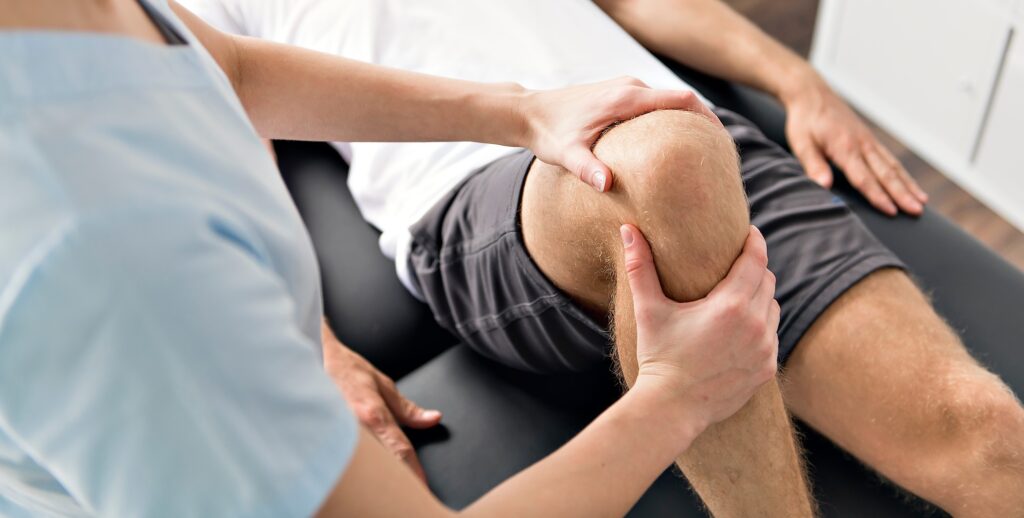
A Patient at the physiotherapy doing physical exercises with his therapist
For residents of Jacksonville, St. Augustine, and across Northeast Florida, understanding what to expect from an orthopedic visit can be the first step toward relief.
What Does an Orthopedic Specialist Do?
An orthopedic specialist, or orthopedist, is an expert in diagnosing and treating a wide range of musculoskeletal issues. This includes everything from chronic conditions like arthritis to acute injuries such as fractures or ligament tears.
Your first visit will typically involve a thorough evaluation. The specialist will ask detailed questions about your pain, your medical history, and your lifestyle. They may also perform a physical exam and order imaging tests like X-rays or an MRI to get a clear picture of what’s happening inside your body. Common issues treated by orthopedic specialists include:
In a region like Northeast Florida, where an active lifestyle is common, from golfing in Ponte Vedra to surfing in St. Augustine, sports injuries are a frequent reason to see an orthopedic specialist.
A Modern Approach to Orthopedic Treatment
The field of orthopedics has advanced significantly since 2017. While surgery is sometimes necessary, orthopedic specialists will often start with non-surgical treatments to help you heal. Seeing an orthopedist doesn’t automatically mean you’ll need an operation.
Your personalized treatment plan will be based on your specific injury, your health, and your goals. Some of the innovative and effective treatment options available today include:
Physical Therapy and Exercise: A cornerstone of recovery, physical therapy involves targeted exercises to strengthen muscles, improve flexibility, and restore movement. Many orthopedic practices in the Jacksonville area offer on-site physical therapy for a seamless recovery experience.
Advanced Injections: Corticosteroid injections can reduce inflammation and pain. Another option is viscosupplementation, where hyaluronic acid is injected into a joint like the knee to improve lubrication and cushioning.
Regenerative Medicine: This cutting-edge field uses your body’s own healing abilities. Platelet-rich plasma (PRP) therapy and stem cell therapy are regenerative treatments that can help repair damaged tissues and may be an alternative to surgery for some conditions.
Bracing and Orthotics: Custom devices like braces or shoe inserts can provide support, protect injured areas, and improve alignment to relieve pain.
Medication: Your specialist may prescribe anti-inflammatory medications or muscle relaxers to manage pain and aid in your recovery.
Minimally Invasive Surgery: If surgery is the best option, orthopedic surgeons now use advanced, minimally invasive techniques. Procedures like arthroscopy use small incisions and a camera to diagnose and treat joint problems, often leading to faster recovery times.
Robotic-Assisted Surgery: For procedures like joint replacements, surgeons may use robotic technology to enhance precision and accuracy, leading to better outcomes for patients.
3D Printing: This technology allows for the creation of custom implants and surgical guides tailored to a patient’s unique anatomy.
Finding Orthopedic Care in Jacksonville and St. Augustine
If you’re looking for expert orthopedic care in Northeast Florida, Southeast Orthopedic Specialists can work with you to find the best course of treatment for your individual needs. With multiple locations, including in Jacksonville and a growing presence in St. Augustine, they offer a comprehensive range of services from diagnostics to rehabilitation. Their team of board-certified physicians covers every orthopedic and spine specialty, utilizing the latest technologies to provide top-quality care.
Sometimes a serious sports injury is easy to spot, but acute sports injuries are not always immediately apparent. What begins as a minor ache following a rough game or a difficult workout can quickly progress into a debilitating and long-lasting impairment. Spotting the warning signs that you have a serious sports injury is key to seeking and receiving proper and prompt medical attention. If you are experiencing any of the following signs, please treat your injury as serious and consult an orthopedic doctor immediately.
Pain
Often the most common sign of an acute sports injury is also the most obvious. Pain in the joints of your knees, ankles, elbows or wrists following intense exercise or contact sports can be the first indication that something is wrong, particularly if you are still experiencing pain more than 48 hours after the initial injury.
Tenderness
An important indication that your sports injury is in need of medical attention is pain or tenderness when pressure is applied to the afflicted area. One of the easiest ways to test for tenderness is to press the same place on both sides of your body; if you don’t feel pain on the non-injured side, you have a clear signal that something is wrong.
Swelling
Swelling is sometimes visually obvious, but it isn’t always easy to spot swelling, particularly at a joint. Joint pain and stiffness or clicking when you bend your afflicted joint are non-visual signs that the area is swollen.
Limited Range of Motion
A reduced ability to move or bend your injured joint is another sign of swelling in the area and an indication of an underlying serious injury. As when checking for tenderness, compare the range of motion between the injured and non-injured sides of your body; if one side has limited movement, a serious injury could be present.
Numbness
Lastly, tingling or loss of sensation in the injured area is one of the most significant signs of a serious injury. This symptom can signal nerve compression in the injured area, and any numbness is a sign of a sports injury that should be immediately examined by a doctor.
Contact Our Sports Medicine Specialists
If you are experiencing signs of a serious and acute sports injury, getting prompt medical attention is key for avoiding serious damage or a long-term debilitating condition. The sports medicine experts at Southeast Orthopedic Specialists can provide you with the care you need. To schedule an appointment with an orthopedic specialist, please contact us at (904) 634-0640 or request an appointment online.
You now have the ability to schedule an appointment online any time with our orthopedic surgeons and specialists. Our intelligent system connects you to the right doctor in the right setting at the right time. Schedule your appointment online above!
*Providers will be recommended based on specialty and best availability. If you would prefer to schedule an appointment with a provider of your choice, please call us at 904-634-0640