Undergoing surgery is always a big deal. It doesn’t matter how many injuries you’ve experienced in your life, or how many times you have to undergo the knife — the task of recovering from surgery never gets easier. This is because having surgery makes you completely rethink how you can use your own body. During the recovery period you are forced to stop using some portion of your body. When it comes to surgery on joints, such as the knees, hips, shoulders or ankles, this can be a painful, debilitating and frustrating process. For many who undergo surgery for injury repair, it means going from living an active lifestyle to staying bedridden or immobilized for weeks! (more…)
Undergoing surgery is always a big deal. It doesn’t matter how many injuries you’ve experienced in your life, or how many times you have to undergo the knife — the task of recovering from surgery never gets easier. This is because having surgery makes you completely rethink how you can use your own body. During the recovery period you are forced to stop using some portion of your body. When it comes to surgery on joints, such as the knees, hips, shoulders or ankles, this can be a painful, debilitating and frustrating process. For many who undergo surgery for injury repair, it means going from living an active lifestyle to staying bedridden or immobilized for weeks!
Once the brace comes off and the sutures are healed, you may feel mentally ready to jump directly back into your regular life and way of being — but this will only land you back in the hospital for another trip under the knife.
Physical therapy is paramount for a healthy recovery from any form of surgery. The reason for this is that physical therapy gives your body a chance to train the muscles and ligaments surrounding your surgery site to be ready for movement again. If you don’t ease your body back into activity, you are putting yourself at risk for further injury and even more pain. Southeast Orthopedic Specialists can help you get your body back into pre-surgery shape by using targeted physical therapy practices that work, helping to alleviate back pain and shoulder pain as you get your body into peak shape.
Your Body After Surgery
After leaving the hospital, you are going to be sent home with a series of pain medications and instructions to stay still. While you might not think that sitting around is taxing on your body, it can be tough on muscles to go from movement to no movement. Your range of motion will be limited due to swelling, and for long-term recovery periods you may even experience some muscle atrophy.
This is what physical therapy is designed to support. Physical therapy is recommended as soon as the sutures are healed. This will help you get your circulation moving and will alleviate some of the swelling in your body. Once your range of motion is back, you can start improving muscle mass and taking steps to strengthen the area surrounding your surgery site, which will actually help prevent further injury issues.
Physical therapy is crucial after surgery. Don’t put your body at risk for long-term pain and repeat surgeries. Take advantage of the physical therapy resources offered locally by Southeast Orthopedic Specialists and learn moreabout your recovery options.
Common Orthopedic Conditions in the Elderly
There are nearly 45 million people over the age of 65 in the United States, and that figure is expected to rise to 98 million by 2060. This rapidly aging population and biological changes to older adults’ bodies mean that orthopedic injuries are increasingly common. Visiting an orthopedic doctor can help older individuals get the treatment they need. (more…)
Crossfit: Safe or Not?
There’s a lot to like about CrossFit. It packs a big-time workout into a short timespan, and it uses interval training along with weights. That means CrossFitters get fit while building muscle.
It’s super popular these days – thousands upon thousands of diehards have adopted the CrossFit “lifestyle,” working out at one of 12,000 locations across the country. And it shows – CrossFitters’ physiques are decidedly superhero-esque.
But is it safe? Or are there inherent risks associated with CrossFit? It depends on who you ask.
Partial Joint Replacement
Millions of Americans suffer from joint pain, with 40 percent saying that it is “very difficult” or they are “unable” to perform common activities like stooping, bending, kneeling or walking a brief distance, according to the Centers for Disease Control and Prevention. A partial joint replacement from a Jacksonville orthopedic specialist may significantly decrease pain and improve your quality of life.
Should You Get a Bone Density Scan?
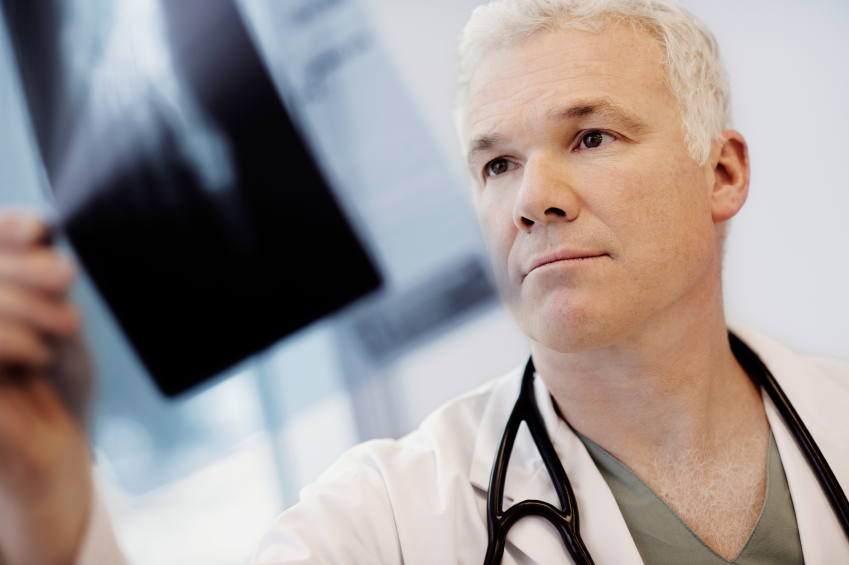
Bone density scans determine how strong your bones are and if you’re at risk for osteoporosis, a condition that makes your bones weak and more likely to break.
Bone density scans, also called bone mineral density (BMD), are noninvasive and take just a few minutes to complete. Scans can be conducted on your hips or spine using a scan called Dual Energy X-ray Absorptiometry (DEXA). It’s similar to a traditional x-ray, but your body isn’t exposed to as much radiation. A smaller device can also determine bone density using your finger, wrist or heel. Oftentimes, these devices are used at community screenings or in drugstores that offer bone density scans to patrons.
Child Exercise: How Much Is Too Much?
You know it’s good for your kids to get regular exercise but can they get too much physical activity? Orthopedic surgeons say too much or the wrong kind of exercise can harm growing bodies.
That’s because growth plates can be more easily injured or broken during childhood and into the teenage years. Parents need to not only limit how much their children exercise but also restrict certain kinds of exercise. (more…)
Foods That Help Arthritis
More than 50 million Americans suffer from a form of arthritis, according to the Centers for Disease Control and Prevention. Even mild cases of arthritis can be very distressing for patients, preventing them from engaging in the activities they love. Fortunately, altering your diet may be a simple way to alleviate arthritis pain. (more…)
Sports Medicine Myths Part 2: Stretching Prevents Injuries
Before you take to the basketball court or engage in an intense workout, chances are you stretch. After all, you have been taught by coaches, peers and even sports medicine doctors that stretching before sports activities or workout routines will prevent injury, but what if what you’ve always been told is wrong?
It may come as a surprise to you, but stretching done before, during or after a workout or sports activity could actually do you more harm than good. (more…)
Sports Medicine Myths Part 1: You Can Do Physical Therapy on Your Own
As an orthopedic specialist, it can be worrisome to hear a patient say, “Well, I tried doing some physical therapy on my own, but it didn’t work. So now I think I need surgery.” One of the most pervasive myths in sports medicine is that a do-it-yourself approach to physical therapy can work. While it’s certainly true that certain stretches or exercises can help you build strength after an injury, there is no replacement for professional physical therapy. (more…)
