Recent Medscape research shows Americans have made limited progress in reducing arthritis-related activity and work limitations, reinforcing a reality felt acutely across southeast Florida, where MSK conditions remain a leading driver of disability, lost productivity, and reduced quality of life.

As arthritis and other MSK conditions continue to rise, patients often face fragmented care, chronic pain, and delayed recovery. Addressing these challenges requires coordinated, outcomes-driven orthopedic care, delivered close to home and aligned across the full continuum.

At Southeast Orthopedic Specialists (SOS), advancing arthritis care means pairing clinical expertise with evidence-based, standardized care pathways designed to improve outcomes and elevate the patient experience. Through data-informed decision-making, early risk identification, and continuity of care, the practice works to ensure patients receive the right treatment at the right time.

This approach enables:

  • Consistent, evidence-based care that reduces variation and improves outcomes
  • Proactive identification of high-risk patients, supporting earlier intervention
  • Stronger patient engagement, keeping patients informed and connected throughout their care journey

From conservative therapies to advanced surgical interventions, SOS remains focused on restoring function, reducing pain, and helping patients return to daily life with confidence.

“Arthritis care must go beyond symptom management to truly restore function and mobility,” said Donnie Romine, CEO at Southeast Orthopedic Specialists. “By aligning evidence-based pathways with patient-centered care, we’re able to deliver better outcomes and a more seamless experience for our patients.”

While arthritis and MSK conditions remain widespread, innovation in care delivery is changing what’s possible. By integrating clinical excellence with data-driven insights and patient-focused tools, Southeast Orthopedic Specialists continues to elevate arthritis care, improving long-term outcomes for patients across the region.

Ready to take the next step?
Whether you’re seeking relief from arthritis pain or looking for a personalized MSK care plan, schedule an appointment with SOS to explore treatment options designed to get you back to doing what you love, sooner and with confidence.

Note: The referenced Medscape article is behind a paywall and requires a subscription.

Breaking Barriers in Arthritis Care: Advancing MSK Outcomes Across Southeast Florida

Recent Medscape research shows Americans have made limited progress in reducing arthritis-related activity and work limitations, reinforcing a reality felt acutely across southeast Florida, where MSK conditions remain a leading driver of disability, lost productivity, and reduced quality of life.

As arthritis and other MSK conditions continue to rise, patients often face fragmented care, chronic pain, and delayed recovery. Addressing these challenges requires coordinated, outcomes-driven orthopedic care, delivered close to home and aligned across the full continuum.

At Southeast Orthopedic Specialists (SOS), advancing arthritis care means pairing clinical expertise with evidence-based, standardized care pathways designed to improve outcomes and elevate the patient experience. Through data-informed decision-making, early risk identification, and continuity of care, the practice works to ensure patients receive the right treatment at the right time.

This approach enables:

  • Consistent, evidence-based care that reduces variation and improves outcomes
  • Proactive identification of high-risk patients, supporting earlier intervention
  • Stronger patient engagement, keeping patients informed and connected throughout their care journey

From conservative therapies to advanced surgical interventions, SOS remains focused on restoring function, reducing pain, and helping patients return to daily life with confidence.

“Arthritis care must go beyond symptom management to truly restore function and mobility,” said Donnie Romine, CEO at Southeast Orthopedic Specialists. “By aligning evidence-based pathways with patient-centered care, we’re able to deliver better outcomes and a more seamless experience for our patients.”

While arthritis and MSK conditions remain widespread, innovation in care delivery is changing what’s possible. By integrating clinical excellence with data-driven insights and patient-focused tools, Southeast Orthopedic Specialists continues to elevate arthritis care, improving long-term outcomes for patients across the region.

Ready to take the next step?
Whether you’re seeking relief from arthritis pain or looking for a personalized MSK care plan, schedule an appointment with SOS to explore treatment options designed to get you back to doing what you love, sooner and with confidence.

Note: The referenced Medscape article is behind a paywall and requires a subscription.

How Holiday Travel Impacts Joint Health

SOS Dec. Blog Image

Holiday travel often means long hours sitting in a car or airplane, which can lead to stiffness, back pain, sore hips, or knee discomfort, especially for people with existing orthopedic concerns. With a little planning, you can reduce strain on your body and travel more comfortably.

Holiday travel can also highlight existing joint or muscle issues that often go unnoticed during everyday routines. If stiffness, back pain, or joint discomfort tend to flare up during long periods of sitting, the orthopedic specialists at Southeast Orthopedic Specialists (SOS) can help identify the underlying cause and recommend personalized strategies to reduce pain before you travel.

Addressing these concerns early can make a significant difference in how your body handles long flights or drives.

1. Prepare your body before you go.

Extended travel can place added stress on muscles and joints, so it helps to stay lightly active in the days leading up to your trip. Gentle walking, stretching, and basic core or leg strengthening can support the spine and lower joints. Staying hydrated is also important, as dehydration can contribute to muscle stiffness. If you’re dealing with ongoing pain or a recent injury, it’s worth checking in with your orthopedic provider before you travel.

2. Set up your seat with posture in mind.

Whether you’re flying or driving, proper alignment can make a noticeable difference. When flying, an aisle seat can make it easier to stand and move around. Using a small pillow or rolled towel behind your lower back can help support the natural curve of the spine, and keeping your feet flat on the floor or a footrest can help you maintain hip alignment. When driving, adjust your seat so your knees are level with or slightly below your hips, sit upright with relaxed shoulders, and position the steering wheel so your arms stay slightly bent.

3. Move regularly during your trip.

Remaining in one position for too long can increase stiffness and limit circulation. On flights, try to stand or walk the aisle every 60 to 90 minutes. During road trips, plan to stop at least every two hours to stretch. Even while seated, gentle movements of the neck, shoulders, ankles, and hips can help keep blood flowing.

4. Be mindful when handling luggage.

Lifting and carrying bags is a common source of travel-related strain. Rolling luggage can reduce stress on the joints, and packing lighter makes bags easier to manage. When lifting, bend your knees, keep your back straight, and lift with your legs. If you’re using a backpack or shoulder bag, aim to distribute weight evenly.

5. Support your joints throughout the day.

Wearing supportive shoes rather than unsupportive flats or flip-flops can reduce stress on the knees and hips. Compression socks may help improve circulation during long flights or drives, and braces or supports should be used if recommended by your provider. After a long travel day, ice or heat can help soothe sore or inflamed joints.

6. Listen to what your body is telling you.

Increasing pain, numbness or tingling, swelling that doesn’t resolve, or sharp, persistent discomfort are signs to slow down. Avoid pushing through pain, modify your activity as needed, and seek medical guidance if symptoms continue.

Travel with your joint health in mind

Holiday travel doesn’t have to leave you stiff or uncomfortable. With thoughtful preparation and regular movement, you can protect your orthopedic health and enjoy the season.
If joint pain or stiffness is holding you back, whether from travel plans or everyday activities, the orthopedic specialists at SOS are here to help you stay comfortably on the move. Schedule your appointment today.


Understanding Knee Anatomy: How Muscles, Ligaments, and Cartilage Work Together

The knee is one of the most powerful and complex joints in the body, responsible for supporting your weight, absorbing impact, and allowing you to move with strength and stability. Every time you walk, squat, climb stairs, or play sports, your knee relies on a coordinated network of muscles, ligaments, and cartilage.

At Southeast Orthopedic Specialists, we see firsthand how understanding this anatomy helps patients recognize early signs of injury and seek care before symptoms worsen.

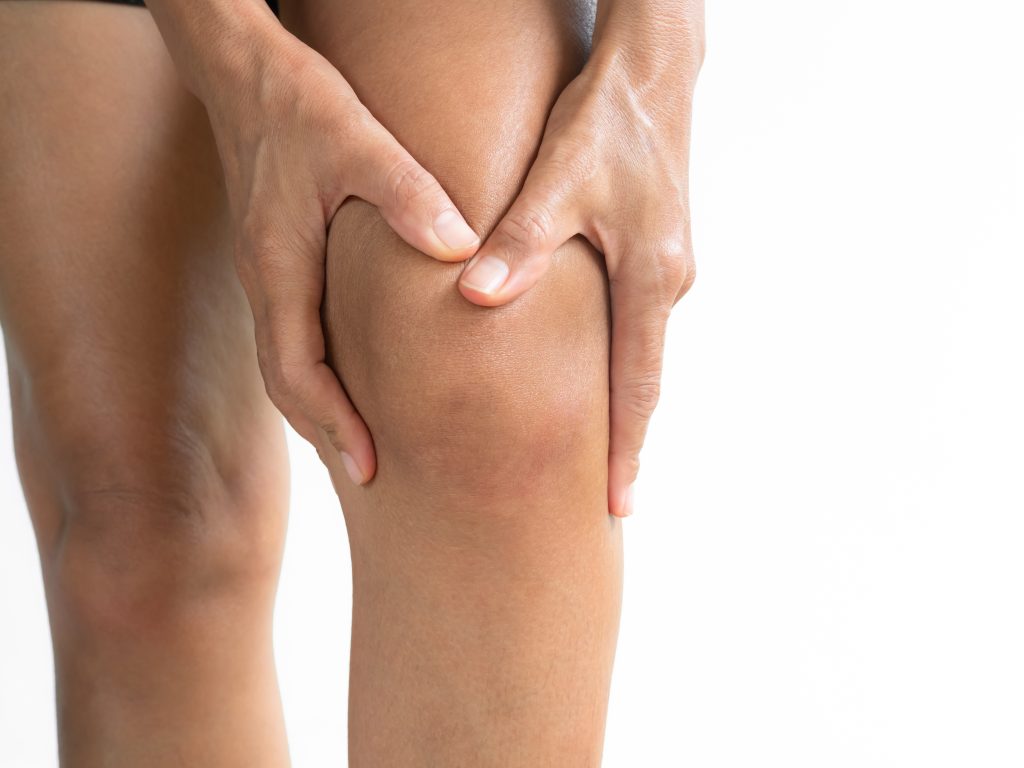
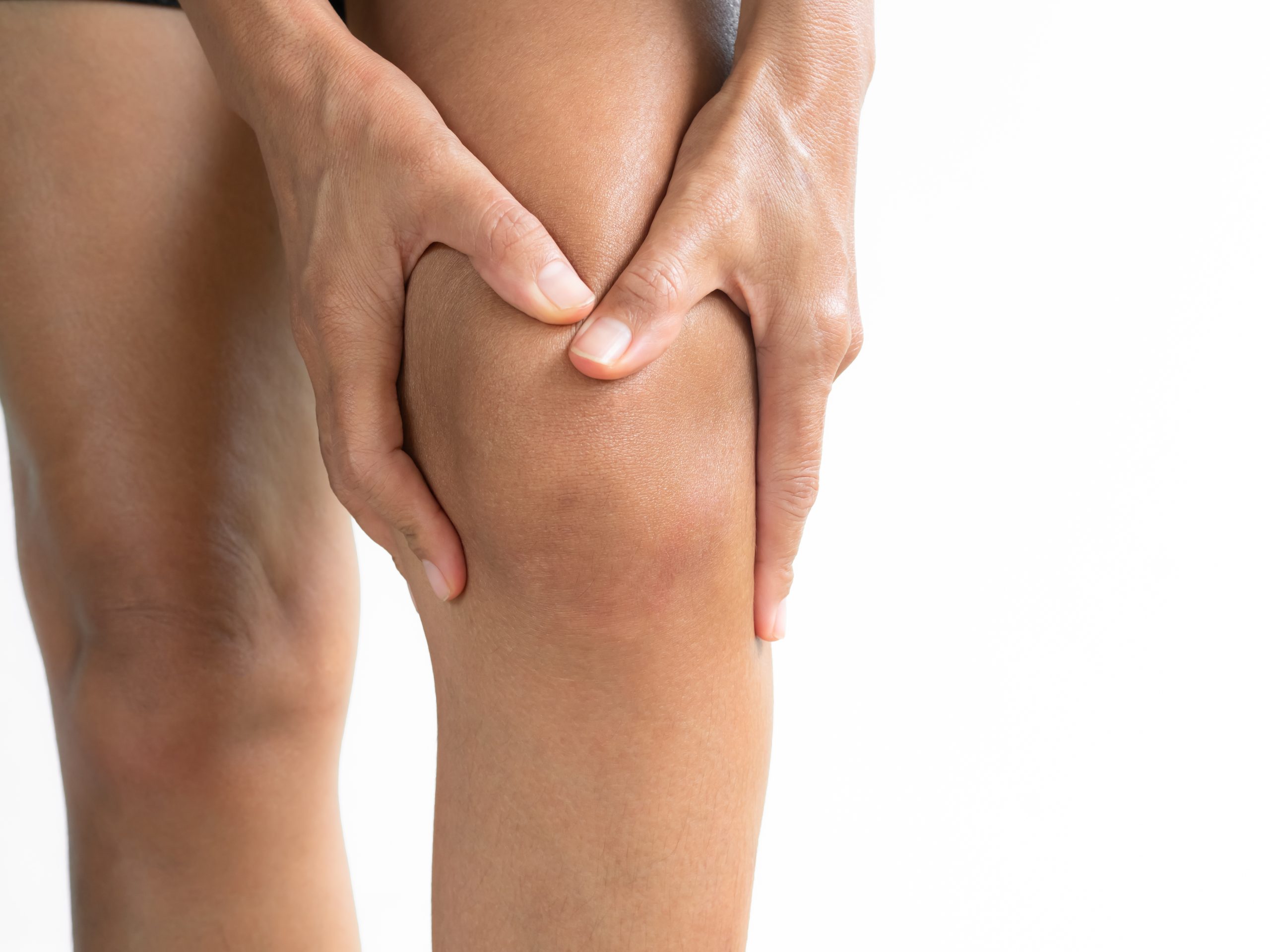
Image of person holding knee in pain

The Key Structures of the Knee Joint

The knee is a hinge joint formed where the femur (thigh bone), tibia (shin bone), and patella (kneecap) meet. While the bones provide the framework, the surrounding soft tissues make movement possible and protect the joint from excessive stress.

Muscles: Powering and Supporting Knee Motion

If you suspect turf toe, look for these signs:
The muscles around the knee play a major role in mobility and alignment. The quadriceps at the front of the thigh help straighten the knee and guide the kneecap, while the hamstrings at the back assist with bending the knee and controlling deceleration during movement. The calf muscles, particularly the gastrocnemius, help with both knee flexion and stability. Even muscles that sit above the knee, the glutes and hip stabilizers, have an enormous influence on knee alignment. Weakness in the hips often causes the knee to collapse inward, creating excess strain on the joint.

Ligaments: Providing Stability and Control

The knee’s ligaments serve as strong stabilizers that prevent excessive movement.

  • ACL (Anterior Cruciate Ligament): Controls rotational stability and prevents the tibia from sliding forward.
  • PCL (Posterior Cruciate Ligament): Prevents the tibia from sliding backward, often injured in high-impact trauma.
  • MCL (Medial Collateral Ligament): Protects the inner knee from inward forces.
  • LCL (Lateral Collateral Ligament): Supports the outer knee and prevents outward bending.

When any of these ligaments are sprained or torn, patients frequently notice instability, pain, or difficulty pivoting or bearing weight.

Your Turf Toe Treatment Plan

The vast majority of turf toe injuries can be treated by our expert team without surgery:

  • Rest and skipping high-impact activities are recommended first
  • Ice therapy and elevation help bring down swelling
  • Specialized taping, bracing, or stiff-soled shoes limit harmful motion
  • Over-the-counter medication (like ibuprofen) reduces inflammation
  • Our in-house physical therapy program supports flexibility and joint recovery

If the injury is severe, a walking boot, cast, or surgical repair may be considered, but less than 2% of turf toe injuries at Southeast Orthopedic Specialists require surgery.

Cartilage: Protecting the Joint and Absorbing Shock

Cartilage is another crucial component of knee function. The smooth articular cartilage covering the ends of the bones allows them to glide without friction, absorbing shock during impact-heavy activities like running or jumping. Deeper within the joint, the medial and lateral meniscus act as C-shaped shock absorbers that cushion the knee and help distribute weight evenly. Because these structures endure significant pressure and twisting forces, meniscus tears and cartilage damage are among the most common causes of knee pain.

How These Structures Work Together

For the knee to work efficiently:

  • Muscles create movement and alignment
  • Ligaments maintain stability
  • Cartilage cushions impact and prevents friction

When muscles, ligaments, and cartilage all function properly, the knee moves fluidly and maintains strength during even the most demanding activities. But when one structure becomes strained, weakened, or injured, the entire system is affected. Pain, swelling, stiffness, catching, or instability often follow. That’s why understanding knee anatomy is so important as it empowers patients to identify symptoms early and get the right treatment before the injury progresses.

“At Southeast Orthopedic Specialists, we emphasize the importance of understanding how the knee works because it helps patients recognize issues sooner and take control of their joint health. When we identify the exact structure causing pain, whether it’s a ligament, muscle, or cartilage, we can tailor a treatment plan that restores long-term stability and function. Early evaluation often leads to better outcomes and fewer long-term complications.”

– Dr. Colin Murphy, Sports Medicine Specialist at Southeast Orthopedic Specialists

Why Knee Anatomy Matters for Your Health

At Southeast Orthopedic Specialists, our team uses advanced imaging, detailed physical exams, and personalized treatment planning to identify the exact source of knee pain and restore optimal function. Whether you’re dealing with a sports injury, chronic knee discomfort, or sudden instability, we’re here to help you get back to moving comfortably and confidently.


What Is Turf Toe? Causes, Symptoms & Treatment in Jacksonville

At Southeast Orthopedic Specialists, turf toe is one of the most common foot injuries treated in both athletes and non-athletes. Turf toe happens when the big toe bends too far upward, stretching or tearing the soft tissues around its base at the metatarsophalangeal joint. The nickname “turf toe” began when the injury was first noticed on artificial turf fields, but our Jacksonville and Florida area patients develop it from a variety of sports, or even simple outdoor activities.

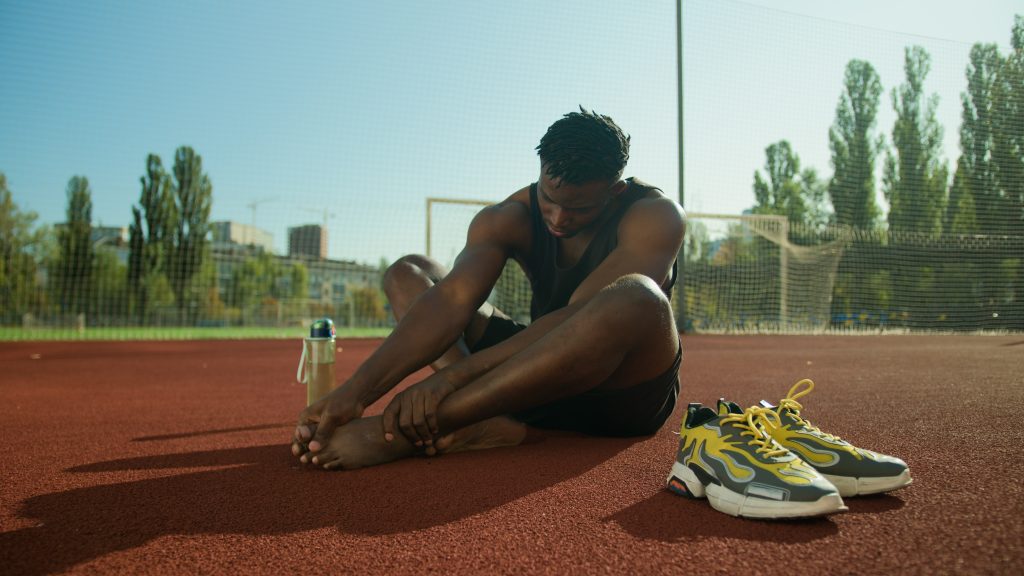
African American man feel ache painful leg pain injured foot after workout outdoors male sportsman footballer guy suffer injury bone finger callus health problem trauma accident on city sport ground. High quality 4k footage

Why Does Turf Toe Happen?

Our experts at Southeast Orthopedic Specialists see turf toe most often in people who play soccer, football, basketball, or dance and gymnastics, but it can affect anyone. Artificial turf, which is common across many Florida sports fields, raises the risk due to its higher surface tension, particularly when paired with flexible athletic footwear. Quick sprints, abrupt stops, or a misstep at the pool or beach can all trigger this toe injury.

Recognizing Turf Toe Symptoms

If you suspect turf toe, look for these signs:

  • Pain at the base of the big toe (sudden or increasing in intensity)
  • Swelling or bruising
  • Less movement or stiffness in your toe joint
  • Tenderness while walking or running
  • Trouble pushing off, jumping, or sprinting

Ignoring symptoms can lead to chronic pain or arthritis, so our team encourages early evaluation if pain or swelling lingers more than a few days.

How We Diagnose Turf Toe

Southeast Orthopedic Specialists uses a thorough physical exam and, when needed, advanced imaging techniques (X-rays, MRI) to accurately diagnose turf toe and rule out other injuries. Prompt diagnosis is key to the best outcome.

Your Turf Toe Treatment Plan

The vast majority of turf toe injuries can be treated by our expert team without surgery:

  • Rest and skipping high-impact activities are recommended first
  • Ice therapy and elevation help bring down swelling
  • Specialized taping, bracing, or stiff-soled shoes limit harmful motion
  • Over-the-counter medication (like ibuprofen) reduces inflammation
  • Our in-house physical therapy program supports flexibility and joint recovery

If the injury is severe, a walking boot, cast, or surgical repair may be considered, but less than 2% of turf toe injuries at Southeast Orthopedic Specialists require surgery.

Southeast Orthopedic Specialists Difference

Our board-certified, fellowship-trained foot and ankle specialists provide tailored care, from conservative treatments to minimally invasive surgical options, if ever needed. Our physical therapists build custom rehab plans for a safe, strong return to sports, work, and recreation.

  • Up to 45% of NFL players have had turf toe, 83% occurring on artificial turf.
  • In college sports, turf toe constitutes over 11% of all foot injuries.
  • With our approach, less than 2% of turf toe cases need surgery; most recover fully with non-surgical treatment.

Preventing Turf Toe

Our specialists recommend:

  • Choosing supportive, stiff-soled shoes- especially on turf
  • Taping your big toe if you’ve had an injury before
  • Warming up thoroughly before any activity
  • Paying attention to pain signals and not “walking it off”

Ready to Help Northeast Florida Stay Active

If you suspect turf toe or any foot or ankle trouble, Southeast Orthopedic Specialists makes it easy to schedule an appointment at one of our convenient Northeast Florida locations. Our advanced imaging, on-site physical therapy, and collaborative approach ensure a smooth, full recovery. Get back to your favorite Florida activities, pain free, our team is standing by to help.


Northeast Florida Guide to Meniscus Tears 

SOS Meniscus Tear

If you’ve ever twisted your knee while playing volleyball, slipped on a wet dock, or crouched down too quickly around the house, you know knee injuries can happen quickly. One of the most common and painful ones can be a meniscus tear.  

Northeast Florida offers beautiful, year-round weather so staying active is almost part of everyday life and unfortunately, these injuries occur more often than you might think. That’s why many locals turn to Southeast Orthopedic Specialists for expert diagnosis and treatments tailored to our community’s active lifestyle. 

SOS Meniscus Tear

What Exactly Is a Meniscus Tear? 

Think of the meniscus as a C-shaped cushion of cartilage inside your knee joint. Each knee has two menisci: one on the inside (medial) and one on the outside (lateral). They help absorb shock, stabilize the joint, and keep your joints moving smoothly. 

A meniscus tear happens when this cartilage gets damaged, usually from a sudden twist or from repetitive wear and tear over time. Athletes see it a lot, but so do older adults since cartilage weakens as we age. 

Common Causes of a Meniscus Tear 

In Florida, the causes often tie back to lifestyle. Some of the most common causes include: 

  • Sports-Related Injuries: Twists, pivots, and sudden stops during soccer, basketball, or tennis. 
  • Everyday Activities: Bending down to grab a beach cooler, running after kids, or lifting heavy groceries. 
  • Age & Wear: Degenerative meniscus tears are common for people over 40, especially with arthritis. 

“A torn meniscus is one of the most frequent knee injuries doctors see, affecting roughly 500,000 Americans every year. These injuries can certainly disrupt your quality of life. However, not every meniscus tear requires surgery. I certainly try to treat these injuries conservatively initially and only offer surgery when necessary to restore appropriate knee function.”  

Aaron Bates, MD, Sports Medicine and Arthroscopy, Southeast Orthopedic Specialists 

How Meniscus Tears Are Diagnosed and Treated 

When you head to the doctor with knee pain, the first step is usually a physical exam to check your knee’s movement, as well as swelling, and tenderness. From there, imaging may be used to confirm the diagnosis. An MRI is the most reliable option for spotting cartilage damage, while an X-ray helps rule out bone issues. In some cases, a knee arthroscopy allows the doctor to actually look inside the joint with a tiny camera. 

Treatment depends on the type of tear, its location, and your active lifestyle. For mild injuries, simple methods such as the RICE method – Rest, Ice, Compression, and Elevation – can be enough, while physical therapy is often recommended to rebuild strength and stability. Knee braces and anti-inflammatory medications may also help manage pain and support healing. If the injury is more serious, surgical options such as arthroscopic repair or meniscectomy (removing all or part of the damaged meniscus) are available and can be very effective.  

“According to Johns Hopkins Medicine, about 40% of meniscus tears can heal without surgery, especially smaller ones in areas with good blood supply.”  

– Patrick Jones, MD, Sports Medicine, Southeast Orthopedic Specialists 

Recovery Time: What to Expect 

Recovery time for a meniscus tear can vary depending on the type of injury and the treatment approach. For those who don’t require surgery, healing typically takes about six to eight weeks with proper rest and physical therapy (PT). However, if surgery is necessary, especially for larger or more complex tears, the recovery and rehabilitation process can extend to three to six months before returning to full activity. 

“For Floridians, PT often includes water-based therapy, due to local access to pools. The buoyancy reduces stress on the joint and speeds healing,” said Dr. Jones. 

With the right recovery plan, you can absolutely return to the activities you love. 

Tips for a Successful Recovery: 

  • Try swimming or paddleboarding for low-impact exercise 
  • Replace running on hard pavement with jogging trails or treadmills 
  • Keep up with strength training to protect the knees from future injuries 
  • Don’t skip stretching, tight hamstrings and quads stress your knee joint 

Final Thoughts on Meniscus Tears 

A meniscus tear may stop you from loving your favorite activities in Florida but with early treatment, smart recovery, and a little patience, most people heal and regain full mobility. 

An early diagnosis can make the recovery process much smoother. If your knee pain has you sidelined, don’t wait it out. Schedule an appointment with a SOS specialist today and start your journey back to pain-free living. 

Harness Your Body’s Healing Power with PRP Orthobiologics at Southeast Orthopedic Specialists

Your body already knows how to heal – Platelet-Rich Plasma (PRP) therapy at Southeast Orthopedic Specialists helps do it faster, without surgery. 

What Are Orthobiologics? 

Also known as a “non-operative treatment,” orthobiologics uses your body’s own healing powers by taking cells, tissues, blood components, and growth factors to help repair musculoskeletal injuries or damage, rather than just covering up pain. 

PRP: Natural Healing, Powerful Results 

PRP is made by drawing a small amount of your blood, spinning it in a centrifuge – a machine that spins your blood really fast to separate the healing platelets from red blood cells and other components. The platelets are injected into damaged tissues, stimulating healing, reducing inflammation, and helping restore mobility and function. 

This therapy is especially beneficial for conditions such as tendon and ligament injuries, arthritis/cartilage damage, arthritis of spine facet joints, meniscus and labral tears, tendonitis and tendinosis, and joint capsule laxity. Joints that respond well include those in the shoulder, elbow, wrist, hand, back, hip, knee, ankle, and foot. 

Benefits of PRP Therapy 

Safe & Low Risk: PRP uses your own blood, so there’s an extremely low risk of allergic reaction, rejection, or disease transmission, and a very low risk of infection. 

Less Pain, Less Downtime: This procedure is minimally invasive and performed in office, accelerating healing with little interruption to your life. 

Improved Function & Mobility: Patients often experience reduced pain, lower inflammation, and better joint movement. 

Comprehensive Treatment: PRP supports your body’s natural tissue repair, helping symptoms and underlying structural health. For the best, long-term results, we typically recommend a series of three injections. 

What to Expect: The PRP Process at SOS 

PRP therapy at SOS is a simple, step-by-step process designed with your comfort in mind. First, you’ll have a new patient appointment so we can confirm you’re a good candidate for treatment. On the day of your procedure, we draw a small sample of your blood, much like a routine lab test, and place it in a specialized machine that separates the platelet-rich plasma (PRP). 

Next, the injured area is cleaned and prepared. Using ultrasound guidance for precision, your provider injects the PRP directly into the targeted tissue or joint. Once the injection is complete, the area is bandaged, and you’re ready to go. Your body takes over the healing process from there. 

The whole procedure can take anywhere from about 60 to 90 minutes and usually requires little to no downtime, so you can get back to your day quickly.


Why SOS Is Your Go-To for PRP 

At Southeast Orthopedic Specialists, our mission is to deliver accessible, five-star orthopedic and spine care across Northeast Florida, with innovation, quality, and patient-first values at the core. We bring orthobiologics to life through a team of board-certified, fellowship-trained physicians who stay at the forefront of advanced medical treatments. We have multiple convenient locations across Jacksonville, Ponte Vedra Beach, St. Augustine, Fleming Island, and more. 

Ready to Heal? 

With demand on the rise, now is the perfect time to explore how PRP therapy could benefit you. Whether you’re dealing with tendon pain, arthritis, or a nagging injury, our team stands ready to guide your care. 

Don’t wait to feel better. Schedule your appointment with SOS today at 904-394-2663 or online and learn how orthobiologics and PRP can get you back to living pain-free. 


Southeast Orthopedic Specialists welcomes spine surgeon Dr. F. Andrew Rowan to its growing team

Dr. Rowan brings advanced spine procedures and a strong academic background to expand care offerings across Northeast Florida

[JACKSONVILLE, Aug. 12, 2025]Southeast Orthopedic Specialists (SOS) is pleased to welcome Dr. F. Andrew Rowan, a board-certified, fellowship-trained orthopedic surgeon specializing in spine surgery. With a diverse skillset and a passion for education and innovation, Dr. Rowan enhances the SOS team’s ability to deliver comprehensive spine care to patients throughout the region. Dr. Rowan brings expertise in several advanced procedures, one of which not previously offered at SOS, the lateral lumbar interbody fusions (LLIFs). He also performs a wide range of other spine surgeries, including the Lumbar Disc Replacement, Oblique Lumbar Fusion, Lumbar Discectomy, TLIF, ALIF, ACDF, Cervical Disc Replacement, Kyphoplasty, Revision Surgery, Sacroiliac (SI) Fusion, and treatment for spinal deformities.

Dr. Rowan earned both his master’s and medical degree in applied anatomy from Case Western Reserve University School of Medicine in Cleveland, Ohio. His training includes an internship at the University of California, San Francisco, a residency at the University of Arizona (where he served as Chief Resident), and a competitive spine fellowship at the University of California, Davis.

Prior to joining SOS, Dr. Rowan served as an Assistant Professor of Orthopedics and Spine Surgery at IU Health. In addition to his clinical work, Dr. Rowan is actively involved in research and education. He has contributed to studies at leading institutions like the Cleveland Clinic, earned multiple academic honors – including the NIH T-35 Research Grant and Pfizer Undergraduate Research Fellowship – and most recently helped organize the 2024 Indiana Orthopedic Society Meeting.

“We’re excited to welcome Dr. Rowan to Southeast Orthopedic Specialists,” said Donnie Romine, CEO of SOS. “His dedication to patient-centered care, combined with his unique surgical skillset and commitment to medical education, makes him an outstanding addition to our team. His presence strengthens our ability to offer cutting-edge spine care to the communities we serve.”

Outside of medicine, Dr. Rowan enjoys spending time with his wife and children, often cheering them on at their after-school sports and activities.

With the addition of Dr. Rowan, Southeast Orthopedic Specialists continues to expand its ability to provide leading-edge, patient-first care, now with a broader range of spine surgery options to help more people live without pain.

###

About Southeast Orthopedic Specialists 

Established in 2001, Southeast Orthopedic Specialists has grown into the regional leader in musculoskeletal care. Southeast Orthopedic Specialists was founded on the principle of providing high-quality, comprehensive care in the Northeast Florida region. The entire spectrum of musculoskeletal healthcare services is provided to patients including orthopedic surgery, spine care, physical medicine and rehabilitation, pain management, chiropractic and podiatry. Services including physical therapy, regenerative medicine, advanced imaging, durable medical equipment and musculoskeletal urgent care are offered in multiple locations throughout the region. Physicians at Southeast Orthopedic Specialists are leading experts in their field with decades of experience, including the completion of multiple fellowships and groundbreaking research. Visit www.se-ortho.com to learn more.

About Healthcare Outcomes Performance Company (HOPCo)

Healthcare Outcomes Performance Company (HOPCo) is the national leader of integrated musculoskeletal value-based health outcomes management, practice management and health system service line management. This includes comprehensive expertise across all MSK specialties, including orthopedics, spine, neurosurgery, hand, pain management, rehabilitation and neurology. HOPCo’s integrated care, analytics and facilities development and management platforms have proven to increase the quality of patient care while reliably reducing the total cost of care across the care continuum for practices, health systems and payors alike. HOPCo’s affiliated payors, practices and health systems successfully participate in highly efficient value-based contracting (bundled payments, chronic episodes of care initiatives, population health programs and other advanced risk-based arrangements) utilizing HOPCo’s proprietary platforms, IT solutions, integrated analytics and evidence-based comprehensive care pathways. Visit https://hopco.com to learn more.  

Media Contact:

Annebeth Ahrenholz

Communications Specialist

Healthcare Outcomes Performance Company (HOPCo)

623.241.8779

Annebeth.Ahrenholz@hopco.com

###

Got back pain? Here’s what it means and what to do about it

Back pain, hands and woman exercise outdoor, wellness or muscle tension. Healthy female, athlete

Back pain is different for everyone – some feel it in the lower back after lifting, others in the mid-back after long hours at a desk, or in the upper back and neck after a stressful day. Understanding where your pain is located is key to finding the right relief.

Back pain, hands and woman exercise outdoor, wellness or muscle tension. Healthy female, athlete

“Not all back pain is created equal—low back pain is often mechanical or disc-related, while mid and upper back pain may stem from posture, muscle strain, or even underlying medical conditions,” said Dr. David Doward, pain management physician at Southeast Orthopedic Specialists (SOS). “Gentle daily stretching, core strengthening and early evaluation can go a long way in preventing more serious problems. At SOS, we offer a range of options to get patients back to living without pain.”

Types of Back Pain: Low vs. Mid/High

Low Back Pain (Lumbar)
This is the most common type of back pain. It can often be tied to herniated discs, arthritis, or spinal stenosis. The lumbar spine supports your upper body and helps with daily movement like lifting or walking, making this region especially vulnerable to strain.

Mid & Upper Back Pain (Thoracic)
Often overlooked, this type is commonly due to posture, prolonged sitting, or muscular tension. It can also stem from joint stiffness, overuse, or even underlying conditions like scoliosis or osteoporosis.

Upper Back & Neck Region
Pain here may arise from cervical disc issues, tight shoulders, or stress-related muscle tension – especially common with technology use or even driving.

Yoga & Stretching: Gentle, Daily Tools for Relief

When practiced consistently, stretching and yoga are excellent first-line methods to increase mobility, relieve tension, and support spine health.

Practice safely by moving slowly and mindfully, tuning into how your body feels as you stretch. Pair each stretch with deep breathing – inhale deeply through the nose and exhale slowly through the mouth to oxygenate muscles and enhance relaxation. Above all, avoid pushing into pain. If a stretch becomes uncomfortable, ease off immediately and if it persists, reach out to a specialist for guidance.

Regenerative Medicine: Healing from the Inside Out

When stretching and strengthening aren’t enough, regenerative medicine offers a natural next step that promotes real healing without surgery or long-term medication.

“We now have tools to help the body heal itself – restoring  joint and tissue function using what’s already inside you,” said Dr. Pavel Balduyeu, pain management physician at SOS. “Regenerative medicine allows us to treat the root cause of pain with fewer medications and no surgery.”

Regenerative Medicine treatments offered at SOS include:

  • Platelet-Rich Plasma (PRP) Therapy
    This is when a small sample of your blood is spun in a centrifuge to isolate healing platelets, which are then injected directly into the painful or injured area. These platelets stimulate tissue repair and reduce inflammation.
  • Bone Marrow–Derived Stem Cell Injections
    This is when stem cells are drawn from your own bone marrow and injected into injured tissues like spinal joints or soft tissue structures. These cells support healing at a deeper, cellular level.

Regenerative care accelerates the body’s natural healing by repairing damaged tissues – which can improve circulation and help restore joint function. This drug‑and surgery‑free approach often lessens or eliminates the need for pain medications, offering a faster, more sustainable recovery from injuries or chronic inflammation.

“At SOS, we view fluoroscopic‑guided injections as a strategic bridge between conservative therapy and surgery for low‑back pain,” said Dr. Frank Collier, pain management physician at SOS.

Under real‑time X‑ray guidance, Dr. Collier can place medication with pinpoint accuracy, targeting herniated discs, facet joints, SI joints, spinal stenosis, or inflamed nerves. These treatments can reduce inflammation and restore mobility without systemic medications. In many cases, this minimally invasive technique can get patients moving again safely and efficiently quicker than usual traditional methods.

When to Seek Expert Help

If your back pain hasn’t improved after two weeks of stretching or yoga, or if you’re experiencing sharp, persistent pain, numbness, tingling, or weakness, it’s time to consult a spine specialist.

At Southeast Orthopedic Specialists, our team can help determine whether regenerative care, guided rehab, or another treatment is right for you. In the meantime, start with a few gentle stretches each day, listen to your body and most importantly – track how you feel.

Finding Treatment at SOS

At SOS, our team of highly trained, fellowship‑educated physicians and specialists is committed to delivering expert orthopedic and spine care across six convenient locations in Duval, St. Johns, and Clay counties.

“Back pain isn’t one-size-fits-all. Lower back pain often involves disc problems or nerve compression, which can cause pain to radiate into the legs. Mid or upper back pain, on the other hand, is more commonly related to facet joint arthritis or muscular strain from poor posture, said Dr. Isaac Gooding, pain management specialist at SOS. “Understanding the difference is the first step toward effective treatment — from targeted stretches to minimally invasive procedures that can provide lasting relief. At SOS, we’re here to help.”

If you’re experiencing back pain, our pain management experts are ready to help—whether you prefer to schedule an appointment or take advantage of our SOS Direct walk‑in clinics for same‑day evaluation. To get started, call us at 904‑634‑0640 or schedule an appointment online to find a location near you.

###


Navigating Scoliosis Treatment: From Braces to Surgery and Beyond

Introduction

When you think of scoliosis, what comes to mind? Perhaps a childhood diagnosis or a visibly curved spine. Scoliosis, however, encompasses more than a spinal curvature; it can significantly impact daily life in ways that are often overlooked.

Scoliosis is a medical condition characterized by an abnormal lateral curvature of the spine, often forming an “S” or “C” shape. While the spine typically appears straight when viewed from behind, individuals with scoliosis exhibit a sideways curve that can vary in severity. This condition is most commonly diagnosed in children and adolescents, particularly during growth spurts, but it can affect individuals at any age, including adults.

The impact of scoliosis on daily life ranges from minimal to significant, depending on the degree of curvature and individual circumstances. Those with little curvature may have mild or no pain, while more severe curvatures can lead to chronic back pain, reduced mobility, and visible postural changes such as uneven shoulders or hips. In some instances, severe scoliosis can also affect lung and heart function due to the distortion of the chest cavity.

In children and adolescents, it may lead to noticeable physical changes, while adults might experience chronic pain and functional limitations. Recognizing scoliosis as a progressive condition underscores the importance of early diagnosis and proactive management.

Understanding Scoliosis Progression

The severity of scoliosis is measured using something called the Cobb angle. This number shows how much the spine curves, based on an X-ray. A higher Cobb angle means a more noticeable curve, which helps doctors decide the best treatment approach — whether it’s watching the curve over time, using a brace, or considering surgery.

For many children and teens with moderate scoliosis (typically curves between 25–45 degrees), bracing is the first treatment considered—especially if the spine is still growing.

How Braces Work

Braces don’t reverse scoliosis, but they can prevent the curve from getting worse. By applying consistent external pressure, they guide the spine’s growth and help delay or avoid surgery. There are several brace designs tailored to individual needs, including:

  • TLSO (Thoraco-Lumbo-Sacral Orthosis) – one of the most common.
  • Boston brace – widely used and customizable.
  • Rigo-Cheneau brace – designed for three-dimensional correction.
  • Providence/nighttime brace – worn only at night for certain curve types.

Bracing typically requires daily wear for up to 18–23 hours, depending on the treatment plan. While some physical activities may be restricted, many kids continue sports and daily routines. Bracing usually ends once skeletal growth stops. Studies show that bracing can be effective in slowing or halting curve progression in many cases. However, it does have limitations—it requires consistent use and doesn’t work equally for everyone.

Surgical Options for Scoliosis

Surgery is generally recommended when the curve is greater than 50 degrees, if there’s rapid progression, or if bracing has failed to stop worsening the curve. Common surgical procedures include the following:

  • Spinal Fusion: This is the most common scoliosis surgery. It involves fusing two or more vertebrae together using rods, screws, and bone grafts to stabilize the spine and prevent further curvature. Recovery can take several months but typically results in significant improvement.
  • Growing Rods & Vertebral Body Tethering (VBT): These are used for younger patients whose spines are still growing. Growing rods are periodically lengthened to keep up with the child’s growth, while VBT uses a flexible cord to guide the spine’s growth without fusion.
  • Minimally Invasive and Fusionless Procedures: Emerging options are being developed, offering smaller incisions, faster recovery, and the possibility of preserving more spinal flexibility.

While surgery often leads to lasting improvement in spinal alignment and quality of life, it carries risks like infection, hardware issues, and nerve damage. A thorough discussion with your surgeon is critical to understanding your specific risks and expected outcomes.

Beyond Braces and Surgery: Additional and Supportive Treatments

Scoliosis care doesn’t end with braces or surgery — many patients find relief and support through complementary treatments such as physical therapy to improve posture and reduce pain, pain management strategies like medications or bracing (especially for adults), and lifestyle adjustments including low-impact exercise, stretching, or mindful movement like yoga or Pilates. Some also explore alternative therapies like chiropractic care or acupuncture, which may offer symptom relief when used responsibly alongside medical treatment, though evidence for their effectiveness is limited.

Living with Scoliosis: What Patients Should Know

Scoliosis is a lifelong condition, but with regular check-ups, a strong support system, and care for both body and mind, many people—especially teens—can stay active, build confidence, and enjoy a full and rewarding life.

Conclusion

There is no one-size-fits-all treatment for scoliosis. Every spine is different—and so is every patient. It is key to have individualized care that takes into account your needs, goals, and stage of life. From bracing to surgery and supportive therapies, understanding available treatment can empower you to evaluate options and choose the best one for you. If you or a loved one has been diagnosed with scoliosis, don’t wait. Early evaluation leads to better outcomes.

To learn more or find care; schedule an appointment online or call 608.234.7436.


Former pro sports doctor joins Southeast Orthopedic Specialists to treat residents in Northeast Florida

Dr. David Doward to help deliver spine and sports medicine care

JACKSONVILLE, June 9, 2025 – Southeast Orthopedic Specialists (SOS) is excited to welcome Dr. David Doward to its expanding team of musculoskeletal (MSK) experts. Dr. David Doward is a board-certified physician in Physical Medicine and Rehabilitation, and fellowship trained in Interventional Spine and Sports Medicine. Dr. Doward specializes in comprehensive pain management treatments and is recognized for his patient-centered, non-surgical approach to musculoskeletal (MSK) care, helping individuals regain mobility and get back to activities they love.

Dr. Doward earned his medical degree from Weill Cornell Medical College following undergraduate and premedical studies at Lafayette College and Columbia University. He completed his residency in Physical Medicine and Rehabilitation at Stanford University Hospitals & Clinics and pursued advanced fellowship training in Interventional Spine and Sports Medicine at the prestigious Hospital for Special Surgery.

Throughout his career, Dr. Doward has authored nine peer-reviewed publications, contributed to six research studies, and served as a team physician for the Jacksonville Jaguars and Jacksonville Sharks. He has also provided medical coverage for elite international tennis events, including the Davis Cup and Fed Cup.

Known for his thoughtful clinical insight, hands-on care, and collaborative treatment planning, Dr. Doward partners closely with patients and referring providers to craft individualized care plans that align with each patient’s goals and lifestyle.

“We are so excited to have Dr. Doward on our team and look forward to the positive impact his care and expertise will bring to our patients and the Northeast Florida community,” said Donnie Romine, CEO of Southeast Orthopedic Specialists. “His impressive academic background, experience treating elite athletes, and dedication to delivering personalized, high-quality care makes him an exceptional addition to the SOS family as we continue to expand access to exceptional orthopedic and spine care in the region.”

Outside of medicine, Dr. Doward enjoys traveling, playing tennis, and spending quality time with his family.

With the addition of Dr. Doward, Southeast Orthopedic Specialists continues to strengthen its mission of delivering comprehensive, patient-centered musculoskeletal care to communities across Northeast Florida. At SOS, patients can count on a seamless experience — from initial evaluation and non-surgical treatment to surgery and recovery — all managed by a trusted team under one roof.

###

About Southeast Orthopedic Specialists 

Established in 2001, Southeast Orthopedic Specialists has grown into the regional leader in musculoskeletal care. Southeast Orthopedic Specialists was founded on the principle of providing high-quality, comprehensive care in the Northeast Florida region. The entire spectrum of musculoskeletal healthcare services is provided to patients including orthopedic surgery, spine care, physical medicine and rehabilitation, pain management, chiropractic and podiatry. Services including physical therapy, regenerative medicine, advanced imaging, durable medical equipment and musculoskeletal urgent care are offered in multiple locations throughout the region. Physicians at Southeast Orthopedic Specialists are leading experts in their field with decades of experience, including the completion of multiple fellowships and groundbreaking research. Visit www.se-ortho.com to learn more.


About Healthcare Outcomes Performance Company (HOPCo)  

Healthcare Outcomes Performance Company (HOPCo) is the national leader of integrated musculoskeletal value-based health outcomes management, practice management and health system service line management. This includes comprehensive expertise across all MSK specialties, including orthopedics, spine, neurosurgery, hand, pain management, rehabilitation and neurology. HOPCo’s integrated care, analytics and facilities development and management platforms have proven to increase the quality of patient care while reliably reducing the total cost of care across the care continuum for practices, health systems and payors alike. HOPCo’s affiliated payors, practices and health systems successfully participate in highly efficient value-based contracting (bundled payments, chronic episodes of care initiatives, population health programs and other advanced risk-based arrangements) utilizing HOPCo’s proprietary platforms, IT solutions, integrated analytics and evidence-based comprehensive care pathways. Visit https://hopco.com to learn more.


Media Contact:

Annebeth Ahrenholz

Communications Specialist

Healthcare Outcomes Performance Company (HOPCo)

Annebeth.Ahrenholz@hopco.com

Close
Close

Schedule an Appointment

Loading...
Get the Care You Need, When You Need It.

You now have the ability to schedule an appointment online any time with our orthopedic surgeons and specialists. Our intelligent system connects you to the right doctor in the right setting at the right time. Schedule your appointment online above!
*Providers will be recommended based on specialty and best availability. If you would prefer to schedule an appointment with a provider of your choice, please call us at 904-634-0640