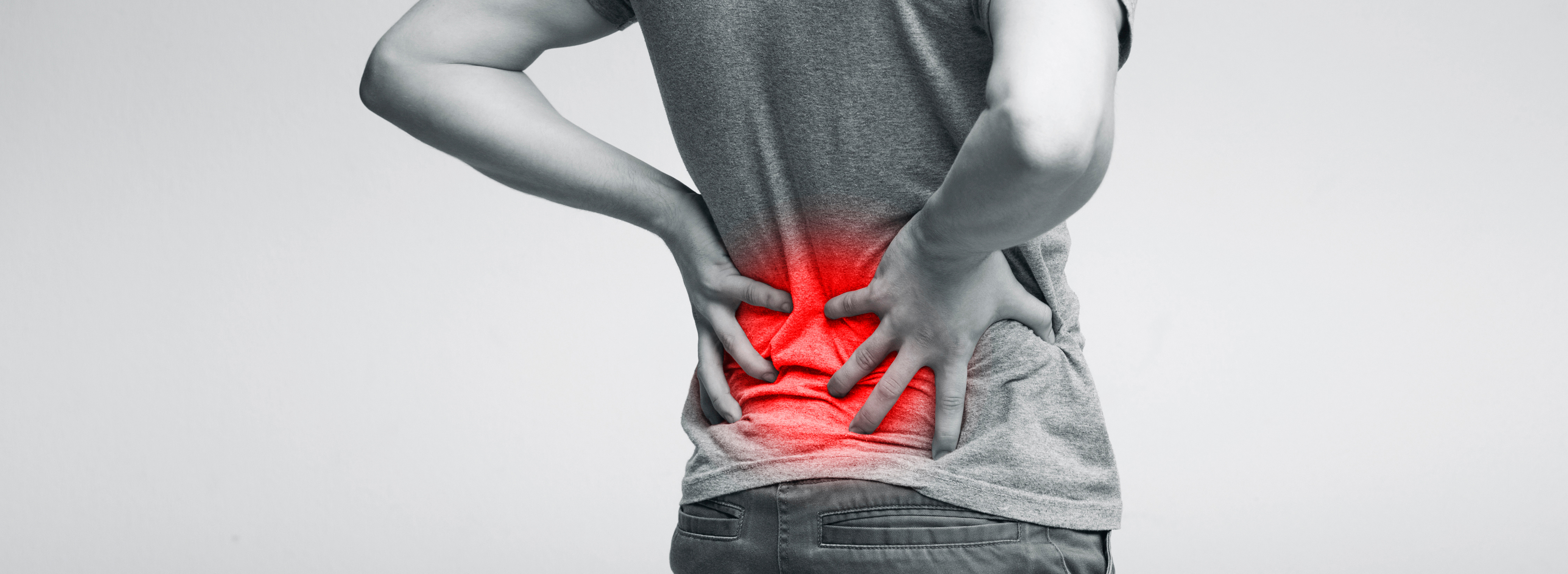
Pain that starts in the lower back and radiates down the back of the leg is what is commonly referred to as sciatica. The pain follows the path of the sciatic nerve down the leg which means that typically, only one side of the body is affected. The sensation that those with sciatica experience varies from one person to the next. While some people feel a sharp, shooting pain, others describe a dull pain. The pain that you experience from sciatica is caused by irritation, inflammation, pinching or compression of a nerve in the lower back.

Sciatica is a common complaint among Americans and according to Harvard Medical School, about 40% of people in the U.S have reported having sciatica sometime in their life. Sciatica can be caused by a plethora of spinal conditions, some of the most common are listed below:

  • A Herniated Disc. This is the most common cause of sciatica and occurs when the discs that are found between the vertebrae undergo trauma or damage and the gel-like center of the disc begins to herniate through the outer wall. The herniation causes irritation and inflammation of the sciatic nerve.
  • Degenerative Disc Disease. This is a condition where the discs found begin to thin and weaken over time which results in reduced space between the vertebrae. When the space is reduced, the sciatic nerve can become impinged.
  • Spinal Stenosis. This occurs when the spaces that surround the spinal cords begin to narrow. This abnormal narrowing can pinch the sciatic nerve roots as they leave the spine resulting in sciatica.
  • A spinal condition that affects the lumbar vertebrae, spondylolisthesis is a disease that causes a lower vertebra to slip forward over the vertebrae directly beneath it. The change in vertebral positioning can cause impingement or irritation of the sciatic nerve.
  • Facet Joint Arthritis. Lumbar osteoarthritis is degenerative arthritis in the low back that causes pain, stiffness and inflammation in the facet joints of the vertebrae. There are two facet joints on the back of each vertebra that connect the bones of the spine. Wear and tear on facet joints on the lower spine cause the cartilage between the joints to break down and causes inflammation and sciatica.

Ultimately, when you have sciatica the goal is to decrease your discomfort and increase your mobility by reducing pressure on the sciatic nerve. In most cases, time and treatment are successful in resolving sciatica pain. According to Mayo Clinic, about 90 to 95% of the time, sciatica cases will be resolved with time and non-surgical treatments. However, if your symptoms persist despite all efforts, surgery might be considered. Oftentimes, surgery is considered for those whose leg pain or weakness is persistent after methods of non-surgical options are unsuccessful. Your physician will ultimately tell you the best solution for your specific needs.

  • Physical Therapy. Physical Therapy can be an excellent option to treat sciatica because it involves stretching that improves your flexibility and strengthens the muscles of your core and lower back. In addition to going to see a Physical Therapist, staying active can also ease your sciatica symptoms.
  • Corticosteroid Injections. This treatment option delivers medication directly to the sciatic nerve via an injection. Corticosteroid injections are often a temporary solution that can provide weeks or months of pain relief.
  • This is a common minimally invasive surgical procedure when sciatica is caused by a large disc herniation. In a microdiscectomy, the surgeon removes the small part of disc material that is compressing the sciatic nerve.

If you find yourself experiencing sciatica symptoms, it is important to stay as active as possible and try to introduce some conservative methods of pain relief. Sometimes, conservative options don’t give you immediate relief, especially if your pain is caused by an irritation of the sciatic nerve. This is when it is best to allow your physician to offer you more aggressive methods of pain relief for your sciatica.

Causes & Treatment Options for Sciatica

Pain that starts in the lower back and radiates down the back of the leg is what is commonly referred to as sciatica. The pain follows the path of the sciatic nerve down the leg which means that typically, only one side of the body is affected. The sensation that those with sciatica experience varies from one person to the next. While some people feel a sharp, shooting pain, others describe a dull pain. The pain that you experience from sciatica is caused by irritation, inflammation, pinching or compression of a nerve in the lower back.

Sciatica is a common complaint among Americans and according to Harvard Medical School, about 40% of people in the U.S have reported having sciatica sometime in their life. Sciatica can be caused by a plethora of spinal conditions, some of the most common are listed below:

  • A Herniated Disc. This is the most common cause of sciatica and occurs when the discs that are found between the vertebrae undergo trauma or damage and the gel-like center of the disc begins to herniate through the outer wall. The herniation causes irritation and inflammation of the sciatic nerve.
  • Degenerative Disc Disease. This is a condition where the discs found begin to thin and weaken over time which results in reduced space between the vertebrae. When the space is reduced, the sciatic nerve can become impinged.
  • Spinal Stenosis. This occurs when the spaces that surround the spinal cords begin to narrow. This abnormal narrowing can pinch the sciatic nerve roots as they leave the spine resulting in sciatica.
  • A spinal condition that affects the lumbar vertebrae, spondylolisthesis is a disease that causes a lower vertebra to slip forward over the vertebrae directly beneath it. The change in vertebral positioning can cause impingement or irritation of the sciatic nerve.
  • Facet Joint Arthritis. Lumbar osteoarthritis is degenerative arthritis in the low back that causes pain, stiffness and inflammation in the facet joints of the vertebrae. There are two facet joints on the back of each vertebra that connect the bones of the spine. Wear and tear on facet joints on the lower spine cause the cartilage between the joints to break down and causes inflammation and sciatica.

Ultimately, when you have sciatica the goal is to decrease your discomfort and increase your mobility by reducing pressure on the sciatic nerve. In most cases, time and treatment are successful in resolving sciatica pain. According to Mayo Clinic, about 90 to 95% of the time, sciatica cases will be resolved with time and non-surgical treatments. However, if your symptoms persist despite all efforts, surgery might be considered. Oftentimes, surgery is considered for those whose leg pain or weakness is persistent after methods of non-surgical options are unsuccessful. Your physician will ultimately tell you the best solution for your specific needs.

  • Physical Therapy. Physical Therapy can be an excellent option to treat sciatica because it involves stretching that improves your flexibility and strengthens the muscles of your core and lower back. In addition to going to see a Physical Therapist, staying active can also ease your sciatica symptoms.
  • Corticosteroid Injections. This treatment option delivers medication directly to the sciatic nerve via an injection. Corticosteroid injections are often a temporary solution that can provide weeks or months of pain relief.
  • This is a common minimally invasive surgical procedure when sciatica is caused by a large disc herniation. In a microdiscectomy, the surgeon removes the small part of disc material that is compressing the sciatic nerve.

If you find yourself experiencing sciatica symptoms, it is important to stay as active as possible and try to introduce some conservative methods of pain relief. Sometimes, conservative options don’t give you immediate relief, especially if your pain is caused by an irritation of the sciatic nerve. This is when it is best to allow your physician to offer you more aggressive methods of pain relief for your sciatica.
Non-Surgical Treatment Options for a Herniated Disc

The spine consists of 26 bones called vertebrae and between them are cushion-like pads called “intervertebral discs”. The discs serve as shock absorbers for the vertebrae and help provide stability to the spine. When one of these intervertebral discs loses its normal shape or consistency and begins to bulge into the spinal canal, it is referred to as a bulging disc. Over time, the gel-like material that is found inside of the disc can rupture and come in contact with the spinal canal or spinal nerves and cause pain and weakness. This is what is commonly known as a herniated disc.

The two most common ways that a disc can become herniated is the natural degeneration of the disc or through trauma. Sometimes, a herniated disc goes unnoticed as it can cause few to no symptoms. Other times, patients will not have symptoms in their neck or lower back but rather in their shoulders, hands, legs or feet, which will lead them to seek treatment related to the extremities. Finding yourself with a herniated disc does not mean you have to have a surgical procedure. For those with a herniated disc in the neck or lower back, there are several non-surgical options available.

Medication

When it comes to relieving mild to moderate pain, several different medications can help. There are also a variety of medications that a physician can prescribe to you that are stronger such as muscle relaxants or steroids. Remember, over-the-counter medications only mask the pain from your herniated discs, so it is important to consult with your physician to fully relieve your discomfort. You should also read the medication label and speak with a pharmacist to determine if it is safe to take anti-inflammatories.

Injections

If there is little to no improvement from oral medications, a physician might recommend cortisone injections as an alternative solution. A Corticosteroid injection can reduce inflammation around an irritated nerve, but it will not reduce the actual size of the herniated disc. The injected medications may include steroids, local anesthetics or saline. The goal of an injection is to numb the irritated nerves which will ultimately relieve the pain symptoms. Injections go straight to the area of injury to deliver the pain-reducing medication to your spine.

Physical Therapy

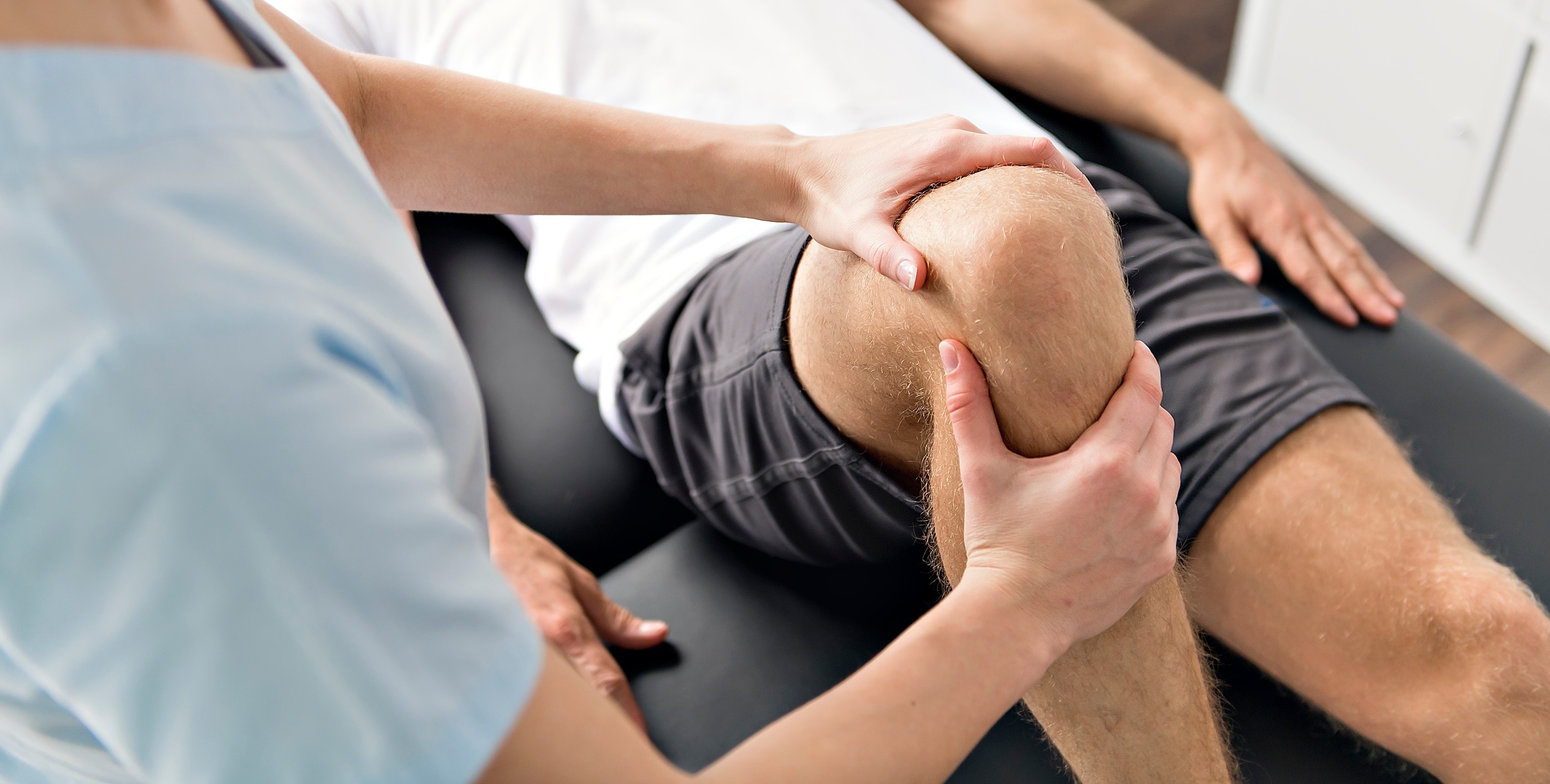
Physical therapy may be able to combat some of the painful symptoms associated with a herniated disc. With this injury, a Physical Therapist will utilize exercises that attempt to relieve pressure on the compressed nerves. Another target exercise is core stabilization which in turn helps with spine stabilization. Other practices such as stretching and manual work also might be used to benefit your flexibility. When working with a physician on your herniated disc, your physical therapist will work in conjunction with them to give you the most successful recovery.

When you have a herniated disc, you will want to control your pain management to the best of your ability. If you are experiencing back pain or discomfort, Dr. Ron A. Patel at Southeast Orthopedic Specialists is dedicated to finding the right solution for you.  Schedule your appointment online today!

What’s Causing the Pain in My Knee?

Knee pain shows no preference in a person’s age or who it affects. People of all age ranges can experience mild to severe discomfort in their knees and it is the most common orthopedic complaint that patients bring to their doctors.  The real question is, why is this pain happening?

Discomfort in the knees can come from a variety of injuries or even an underlying medical condition.  Depending on the type of injury that you have sustained, the symptoms and signs that you notice may vary.  We have listed some of the most common symptoms that those with a knee injury might have:

  • Swelling and stiffness
  • Redness or warmth to the touch
  • Weakness or the feeling of instability
  • Popping or crunching noises
  • Struggle to fully straighten your leg

Being active is a part of human nature and is essential to leading a fulfilling life, but injuries happen and often they affect the knees. The most common causes of knee pain are related to aging, injury or repeated stress on the knee. This means that athletes are often more susceptible to experiencing knee pain due to the increased demand on the joint due to running, jumping or quick pivoting. Daily activities such as walking, bending and lifting can also cause general wear and tear to the joints. Some common knee problems include the following:

  • An ACL Injury. The anterior cruciate ligament (ACL) is a ligament in the knee that connects the femur to the tibia. A tear in this ligament is most often seen in those who play sports that require sudden changes in direction such as basketball and soccer.
  • This is the most common type of arthritis seen in the knee. Osteoarthritis is a degenerative process where the cartilage in the joint gradually wears away. Middle-aged and older people are most affected by this problem. Joints that are affected by osteoarthritis may ache or swell while you’re active or be stiff early in the day.
  • Sprained or Strained Knee Ligaments. This is normally caused by a blow to the knee or a sudden twist involving the knee. Symptoms of a sprained or strained knee ligament can include pain, swelling, or difficulty when walking.
  • Torn Meniscus. Sometimes, a knee injury can cause the cartilage within the knee (the meniscus) to tear. The edges of those tears can get stuck in the joint and result in pain, stiffness and swelling. When your meniscus is torn, a common indicator is a “catching” sensation in the joint while you are active.
  • Knee Bursitis. Bursa are small liquid-filled sacs found in between bones and soft tissues that help to reduce frictions. Overuse, falls, or repeated bending and kneeling can irritate the bursa that is on top of your kneecap. This pain and swelling are known as Bursitis.
  • Patellar Tendinitis. When there is an inflammation in the tendon that connects the kneecap to the shin bone, you have patellar tendinitis. When you overdo an exercise, the tendons can become inflamed and sore. This is seen most in athletes, such as basketball players, whose force of hitting the ground after a jump strains their tendon.

Implementing some preventative measures such as giving yourself extra time to warm up and cool down between your exercise can save you from painful injuries.  However, knee pain can sometimes be unpredictable and unpreventable. If you are experiencing knee pain or discomfort, Dr. Sina Kasraeian at Southeast Orthopedic Specialists is dedicated to finding the right solution for you.  Schedule your appointment online today!

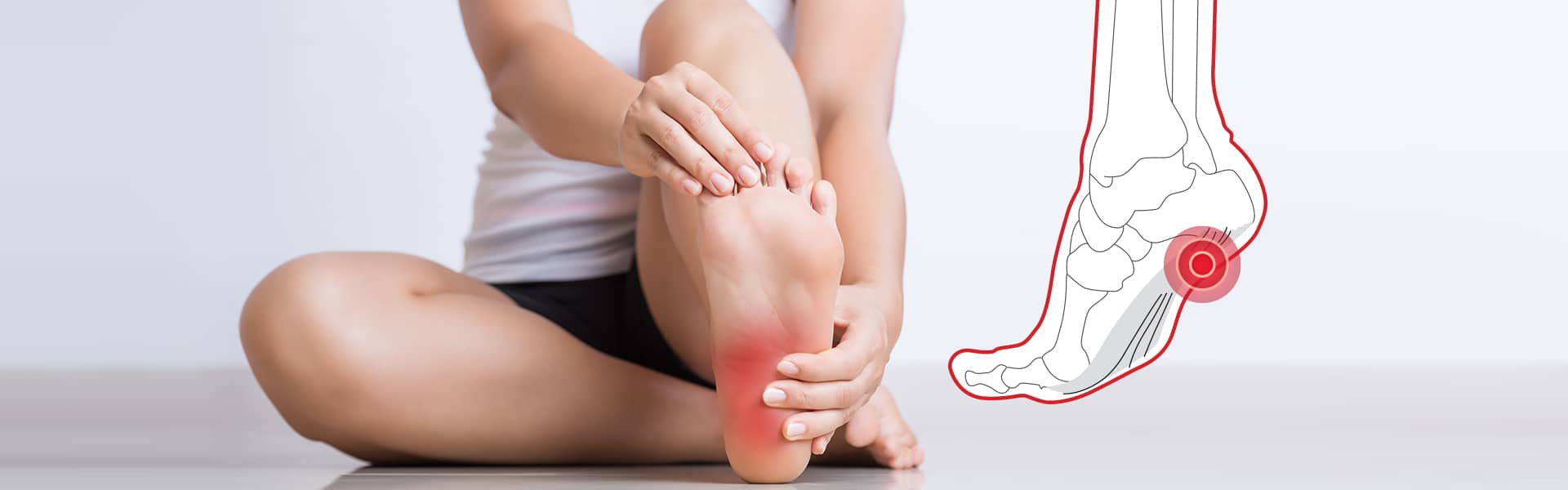
Everything You Need to Know About Plantar Fasciitis

Plantar fasciitis is the most common diagnosis for those experiencing heel pain, with almost 2 million people seeking treatment for this condition each year according to the American Academy of Orthopaedic Surgeons. It involves inflammation of a thick band of tissue that runs through the bottom of the foot and connects the heel bone to the toes. A stabbing pain is usually the most defining symptom for those that have plantar fasciitis.

What are the Symptoms of Plantar Fasciitis?

Those who experience plantar fasciitis complain of a stabbing pain in the bottom of their foot near the heel. Typically, the pain is most noticeable when the first steps are taken when you first wake up.

  • Pain on the bottom of the foot, specifically near the heel
  • Pain in your first steps of the day, after long rest periods or long-standing periods
  • Significant pain after spending a long time on your feet

What is the Cause Behind Plantar Fasciitis?

At the bottom of the foot runs a long, thin ligament called the plantar fascia. It is meant to absorb the high stress and strains that are placed on the feet. However, if there is too much pressure, tissues can be torn. Irritation and inflammation are the responses to the repeated stretching and tearing of the facia which then causes heel pain.

Who is at Higher Risk for Plantar Fasciitis?

  • Those with flat feet or high arches
  • People who have tight Achilles tendons
  • Those who wear high-heeled shoes often
  • Anyone who spends multiple hours on their feet in a day
  • Typically, 40 to 60-year-olds

Ways to Treat Plantar Fasciitis

Even though there are no clinically proven ways to cure plantar fasciitis, there are a plethora of ways to curb your discomfort.

  • Pain Relievers: to relieve the inflammation and pain associated with plantar fasciitis, pain relievers such as ibuprofen and naproxen sodium can be taken
  • Conservative Treatment: most people with plantar fasciitis typically recover with conservative methods such as icing the area, stretching and modifying any activities that cause discomfort
  • Physical Therapy: By working with a Physical Therapist, you can stretch the plantar fascia and Achilles Tendon. Another technique that a Physical Therapist might use to ease plantar fasciitis pain is athletic taping. This gives support to the bottom of the foot and has been proven very effective.
  • Night Splints: a night splint keeps the ankle in a neutral position while you are sleeping which promotes stretching the lower leg muscles and plantar fascia
  • Injections: If conservative methods are unsuccessful, a doctor can inject anti-inflammatory agents into the tender area. This doesn’t heal your heel, but it does mask the pain. Platelet-rich plasma can also be injected utilizing your own blood. This injection promotes tissue healing to the afflicted area.

If you are experiencing heel or foot pain or discomfort, Dr. Jorge Acevedo at Southeast Orthopedic Specialists is dedicated to finding the right solution for you.  Schedule your appointment online today!

What is a Torn Rotator Cuff Injury?

To understand what a rotator cuff injury is, you must first understand the rotator cuff itself. The rotator cuff comprises four muscles and tendons that help stabilize the shoulder while also helping to move the arm. It is a crucial component in being able to lift your arm and reach upward. The rotator cuff is a commonly injured area, with most of the injuries being related to strains, tears or tendinitis.

What causes an injury to the rotator cuff?

The shoulder is one of the most complex joints in the body and is susceptible to everyday wear and tear. A rotator cuff tear is a common injury within the shoulder. The two main causes of a rotator cuff tear are injury and degeneration. Injuries that seem as harmless as falling on an outstretched hand can cause enough damage to tear the tendon. Degenerative tears are the result of the tendon being worn down over time.

What are the symptoms of a rotator cuff injury?

Tears from an injury usually result in immense sudden pain while those that are degenerative recognize a slower onset of pain. We have gathered some of the most common symptoms of an injury to the rotator cuff. It is important to be mindful that a rotator cuff injury can resemble other injuries so a physician can provide you with the most accurate diagnosis.

  • Recurring pain, especially with certain activities or movements
  • Pain while at rest and at night
  • Limited mobility of the arm
  • Weakness when lifting or rotating your arm

Who is at risk for rotator cuff injuries?

Given that rotator cuff injuries are commonly caused by degenerative reasons, they are seen frequently in people over 40 years old. Those who do repetitive lifting or overhead activities are also at risk of injuring their rotator cuff. Athletes, such as tennis players and baseball pitchers, are prime examples given the repetitive movements they perform.

How is a rotator cuff injury diagnosed?

A rotator cuff can be partially or fully torn which can be determined more accurately through an MRI. Ultimately, your physician will determine the best treatment for your specific rotator cuff injury.

How is a rotator cuff injury treated?

Depending on the severity of your injury, it can be treated conservatively with:

  • Limiting overhead activities and allowing your body to rest is the first step in allowing your rotator cuff the chance to heal.
  • Anti-inflammatories – such as ibuprofen or aspirin can be taken to reduce your pain and swelling.
  • Physical Therapy – A Physical Therapist will explore exercises that restore movement and strengthen the shoulder. Improving your flexibility and range of motion are of utmost importance when working with a torn rotator cuff. As the muscles supporting the shoulder are strengthened, your discomfort will subside.
  • Corticosteroid Injections – If your daily activities or sleep are difficult, a steroid injection into the shoulder joint can be beneficial. Cortisone is a very effective anti-inflammatory but is a temporary solution to reducing your shoulder pain. Typically, other methods of pain relief are tried prior to a steroid injection.
  • Rotator Cuff Repair – If non-surgical methods are not effective, your physician might recommend a surgical procedure to repair the torn rotator cuff. During the procedure, the tendon that has been torn is re-attached to the head of the humerus. There are a few options when it comes to repairing rotator cuff injuries and your physician will discuss with you which is best for you.

If you are experiencing discomfort in your shoulder, Dr. Aaron Bates at Southeast Orthopedic Specialists is dedicated to finding the right solution for you.  Schedule your appointment online today!

Signs & Symptoms of Carpal Tunnel Syndrome

3 million Americans are diagnosed with carpal tunnel syndrome each year making it a very common medical condition. It all begins with the notorious tingling sensation in the hand. Therefore, seeking medical advice from an orthopedic specialist sooner rather than later is crucial.

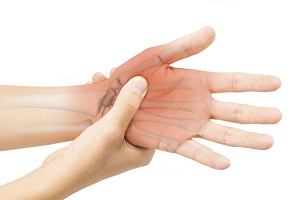
Carpal Tunnel Basics. The carpal tunnel is located on the palm side of the hand and provides passage for the median nerve. The median nerve travels down the arm and into the hand and controls the feeling and movement of the thumb and fingers. Along with the median nerve, nine flexor tendons run through the carpal tunnel to assist the fingers in bending.

What Causes Carpal Tunnel Syndrome? For the flexor tendons to move freely, the carpal tunnel surrounds them in a sleeve to act as a lubricant to the tissues. When the sleeve swells within the carpal tunnel, it puts pressure on the median nerve. The result of this pressure is why people with carpal tunnel syndrome experience numbness and tingling in the beginning phases.

Symptoms.

  • Tingling and numbness throughout the finger and hand are the strongest indicators of carpal tunnel syndrome. The pinky finger is not affected since the median nerve does not run through that finger. Usually, the thumb and index, middle or ring finger are symptomatic. The symptoms do not resolve themselves on their own. Without intervention, this numbness can travel up the arm and cause discomfort while driving or using your phone.
  • Muscle weakness is another sign of carpal tunnel syndrome. Some people start to notice themselves dropping things because of the weakness in their hand and fingers. All of this goes back to the median nerve being disturbed within the carpal tunnel which ultimately affects the mobility of the fingers.

Solutions. Implementing an ergonomic workstation is the best strategy to prevent carpal tunnel. There are also ways to reduce stress on your hands and wrists. Surgery may be appropriate if your pain is severe and conservative methods aren’t working.

  • Reduce your force and relax your grip
  • Take short, frequent breaks
  • Wrist splints
  • Corticosteroids
  • Endoscopic surgery: the surgeon uses a telescope-like device with a camera that allows them to see inside the carpal tunnel. They are then able to cut the ligament through small incisions in the hand or wrist.
  • Open surgery: The surgeon cuts the ligament to free the nerve through an incision in the palm.

If your hands, wrists or fingers are bothering you, Dr. Guilherme Giusti at Southeast Orthopedic Specialists is dedicated to finding the right solution for you.  Schedule your appointment online today!

Orthopaedic Associates of St. Augustine Announces New Name and Expansion Throughout Northeast Florida

St. Augustine, FL (February 15, 2022) – Orthopaedic Associates of St. Augustine has announced that they will begin operating under the Southeast Orthopedic Specialists’ name as of April 1, 2022.  This change comes after Orthopaedic Associates of St. Augustine and Jacksonville-based Southeast Orthopedic Specialists partnered in October of 2021 under the HOPCo (Healthcare Outcomes Performance Company) platform.  The newly expanded multi-specialty musculoskeletal care practice includes more than 100 specialists serving patients throughout northeast Florida and southeast Georgia.  The practice provides care in 8 locations throughout the region and will be developing additional offices in Duval, St. Johns, Flagler and Clay counties.

The entire provider team, including Dr. Albert Volk, Dr. Kurtis Hort, Dr. Sina Kasraeian, Dr. Paul Rotteges, Dr. Alexander Lampley, and Dr. Casey McClone, will continue to see all current patients and new patients in their offices in St. Augustine, North St. Johns, Fleming Island, Ponte Vedra and Jacksonville.

“We are eager to take the next step in a partnership that will truly transform the delivery of musculoskeletal care in our region,” said Dr. Volk.  “Now that we have become fully integrated under the HOPCo platform, we can expand our current service offerings and provide better access to more patients through our merger with Southeast Orthopedic Specialists.”

The newly merged practices will utilize HOPCo’s proven platform to develop sustainable partnerships with other musculoskeletal practices, health systems and payors to improve the quality and reduce the cost of musculoskeletal care, all while providing a better experience and outcomes for patients.

“Orthopaedic Associates of St. Augustine has made an incredible impact on their community over the past two decades and we are excited that we will now be working together as part of Southeast Orthopedic Specialists,” said Gavan Duffy, MD, President of Southeast Orthopedic Specialists.  “With the addition of their team, Southeast Orthopedic Specialists is now one of the largest musculoskeletal care platforms in North Florida and is positioned to continue providing the highest quality care for decades to come.”


About Southeast Orthopedic Specialists

Southeast Orthopedic Specialists is a regional leader in musculoskeletal care providing expertise in the entire spectrum of orthopedic care provided to patients, including orthopedic surgery, sports medicine, spine care, physiatry, pain management, chiropractic, podiatry and physical therapy.  Physicians at Southeast Orthopedic Specialists are leaders in their field with decades of experience, including the completion of multiple fellowships and groundbreaking research.  Visit www.se-ortho.com to learn more.

 About Orthopaedic Associates of St. Augustine

Orthopaedic Associates of St. Augustine has provided the highest quality, patient-centered orthopedic care and sports medicine in St. Johns County and surrounding areas for over twenty years.  All physicians are fellowship-trained in their field of expertise.  The team of medical professionals offers comprehensive surgical and non-surgical musculoskeletal care, physical therapy and imaging in St. Augustine and  North St. Johns.  Visit www.oastaug.com to learn more.

About Healthcare Outcomes Performance Company

Healthcare Outcomes Performance Company (HOPCo) is the national leader of integrated musculoskeletal value-based health outcomes management, practice management and health system service line management.  This includes comprehensive expertise across all MSK specialties, including orthopedics, spine, hand, pain management, rehabilitation and neurology.  HOPCo’s integrated care, analytics and facilities development platform has proven to increase the quality of patient care while reliably reducing the total cost of care across the care continuum for practices, health systems and payors alike.  HOPCo’s affiliated payors, practices and health systems successfully participate in highly efficient value-based contracting (bundled payments, population health programs, and other advanced risk-based arrangements) utilizing HOPCo’s proprietary platforms, IT solutions, integrated analytics, and standardized care pathways.  Visit www.hopco.com to learn more.

###

For media inquiries, please contact:

Daniel Goldberg
Sr. Director of Marketing, Branding and Communications
Healthcare Outcomes Performance Company (HOPCo)
623.241.8649
Daniel.Goldberg@hopco.com

Orthopaedic Associates of St. Augustine Partners with Southeast Orthopedic Specialists and HOPCo to Create the Largest Integrated Musculoskeletal Care Network in Northeast Florida

St. Augustine, FL (October 29, 2021) – Orthopaedic Associates of St. Augustine (OASA), a leading musculoskeletal practice in St. Augustine, has announced a partnership with Southeast Orthopedic Specialists (SOS), a leading provider of comprehensive orthopedic and musculoskeletal care throughout Northeast Florida. The partnership creates a multi-specialty musculoskeletal care platform with more than 100 providers serving patients throughout northeast Florida and southeast Georgia.

Through this partnership, OASA will become part of the HOPCo (Healthcare Outcomes Performance Company) integrated care network and, in partnership with SOS, will utilize HOPCo’s proven platform to develop sustainable partnerships with health systems, payors and other musculoskeletal practices to improve the quality and reduce the cost of musculoskeletal care, all while providing a better experience for patients. The integrated care platform includes HOPCo’s uniquely integrated clinical quality infrastructure, proprietary IT tools and analytics, facilities management programs and established value-based care programs. In the coming months, OASA will transition to the Southeast Orthopedic Specialists brand and going forward, the practices will operate under one consolidated care platform.   OASA will continue its commitment to patients by maintaining its strong physical presence throughout St. Augustine and North St. Johns County.

Orthopaedic Associates of St. Augustine has been providing the highest quality of musculoskeletal care throughout St. Johns County and surrounding counties, with locations in St. Augustine and North St. Johns County. “We have seen considerable success in our practice over the last two decades,” said Dr. Albert Volk, President and Founding Partner of Orthopaedic Associates of St. Augustine. “At the same time, we know the best way for us to continue successful growth and to help lead value-based care efforts is through alignment with organizations with a dedicated growth infrastructure and proven track record like HOPCo and SOS.”

“We are excited for this new partnership as it will allow our combined efforts to spearhead the ongoing growth and delivery of advanced musculoskeletal value-based care programs across the region, resulting in better care for patients,” said Dr. Brett Puckett, President of Southeast Orthopedic Specialists.

HOPCo, the national leader in musculoskeletal value-based health outcomes management, musculoskeletal service line and practice management, has grown significantly in Northern Florida in the last few years. First partnering with Southeast Orthopedic Specialists in 2019 and then in 2020, partnering with the Ascension Florida Heath System for a musculoskeletal service line transformation program, which included creating the region’s first orthopedic specialty hospital in Jacksonville. This growth represents HOPCo’s ongoing mission to implement value-based care programs for musculoskeletal practices and health systems across Florida, driving high-quality and accountable care while reducing costs.

“Florida will continue to be an area of robust growth for us in the coming months,” said Dr. Wael Barsoum, President and Chief Transformation Officer of HOPCo. “We are thrilled that the Orthopaedic Associates of St. Augustine physicians are joining our regional platform as they recognize that stakeholder alignment is driving improved quality and value for patients and enhancing musculoskeletal care delivery in Florida.”


About Orthopaedic Associates of St. Augustine

Orthopaedic Associates of St. Augustine has been providing the highest quality, patient-centered orthopedic care and sports medicine in St. Johns County and surrounding areas for over twenty years and will continue to serve the St. Augustine community. All of OASA’s physicians are fellowship trained in their field of expertise. OASA’s team of medical professionals offer comprehensive surgical and non-surgical musculoskeletal care, physical therapy and imaging for Duval, St. Johns, Flagler and Putnam counties. Visit www.oastaug.com to learn more.

About Southeast Orthopedic Specialists

Southeast Orthopedic Specialists is a regional leader in musculoskeletal care providing expertise in the entire spectrum of orthopedic care provided to patients, including orthopedic surgery, spine care, physiatry, pain management, chiropractic, podiatry and physical therapy. Physicians at Southeast Orthopedic Specialists are leaders in their field with decades of experience, including the completion of multiple fellowships and groundbreaking research. Visit www.se-ortho.com to learn more.

About Healthcare Outcomes Performance Company

Healthcare Outcomes Performance Company (HOPCo) is the national leader of integrated musculoskeletal value-based health outcomes management, practice management and health system service line management. This includes comprehensive expertise across all MSK specialties, including orthopedics, spine, hand, pain management, rehabilitation and neurology. HOPCo’s integrated care, analytics and facilities development platform has proven to increase the quality of patient care while reliably reducing the total cost of care across the care continuum for practices, health systems and payors alike. HOPCo’s affiliated payors, practices and health systems successfully participate in highly efficient value-based contracting (bundled payments, population health programs, and other advanced risk-based arrangements) utilizing HOPCo’s proprietary platforms, IT solutions, integrated analytics, and standardized care pathways. Visit www.hopco.com to learn more.

Southeast Orthopedic Specialists Adds Internationally Trained Hand Surgeon to Jacksonville Team

Dr. Guilherme Giusti, an orthopedic hand surgery specialist in Florida.
Dr. Giusti attended medical school at Escola Paulista de Medicina in São Paulo, Brazil. During his time in Brazil, he continued his training and completed both his orthopedic surgery residency and hand surgery fellowship.
Hand Surgeon Dr. Giusti, Board Certified Orthopedic Surgery Specialist

Jacksonville, FL  (November 8, 2021) –  Southeast Orthopedic Specialists, the regional leader in orthopedic and spine care, has announced the addition of Dr. Guilherme Giusti to its team.  Dr. Giusti is a Board Certified and Fellowship Trained Orthopedic Hand Surgeon.

Dr. Giusti attended medical school at Escola Paulista de Medicina in São Paulo, Brazil. During his time in Brazil, he continued his training and completed both his orthopedic surgery residency and hand surgery fellowship. Dr. Giusti then relocated to the US and completed a microvascular research fellowship at Mayo Clinic in Rochester, MN, and an orthopedic surgery residency at the University of Illinois in Chicago, IL. Dr. Giusti then finished his extensive training with a hand surgery fellowship at Mayo Clinic in Rochester, MN.

“We are always looking to add the best and brightest physicians to our team,” said Donnie Romine, CEO of Southeast Orthopedic Specialists.  “Dr. Giusti’s extensive subspecialty training, both in Brazil and in the US, will make him a welcomed addition to our practice and our community.”

This now brings the total number of physicians at Southeast Orthopedic Specialists to 29.  Earlier this month, they announced a partnership with Orthopaedic Associates of St. Augustine, which will facilitate the expansion of the Southeast Orthopedic Specialists’ footprint into St. Johns and Flagler county in early 2022.

About Southeast Orthopedic Specialists

Established in 2001, Southeast Orthopedic Specialists is a regional leader in musculoskeletal care. Southeast Orthopedic Specialists was founded on the principle of providing high-quality, comprehensive care in the North Florida region. The entire spectrum of orthopedic care is provided to patients, including orthopedic surgery, spine care, physiatry, pain management, chiropractic, podiatry and physical therapy. Physicians at Southeast Orthopedic Specialists are leading experts in their field with decades of experience, including the completion of multiple fellowships and groundbreaking research. Visit www.se-ortho.com to learn more.

Lumbar Discectomy vs. Fusion: Which Surgery is Right for Me?

Lumbar Discectomy vs. Fusion: Which Surgery is Right for Me?

By Frederick M. Moore, MD

If you’re suffering from leg or lower back pain caused by a lumbar herniated disc, you’re probably on the hunt for ways to address your discomfort and get back to living a comfortable, pain-free life. After you’ve exhausted your nonsurgical options, it may be the right time to consider spine surgery if the painful symptoms of a herniated disc are still present—but which surgical procedure is right for you?

We’ll break down lumbar discectomy and lumbar fusion to help you learn more about the different procedures and what they treat.

What is a lumbar discectomy?

Lumbar discectomy is a surgical procedure to relieve painful symptoms caused by a herniated disc in the spine, such as leg pain (sciatica), foot drop, muscle weakness, numbness or tingling in the legs, and decreased mobility. During a discectomy, a spine surgeon removes any free disc fragments that are putting pressure on your spinal nerves. This may be performed via a traditional midline incision, or with newer techniques that allow a smaller incision, which achieves decompression implementing fiberoptic technology.

There are different types of discectomy surgery, which can either be aggressive or limited with regard to removal of disc material depending on your spinal anatomy, the size of the hole(s) in your lumbar disc, and your overall health. During an aggressive discectomy, all free disc fragments—as well as any additional material located inside the disc—are removed. Limited discectomy takes a more conservative approach by removing free disc fragments without probing the inner core of the disc (nucleus pulposus) for additional material to remove.

What is a lumbar spinal fusion?

Lumbar spinal fusion is a surgical procedure that treats pain resulting from abnormal movement of the vertebrae, whether due to spinal deformities such as scoliosis, spinal weakness and instability, or a herniated disc.

During a lumbar fusion procedure, bones are permanently “fused” or essentially joined together to reduce motion in painful areas of the spine. In some cases, the entire disc is removed and replaced with bone-like material between the vertebrae, which ultimately takes the place of the natural disc that functioned as a stabilizer and shock absorber.

How do lumbar discectomy and spinal fusion differ?

While a lumbar spinal fusion can stabilize the spine and reduce pain from a herniated disc, lumbar discectomy is the most common surgical approach because it’s less invasive than a fusion, preserves movement, has a shorter recovery period, and is associated with fewer complications.

In fact, lumbar spinal fusion is rarely the first surgical intervention a patient will get for a lumbar disc herniation. It is typically performed further down the degenerative cascade, often after a patient has already had one or more discectomy procedures. Appropriately selected lumbar discectomy patients are more satisfiedwith their results, and see fewer complicationsthan spinal fusion patients.

Despite the success of the discectomy procedure, there is a significant reherniation risk for approximately 30% of patients, often resulting in repeat surgery. Recently, newer technology (Barricaid) has significantly reduced the risk of reherniation for this group of lumbar discectomy patients.

Which surgical procedure is right for me?

The best way to determine whether you’re a candidate for lumbar herniated disc surgery—not to mention which procedure is the best fit—is to consult with a spine surgeon for a diagnosis and treatment recommendation. During your appointment, your physician may recommend a magnetic resonance imaging (MRI) scan to identify the root cause of the pain you are experiencing if you haven’t already been diagnosed with a lumbar herniated disc.

When determining the best option for you, your surgeon will consider the size and location of your herniation, the severity and duration of your symptoms, and the result of any previous treatments. If you are considering surgical intervention, the Barricaid implant can reduce your chances of needing a second discectomy surgery—and potentially a fusion—down the road if you have large holes (6 mm or larger) in your disc.

Take Diego, for example. Diego is a dedicated athlete with a lifelong passion for running and mountain climbing. After Diego suffered from multiple injuries that resulted in a lumbar herniated disc, several surgeons recommended a spinal fusion.

Diego explored his alternatives and chose a limited discectomy with Barricaid, an innovative technology that would allow him to return to the active lifestyle he loves with a lower risk of additional surgeries and disability.

If you’re suffering from a lumbar herniated disc and considering surgery, Barricaid may improve and enhance your outcome. Consult with our team at Southeast Orthopedic Specialists to see if you are a candidate for one of these ground-breaking procedures.

Close
Close

Schedule an Appointment

Loading...
Get the Care You Need, When You Need It.

You now have the ability to schedule an appointment online any time with our orthopedic surgeons and specialists. Our intelligent system connects you to the right doctor in the right setting at the right time. Schedule your appointment online above!
*Providers will be recommended based on specialty and best availability. If you would prefer to schedule an appointment with a provider of your choice, please call us at 904-634-0640